

Macaws: Powerful Vocal Communicators of the Rainforest
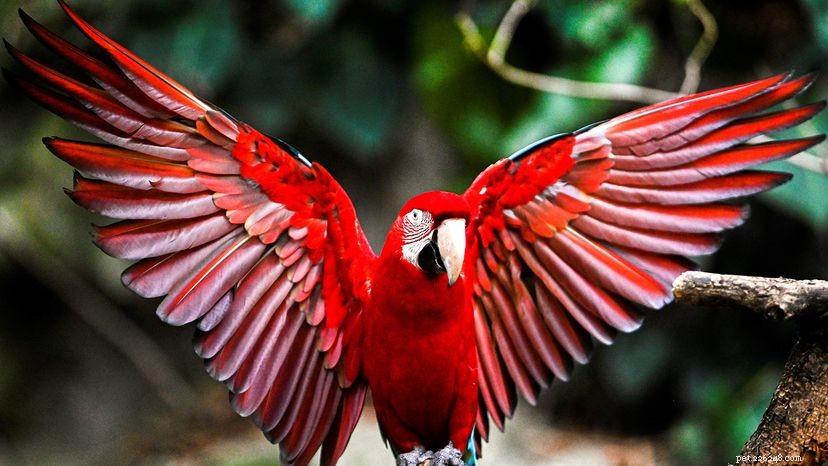 A macaw (Ara chloroptera) is photographed at the zoo in Cali, Colombia, on March 6, 2020. Colombia has the highest bird diversity in the world and is home to about 1,934 species, or one-fifth of all known bird species.
 Macaws are giants among birds, reaching up to 4 feet (1.2 meters) from beak to tail. These spectacularly colorful members of the parrot family, made up of 17 distinct species, are from the rainforest regions of Central and South America. They're intelligent, curious and talkative companions that have been domesticated for centuries.
"Macaws can make wonderful pets in the right household," says Gregory Rich, D.V.M., an avian and exotic pet veterinarian who has a 24-year-old blue and gold macaw, in an email interview. "Like many other pet birds, macaws are playful and seem to enjoy being trained to perform tricks like waving hello or using a skateboard." Here are six cool facts about macaws.
1. Macaws Can Talk (and Say Bad Words!)
In the wild, macaw couples will live in flocks of 10 to 30 birds, all of them calling, squawking and emitting the macaw "scream" throughout the forest. The variety of sounds are used to communicate within the flock or mark territorial claims. Individual birds even create unique songs so their mates will be able to identify them. Some macaw screams can be deafening when indoors, so the macaw isn't well suited for people who like peace and quiet at home.
Although macaws don't have a larynx like humans use to create speech, they do have a syrinx. The syrinx is at the bottom of its trachea and, when air is passed over the syrinx and through the throat and mouth where it is manipulated by the tongue, a macaw can learn to speak human words — and even sentences. There have even been domesticated macaws that learned to swear, and then taught those swear words to other macaws. In fact, in September 2020, a group of macaws was removed from the Lincolnshire Wildlife Park in England for swearing at patrons.
2. Macaws Mate for Life
Turns out, lovebirds haven't cornered the market on avian life partners after all. Macaws are undeniably romantic, typically selecting a mate for the entirety of their days. The life-long mate chosen by a macaw is a breeding partner, but macaws also will share their food — much like a couple who splits a meal at a restaurant.
Macaws also enjoy mutual grooming, and often ritualize the task by creating specific and personalized routines to follow. And, when it comes time to lay eggs, mother macaws incubate the eggs while father macaws hunt for food over a large area.
At home, macaws require room to roam, which translates into large cages with space to spread their wings. "Some knowledgeable owners dedicate a 'bird room' with tile flooring, with plenty of perch stands or rope perches that can be suspended from the ceiling for their macaws," Rich says.
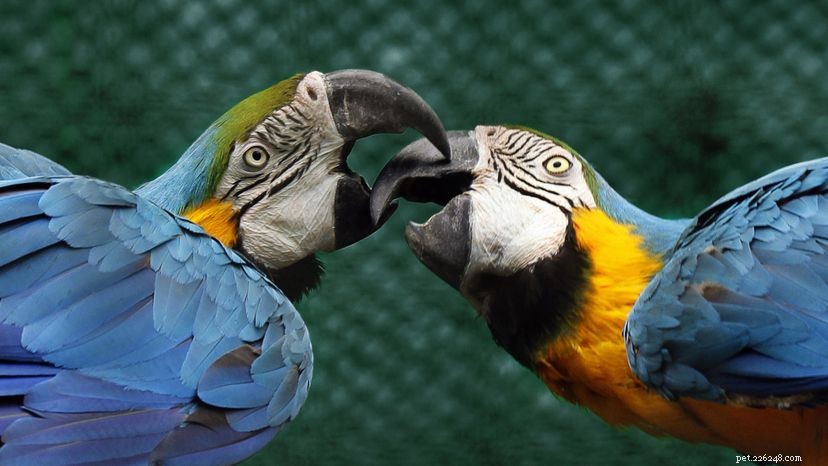 A macaw couple playing with each other at the Delhi Zoo in New Delhi, India.
5. Macaws' Eyes Change Color
When macaws hatch from their eggs, they have black eyes. As they reach about 5 months of age, their eyes will begin to lighten in color and this process will continue for up to two years. Ultimately, an adult macaw has a vivid yellow eye color with charcoal pupils. This color usually sticks throughout the macaw's 50- to 70-year lifespan, although there are accounts of variations.
Because macaws are more active during daylight hours, they have a flat and shallow eye construction to allow for maximum light input. The eyes are positioned on the side of the head, which allows macaws to see with each eye independently and have a 360-degree view of the world around them. And, while most birds cannot move their eyes within their eye sockets, macaws can, which only adds to their ability to see their environment without turning their heads.
6. Macaws Have Complex Emotional Lives
Like most people who share their home with a companion macaw, Dr. Rich has seen his macaw use facial and body language as well as vocalizations to communicate emotional moods.
"She delights visitors with a loud 'hello,'" says Rich, "and will blush when she is held by someone she has a fondness for."
Macaws, with the exception of hyacinth macaws, have the ability to "blush" their cheeks a pink-red hue, just like humans. This involuntary reaction is caused by increased blood flow to the veins and capillaries near the surface of their cheeks, and can be seen because of the absence of feathers on the bird's cheek areas. Macaws also fluff various areas of their feathers to communicate in social contexts.
"When asked to 'show angel wings,' she will raise up both wings straight up in the air as high as she can," he said, "It's always a beautiful sight to behold."
Now That's InterestingIn 2011, an aminated Spix's macaw named Blu starred in 20th Century Fox's movie, "Rio," and traveled thousands of miles to save his species. In 2018, the Spix's macaw, also known as the "little blue macaw" was declared officially extinct in nature. By 2021, dozens of the medium-size birds that have been bred in captivity will be reintroduced back into their native habitat in Brazil.
- Top Talking Bird Species You Can Train to Speak
- Dog Food Safety: Foods That Are Safe and Those That Are Harmful
- Are Apples Safe for Cats? Expert Answers & Feeding Guidelines
- Do Female Budgies Speak? Expert Guide to Budgie Communication
- How Dog Ownership Enhances Your Health and Well‑Being
- Do Rabbits Really Understand Words? Unlocking Voice & Language Training
- Can Dogs Detect Live and Dead Bed Bugs?