

Eagle vs. Hawk: How to Tell These Powerful Raptor Species Apart
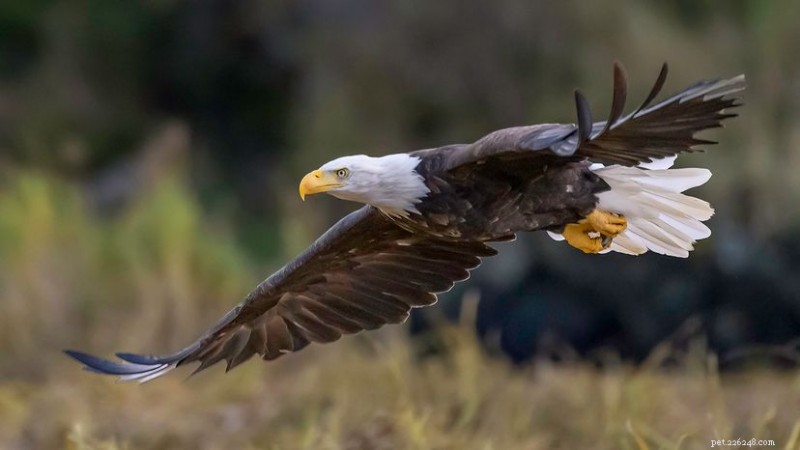
If you’ve ever spotted a soaring bird in the sky and wondered whether it’s an eagle or a hawk, you’re not alone. Both belong to the Accipitridae family, but their size, behavior, and hunting strategies differ in ways that can help even casual birdwatchers make a clear distinction.
What Eagles Look Like
Eagles are the heavyweight champions of the raptor world. They possess:
- Large wingspans that can exceed 7 ft (2.1 m) in species like the golden or harpy eagle.
- Massive feet and powerful talons designed to grip large prey.
- Strong, hooked beaks that can tear flesh.
- Bold plumage ranging from dark brown to the striking white of a bald eagle.
Examples of robust eagle species include the golden eagle, harpy eagle, giant forest eagle, and Philippine eagle.
What Hawks Look Like
Hawks tend to be more streamlined and agile. Typical traits are:
- Smaller bodies with wingspans from 2.5 ft to 4 ft (0.75–1.2 m).
- Compact, broad wings ideal for soaring over open fields.
- Sharper, more delicate claws suited for snatching smaller prey.
- Coloration that ranges from reddish-brown to gray, often with distinctive tail patterns.
Common hawk species include the red‑tailed hawk, ferruginous hawk, red‑shouldered hawk, and Cooper’s hawk. While most hawks are smaller than eagles, the ferruginous hawk can rival a small eagle in size.
Hunting Style & Diet
Eagles often target mammals and fish, using sheer strength to subdue larger animals. Specialized eagles, such as fish‑eagles and snake‑eagles, focus on aquatic prey or reptiles, respectively.
Hawks are versatile predators that can capture reptiles, birds, small mammals, and even insects. Their hunting relies on speed, precision, and the ability to execute rapid, low‑altitude dives.
Both groups rely on exceptional eyesight to spot prey from miles away.
Flight Behavior
Eagles glide in wide, thermally driven circles, often maintaining a flat wing posture for hours. This efficient soaring reduces energy expenditure.
Hawks, depending on species, tend to flap more actively and perform tighter turns, especially when navigating forested habitats. Their flight patterns are generally more varied and less predictable than an eagle’s extended glide.
Habitat & Range
Eagles occupy diverse environments: coastal marshes, inland forests, and mountainous highlands. They typically nest on cliff ledges, tall trees, or secluded ridges. The bald eagle, for example, is frequently seen near large bodies of water.
Hawks are often seen perching on telephone poles, fence posts, or tree limbs. Many species, such as the red‑tailed hawk, are common along roadways and open fields, making them familiar sights to residents across North America.
Nesting & Reproduction
Most eagles are monogamous, building large, durable nests that are reused for several years. Clutches usually contain two eggs, with a third being rare. The parents raise one or two chicks per breeding season.
Hawk nesting habits vary. Many species construct nests high in trees and fiercely defend their territory during the breeding season.
Key Identification Tips
- Flight patterns: Eagles glide with a calm, sweeping motion; hawks often flap and turn sharply.
- Size and wingspan: Eagles are noticeably larger and have broader wings.
- Plumage and coloration: Look for the distinct color schemes and tail markings characteristic of each species.
- Behavior and calls: Pay attention to hunting posture and vocalizations, which differ between the two groups.
Whether you’re admiring the majestic glide of a bald eagle over the Pacific or watching a red‑tailed hawk execute a high‑speed dive, both raptors play vital ecological roles and offer unforgettable moments of wildlife observation.
Content developed with AI assistance and subsequently fact‑checked and edited by a HowStuffWorks editor.
- Choosing the Right Dog: Top Breeds for Allergy Sufferers and Which to Avoid
- Treating Bacterial Cat Eye Infections: A Trusted Owner’s Guide
- Zignature Dog Food Review: Why It’s a Top Choice for Your Pet’s Health
- Chiweenie Dogs: Traits, Care, and Why They're Perfect for City Apartments
- How to Keep Cats Safe from Holiday Plant Hazards – A Cat Owner's Guide
- What Geckos Eat in the Wild—and How to Feed Your Pet
- Understanding Your Dog’s Physical Traits: Why They Matter