

Can You Own a Parrot in California? (Yes, Most Are Allowed)
If you live in California and are considering a parrot as a new companion, you’ll want to know whether it’s legal to keep one in the Golden State. This guide clarifies the regulations and explains why one species— the Quaker Parrot—remains prohibited.
Can I Get a Parrot in California?
Generally, California permits ownership of a wide variety of parrot species, including parakeets, cockatoos, macaws, and lovebirds. These birds can be kept as pets without legal restriction, provided you comply with local housing ordinances and animal‑safety guidelines.
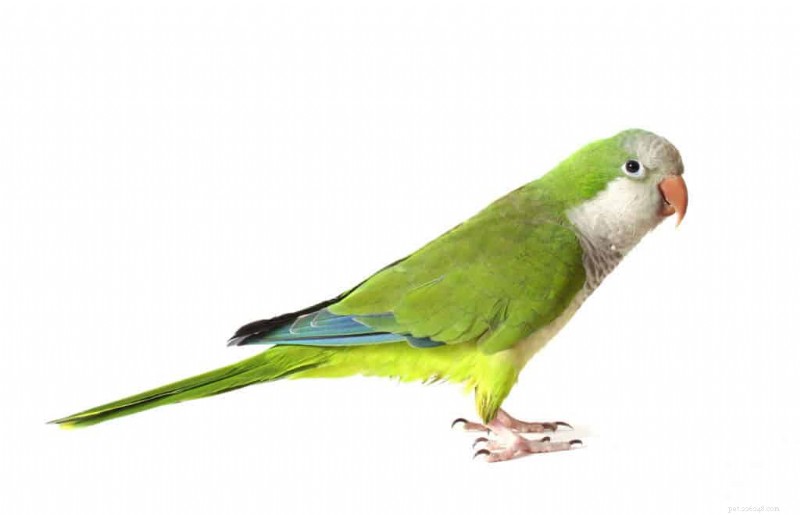
Exception: The Quaker Parrot (monk parakeet) is the only parrot species banned for possession or breeding in California. All other parrots are fully legal.
California’s ban on the Quaker Parrot is rooted in scientific evidence and environmental policy aimed at protecting agriculture, native wildlife, and public safety.
Why Are Quaker Parrots Illegal in California?
The Quaker Parrot is classified as an invasive species in several U.S. states, including California, Colorado, New York, and Hawaii. The reasons for this designation are detailed below.
Agricultural Impact
Quaker Parrots breed rapidly—up to 12 eggs per clutch and 5–6 clutches annually—producing as many as 68 chicks from a single pair each year. Their high reproductive rate allows flocks to grow quickly.
These flocks feed on grains, fruits, and other crops, often consuming significant portions of corn, grapes, and pears. Their foraging can erode yields, reduce farmers’ profits, and threaten food security.
Threat to Native Bird Species
Quaker Parrots are aggressive competitors for food and nesting sites. Their dominance can deprive local birds of essential resources, leading to reduced populations and compromised ecosystem health.
Public Safety and Infrastructure Concerns
Large communal nests can form on power lines, radio towers, and building rooftops. The added weight and construction of these nests can compromise structural integrity, resulting in collapses, tree or pole falls, and power outages. Florida alone recorded over 1,000 outages attributed to these birds, costing local governments nearly $5 million to remediate.
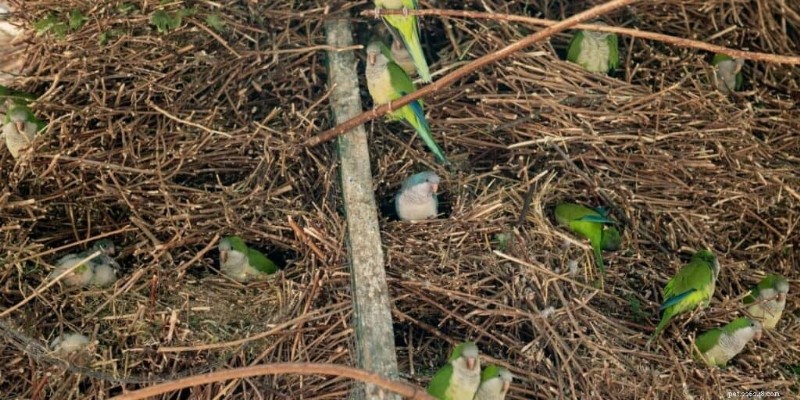 Large group of nesting Quaker Parrots
In addition to physical hazards, Quaker Parrots can produce significant noise pollution. A group of ten can be heard up to five blocks away, affecting residential tranquility.
They also carry diseases such as Newcastle Disease, Exotic Newcastle Disease, and psittacosis, posing risks to poultry farms and human health.
Final Thoughts
In short, California allows most parrot species as pets, with the sole exception of the Quaker Parrot due to its invasive nature and the substantial risks it poses. If you’re considering a feathered friend, choose a species that is both legal and well-suited to your living situation.
We hope this article provides clear guidance for prospective parrot owners in California. Good luck and enjoy your future companion!
- Why Treats Sabotage Dog Diets: Understanding the Hidden Pitfall
- Top 7 Friendly Pet Birds: Intelligent, Loving, and Family‑Friendly Choices
- Top 7 Pet Care Essentials for Dual‑Cat Homes
- Should You Feed Eggs to Your Parrot? Pros, Cons, and Feeding Guidelines
- Meet Tamago: The Charming White Ragdoll of the Week
- Understanding Beagle Cough: Causes, Symptoms, and When to Seek Veterinary Care
- Safer Alternatives to Proin for Treating Canine Urinary Incontinence