

Expert Guide to Raising and Caring for Baby Parrots (2024)
Whether you’re a seasoned breeder or have just welcomed a juvenile parrot into your home, understanding the essentials of baby‑parrot care is vital for their health and success.
In this concise yet comprehensive guide, we outline the best practices—drawing on the expertise of avian veterinarians and experienced breeders—to help you provide the optimal start in life for your young parrot.
Why You Might Be Raising a Parrot Chick
Parrot breeding can be physically and emotionally demanding for adult birds. The stress of incubation and brooding can lead to exhaustion or even mortality in both males and females. Experienced breeders mitigate these risks by promptly incubating, hatching, and transferring chicks to a brooder when any sign of distress appears.
Hand‑rearing skills—such as nurturing blind, hairless chicks—are essential because these young birds rely entirely on you until they can feed themselves. Consistency and dedication are key to preventing loss.
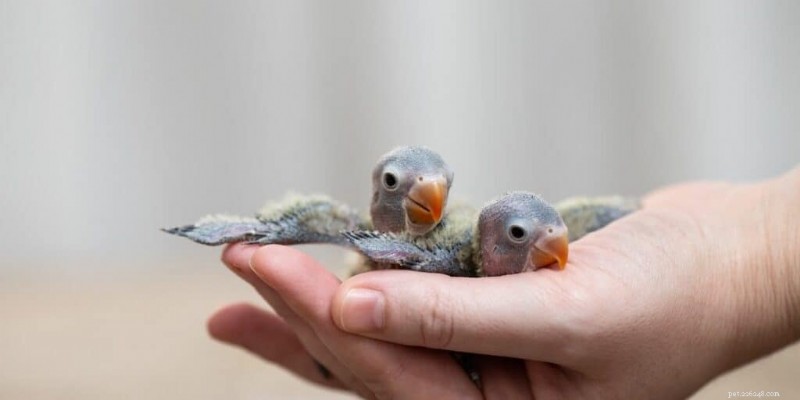
Creating a Suitable Housing Environment: The Psittacine Brooder
A brooder provides a warm, temperature‑controlled, and safe space for newly hatched chicks. While there is no one‑size‑fits‑all design, a simple box with paper towels on the bottom and adequate ventilation can work well if temperature is maintained.
Move chicks into the brooder before they reach three weeks of age to maximize adaptation. Keep each clutch together and avoid mixing with other species to reduce disease transmission.
Maintaining Optimal Warmth
Heating must be precise: chicks require 78–82 °F (25.5–27.7 °C) from day 4 onward, after starting at 96–98 °F (35.5–36.6 °C) during the first few days post‑hatch. Use a thermostat and perform regular checks to prevent overheating or cold stress.
Appropriate Bedding for Baby Parrots
Begin with paper towels; switch to wood shavings around week 3 to support developing feet and prevent splaying. Bedding should be changed after every feeding and more frequently if soiled.
Humidity Matters
High humidity mimics the natural environment and supports healthy growth. Increase humidity by using shallow water trays or a saltwater bath near the heating element.
Hand‑Feeding Your Parrot Chick
After separation from parents, baby parrots depend on hand‑feeding for at least five months. Correct technique is critical for survival and helps produce calmer birds. Initial refusal is common; if feeding is delayed for up to 12 hours, hunger usually prompts acceptance.
Hygiene Is Critical!
Chicks have limited immune defenses. Maintain strict cleanliness: wash and disinfect hands, wear latex gloves, and place each chick on a clean paper towel after handling. Avoid mixing with older birds or parent‑fed siblings.
What to Feed a Baby Parrot
Use a dry mash formula prepared fresh for each session. Accurately weigh the formula and water; sterilize all utensils. Heat the mixture to ~100 °F (40 °C) and check for hotspots. Keep syringes warm by placing them in a cup of hot water.
Consistency Adjusts with Age
Early feeds (days 2–4) should be thin, with no more than 10% solids. As the chick grows, increase solids to ~30%, achieving a slightly thicker, applesauce‑like texture.
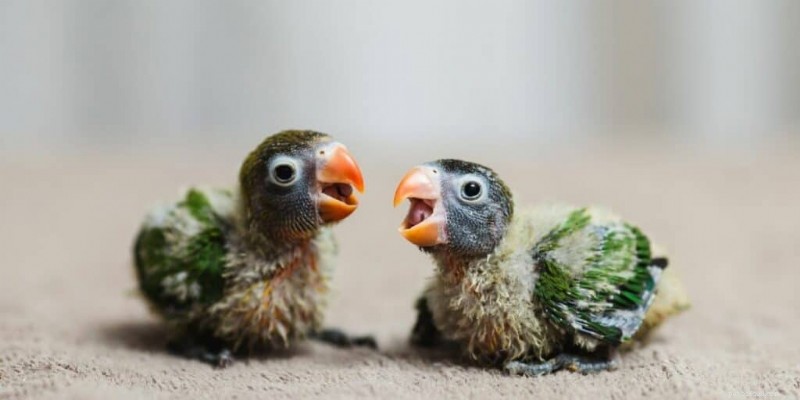
Feeding Techniques by Hand
Choose a method that balances safety, hygiene, and the chick’s comfort:
- Bent teaspoon – time‑intensive but promotes bonding; watch for contamination.
- Pipette feeding – ideal for very young chicks; limited volume per dose.
- Catheter‑tipped syringes – widely used; allows precise measurement and controlled delivery.
- Rubber‑tubed syringe – more invasive; requires experience or veterinary guidance; prolongs weaning.
Feed to fill the crop without overdistension; allow the crop to empty before the next feed. Feed six times daily with thin formula, reducing to four times as the consistency thickens.
Identifying Individual Chicks
For clutch management, apply closed leg bands between weeks 2–3. Slide the band over the larger toe and secure it around the smaller toe. This simple, painless method allows accurate growth tracking.
Monitoring Growth and Health
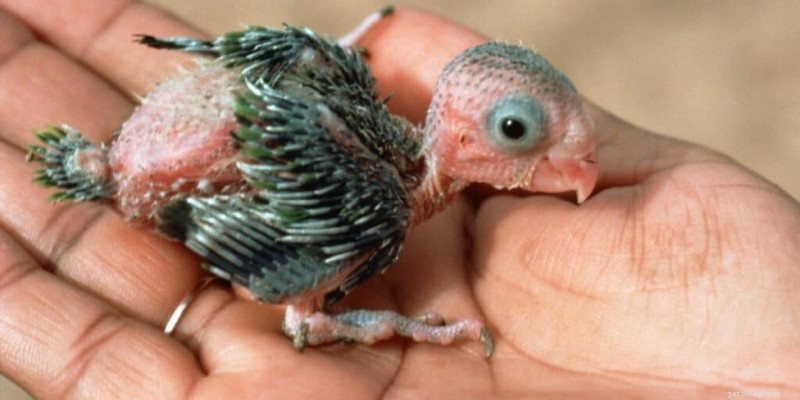
Daily morning weigh‑ins (pre‑feed) are essential. Observe:
- Plumpness: healthy, hydrated birds display firm skin and good flesh tone.
- Skin color: expect vibrant hues; pallor or mottling indicates issues.
- Skin texture: dehydrated chicks have wrinkled, crispy skin.
- Body symmetry: disproportionate limbs or oversized heads suggest developmental problems.
When to Wean
Weaning depends on weight, wing development, and cage acclimation. A weight loss exceeding 15% during this transition is abnormal and warrants veterinary review. Gradually thicken feeds, shift from syringe to spoon, and eventually place a bowl of lumpy food in the cage.
Common Health Issues to Watch For
- Infections: hand‑rearing raises the risk of digestive tract infections (E. coli, Klebsiella, Pseudomonas, Candida). Prompt veterinary care is essential.
- Crop stasis: prolonged food retention can cause fungal infection; treat by adding warm water and gentle massage.
- Crop burn: feeds above 41 °C can scald the crop; always double‑check temperature.
- Toe constriction: severe dehydration may lead to fibrous tissue bands that cut blood supply.
- Aspirated feeds: ensure correct positioning to avoid choking.
- Beak deformities: improper nutrition can affect beak shape; monitor closely.
Conclusion
Raising a baby parrot is a rewarding but demanding responsibility. Before starting, deepen your knowledge with reputable resources such as:
- Psittacine Pediatrics: Housing and Feeding of Baby Parrots
- Breeding Parrots
- Neonatal Parrot Diseases
- Relieve Your Pet’s Winter Itch: Proven Strategies for Allergy Relief
- Nanday Conure (Black‑Hooded Parakeet): Comprehensive Care & Personality Guide
- Why Chocolate Is Harmful to Dogs: Understanding the Risks
- 75 Elegant French Pet Names for Your Beloved Companion
- Eco‑Friendly Dog Waste Disposal: Practical, Responsible Solutions
- Do Dogs Detect Depression? Understanding Canine Insight into Human Mood
- Apple & Carrot Limited-Ingredient Dog Treats – Healthy Homemade Recipe