

Can Parakeets Safely Eat Oranges? Expert Guidance on Benefits, Risks, and Feeding Tips
Introducing fresh foods to a parakeet’s diet can boost its health and happiness. However, many owners wonder whether citrus fruits, especially oranges, are safe for their feathered companions. This guide breaks down the facts, offers practical feeding tips, and lists other safe fruits and foods to avoid.
Why Parakeets Love Oranges (and Why You Should Be Cautious)
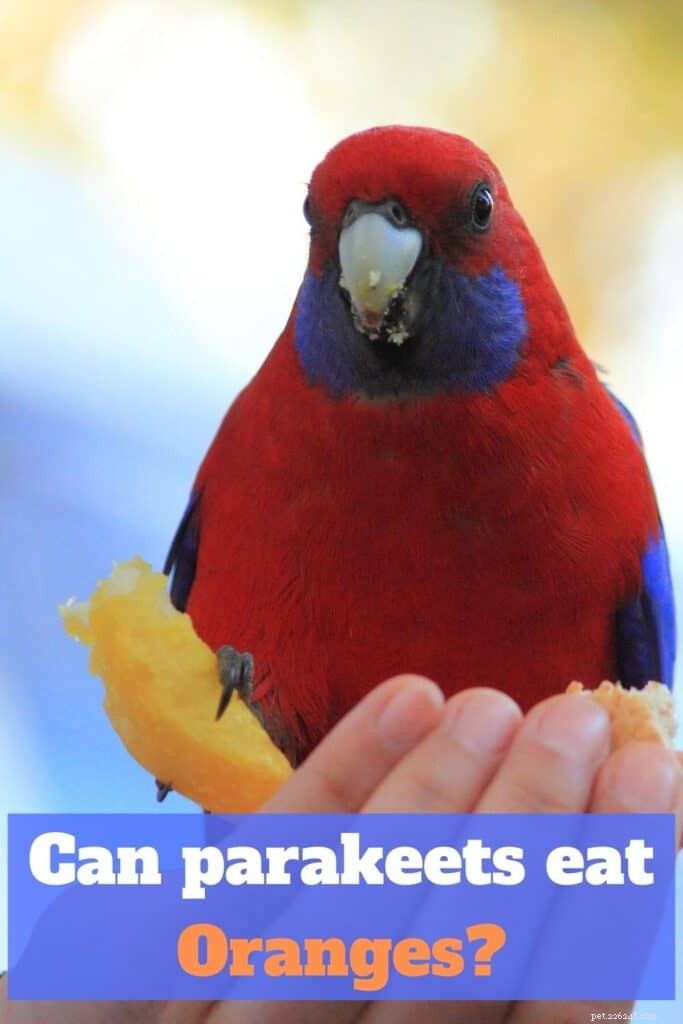
Oranges are a popular treat because they are sweet, juicy, and visually appealing to budgies. They provide vitamin C, potassium, and dietary fiber—nutrients that mirror what a parakeet would find in the wild. Animal health experts recommend that fresh fruit should make up no more than 15 % of a budgie’s daily diet.
Despite these benefits, oranges contain naturally occurring fructose, a sugar that can upset a bird’s sensitive digestive system if consumed in excess. Symptoms may include loose stools or mild gastrointestinal discomfort. For this reason, limit orange servings to one or two small portions per week.
How to Safely Serve Oranges to Your Parakeet
- Start slowly. Offer a tiny piece—about the size of a fingernail—to gauge your bird’s reaction.
- Peel first. Orange peel may carry pesticides or fungicides that are harmful to birds. Only feed the pulp.
- Remove seeds and pits. These can be choking hazards and may contain toxins.
- Hand‑feed if possible. This helps your parakeet focus on the treat rather than the cage environment.
- Clean up promptly. Remove any leftover fruit to prevent mold growth and insect attraction.
Balanced Diet: Pairing Oranges with Other Fresh Foods
Oranges are just one component of a varied diet. Combining them with leafy greens, legumes, and other low‑sugar fruits can help maintain nutrient balance. Here are a few safe fruit options that can complement oranges:
| Safe Fruits | Preparation Notes |
|---|---|
| Melon | Cut into small cubes |
| Organic Grapes | Remove seeds |
| Mango | Remove pit |
| Berries | Wash thoroughly |
| Apples | Remove seeds |
| Peach | Remove skin and pit |
| Dragon Fruit | Cut into bite‑sized pieces |
| Pears | Remove seeds |
| Banana | Peel before feeding |
| Dates | Offer in moderation |
| Apricot | Remove pit |
| Kiwi | Remove peel |
| Pomegranate | Remove rind |
| Passion Fruit | Remove rind |
| Lychee | Remove rind |
Foods to Avoid: A Quick Reference
- Crisps and salty snacks
- Chocolate (contains theobromine)
- Peanuts and peanut butter (high fat, potential allergens)
- Cheese (high sodium and fat)
- Tortilla chips and other processed grains
- Biscuits, cakes, and sweet pastries (high sugar and additives)
Bottom Line
When introduced in moderation, oranges can be a nutritious and enjoyable treat for parakeets. Stick to small, peel‑free pieces, monitor for digestive upset, and always balance fruit with a diet rich in greens, seeds, and high‑quality pellets. By following these guidelines, you can keep your budgie healthy, happy, and delightfully curious about its food.
- The Ragdoll Cat: Full Breed Profile, Personality, Care Tips & Stunning Photos
- Meet Cookie: Ragdoll Cat of the Week
- Can Dogs Detect Cash? The Science Behind Currency‑Sniffing Canines
- Discover QQpets: Premier Dog Collars & Leashes Supplier at Global Pet Expo 2017
- Basenji Dog: History, Traits, and Care Guide
- Essential Guide to Traveling Safely with a Special Needs Pet
- Fostering & Adoption During COVID-19: Safe Steps for Families