

Caterwauling Explained: Why Cats Make That Disturbing Sound
Anyone who has a cat knows they have many ways to communicate with us including purring, meowing, jumping in our face, knocking things off counters, and weaving between our legs when we try to walk.
But nothing gets our attention like the sound of a cat caterwauling, especially when it’s in the middle of the night.
What Exactly Is Caterwauling?
A caterwaul is a shrill and often loud noise made by a cat. It is also described as a yowl or a howl. Some cats sound like they are crying out in pain. A caterwaul is usually a very dramatic and drawn out noise that is very unpleasant to most people as you can see in the video below.
When the noise is repeated over and over again in a short period of time, it is referred to as caterwauling. Given the obnoxious and almost painful sound of a caterwaul, it is usually a very successful way for a cat to be noticed.
Why do Cats Caterwaul?
Seeking attention
With some cats, caterwauling is just simply a way to get our attention quickly. They may caterwaul to let us know their food bowl is empty, their litterbox needs cleaning, or you have been gone too much lately and they are lonely.
However, in many cases, it is a signal that something is wrong and a visit to the veterinarian is in order. There are many different underlying reasons for caterwauling beyond attention-seeking, including hormonal, medical problems, and behavioral issues.

A caterwaul is a shrill and often loud noise made by a cat, usually a very dramatic and drawn-out noise that’s unpleasant to most people.
Cat heat
If you have a young female cat, the most common cause of caterwauling is the start of estrus, or heat. They cry loudly to attract a mate. Female cats can have their first heat cycle anywhere from 4 months to a year of age, but for most kittens it is around six months of age.
Also Read: Cat In Heat: Signs, Symptoms & Care
Cats are unlike dogs with their heat cycles. Dogs typically only have two heat cycles a year. Once a female cat starts going into heat, she will continue to have multiple heat cycles in a short period of time until she becomes pregnant.
Therefore, the best way to stop a young female cat from caterwauling is to have her spayed and stop the frequent heat cycles. Intact male cats may caterwaul in response to a female cat in estrus. Neutering a male cat will stop this behavior as he will no longer be seeking a mate.
Medical issues
If your cat is fixed, it is time to look for a medical problem for caterwauling. If the caterwauling is happening while in the litterbox, the underlying cause may be a urinary tract infection of constipation.
If your male cat is making frequent trips to the litterbox and caterwauling but there is little or no urine in the box, call your veterinarian right away. Your cat could have a urinary obstruction, which is a life-threatening emergency as you can see in the video below.
Some cats caterwaul as a sign of pain. As cats age, they can develop arthritis along their back, hips, knees, and elbows. Cats hide their arthritis much better than dogs, but you may see they are no longer jumping up, avoiding stairs, or caterwauling after a day of increased activity.
Other medical problems that can cause a cat to caterwaul include hyperthyroidism (excess thyroid hormone makes cats feel confused, uncomfortable, and hungry all the time), kidney failure (the kidneys are not filtering toxins out of blood as efficiently and this leads to gastric ulcers, nausea, and increased thirst), and high blood pressure. Your veterinarian will likely advise blood tests to look for underlying causes.
Behavioral problems
Behavioral problems can also lead to caterwauling. Some cats are very territorial. If a new cat moves into the neighborhood and starts roaming the streets, your cat may become agitated and caterwaul to warn the new cat to get out of their territory.
Also Read: How To Introduce A New Cat Into Your Home
This may also occur with wild animals wondering into the yard, such as raccoons or skunks. Some cats are even territorial towards humans and become upset when an unfamiliar person enters the house.
As cats age, they are more likely to caterwaul. This is because they are more prone to the medical causes listed above, including arthritis, hyperthyroidism, and kidney disease. If your veterinarian has ruled out all these causes and your cat is not territorial, it may be due to confusion.
Cats, like people, may develop dementia as they age. This creates separation anxiety and stress for your kitty and cause him to cry out. If your cat is losing his hearing, he may caterwaul as a way to call to other members of the house because he can no longer hear them moving about to locate them.
How can I make my cat stop caterwauling?
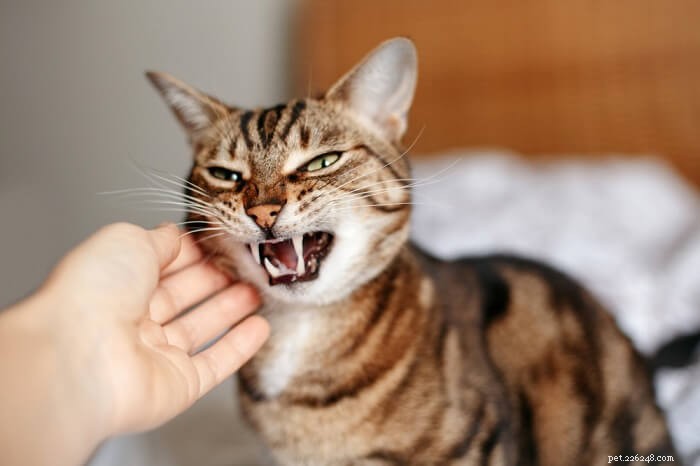
Caterwauling can have many reasons, medical and purely behavioral. Take your cat to a vet to rule out any medical issues first.
First, have your cat spayed or neutered. If that has already been done, make an appointment with your veterinarian to see if there is a medical problem.
If your cat is healthy and the caterwauling is likely a behavioral problem, here are some ideas that may help:
- Use toys to feed your cat. There are many automatic feeding toys available – some slowly release food as your kitty bats it around, others are little mice that you hide around the house so your cat can hunt for them. These toys can also help with weight loss.
- Interact with your cat more during the day and evening hours so that he isn’t searching for attention at night.
- Try a product like Feliway, which is a feline pheromone that helps reduce anxiety in kitties.
- Try not to reinforce the behavior by rewarding your cat when she vocalizes. If you feed her, play with her, or let her out when she is vocalizing, you are rewarding her and the behavior will continue.
Frequently Asked Questions
Why does my cat caterwaul?
Your cat is caterwauling to gain attention. It may be the attention of another cat if they are looking for a mate or if another cat has entered their territory. It may be the attention of the cat’s humans to alert them that he is in pain, confused, or has a medical issue.
What does a caterwaul sound like?
A caterwaul is hard to describe, but you will know it when you hear it. It is kind of like a long drawn out howl mixed with a whine or a cry. Cats often repeat the sound multiple times in a short period.
Why does my senior cat yowl?
Senior cats are more likely to caterwaul than younger cats because of a number of reasons. Older cats are more likely to have the medical issues that lead to caterwauling, including arthritis, high blood pressure, and other medical conditions such as kidney disease and hyperthyroidism.
Senior cats may develop dementia causing anxiety and confusion which lead to howling, especially at night. Another reason may be a loss of hearing. Cats use their hearing to locate others in the household. When they lose this ability, they may cry out as a way to let their housemates know where they are.
Why does my cat caterwaul at night?
Caterwauling can occur at any time, but it’s more noticeable and annoying when it occurs at night. Many cats are nocturnal so they are more active during the night time hours. They may be wanting attention of their humans who are sleeping, or in the cats’ minds ignoring them.
In a lot of pets, anxiety seems to heighten at night, leading to caterwauling. Also, nighttime is a prime time for intact cats to roam the neighborhood looking for a mate. Your cat may be caterwauling in response to other cats roaming outside.
- Pet Behavior
- Pet Breeds
- Pet Names
- Pet Adoption
- Pet Training
- Cat Stories
- Pet Health
- Adorable Pets
- Cats
- Understanding Cat Chirping: Meaning, Causes, and How to Respond
- Understanding Cat Chattering: Why Cats Make This Sound
- Why Cats Drool: Common Causes & Effective Solutions
- The Science Behind a Cat’s Purr: What It Means and Why It Happens
- Understanding Cat Trilling: Why Cats Trill and What It Reveals
- Catnip Explained: Benefits, Safety, and How to Use It for Your Feline Friend
- Understanding Cat Caterwauling: Causes & What It Means