

How to Spot Stress in Your Cat—and What to Do About It
Cats are sensitive and can become stressed out by even the most subtle and minor triggers. Think back to when you started noticing signs of stress and note any changes to her environment that happened around that time. Have you had unfamiliar visitors? Did you change litter brands? Does your neighbor’s new dog bark a lot? Determining the source of her stress can be a tricky game of trial and error, but it’s essential to solving the problem.
A visit with your veterinarian may also be in order if you notice any of these stress symptoms, since many of them are common indicators of bigger underlying health issues.
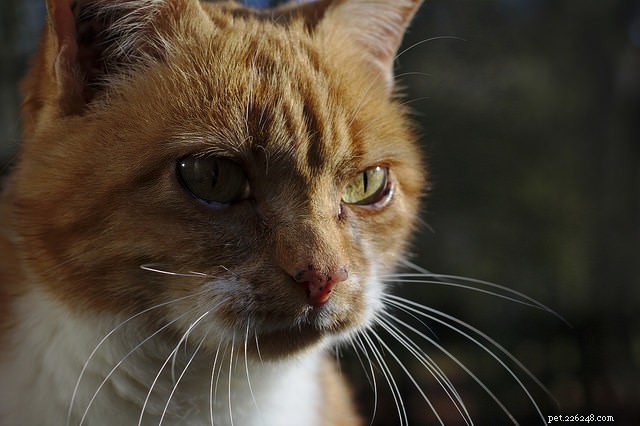
Litter Box Avoidance
If your cat has been peeing outside of her litter box, it can be easy to take it personally. Despite how it may seem, your cat isn’t trying to spite you. She’s simply trying to communicate something to you and it’s your job as her caretaker to figure out what that is. There are a lot of reasons why cats occasionally avoid litter boxes, spanning a large range of behavior and health issues. Stress is one of the most common reasons.
Digestive Issues
Just like you, your cat can develop digestion problems when she’s stressed. This can manifest itself with vomiting, diarrhea, constipation, or just a general upset stomach.
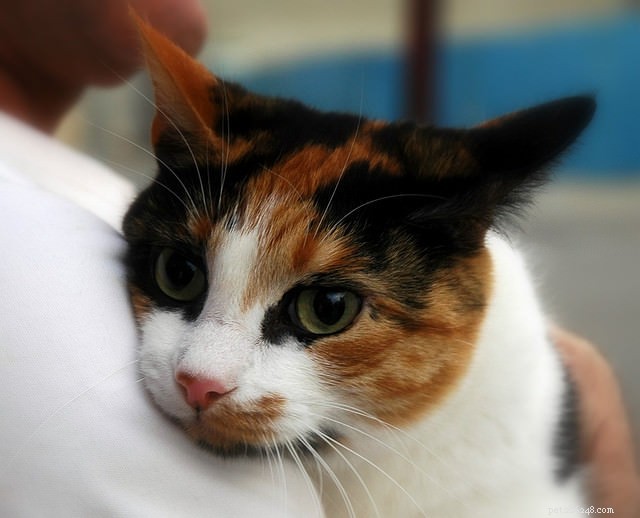
Hiding
Many cats will hide as a way to avoid the source of the stress. Hiding isn’t necessarily a sign of stress– many cats like to take hidden naps, and shy cats may often hide even when they aren’t stressed– but it’s something to consider if it’s a new and uncommon behavior for your cat.
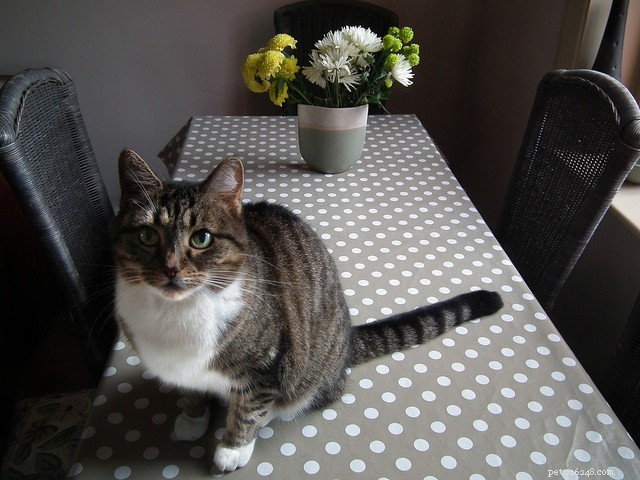
Excessive Grooming
A stressed cat can easily develop a compulsive behavior like over grooming, which can cause bald spots and irritation.
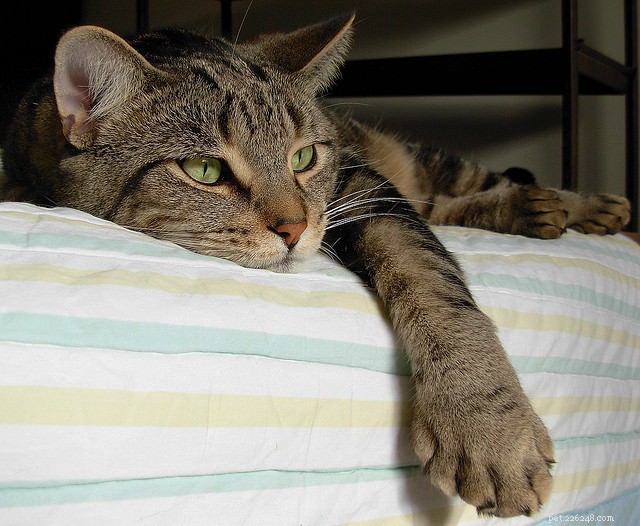
Decreased Appetite
Cats who are stressed often lose their appetites. This may be related to the fact that stress can often cause upset stomachs and other digestive problems.
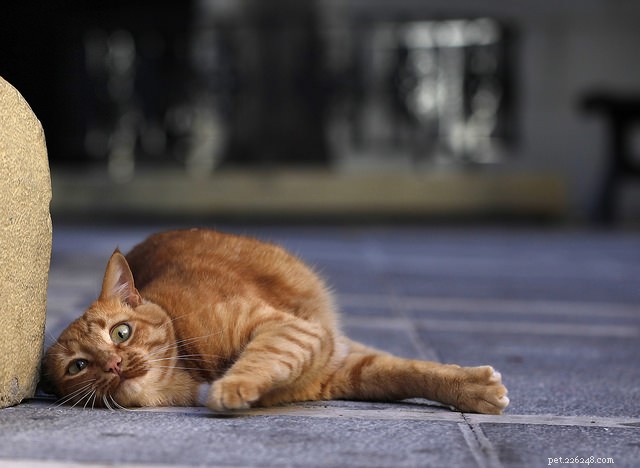
Aggression
Even the most friendly and even-tempered cats can become aggressive to humans and other household animals if they’re feeling stressed.
Excessive Vocalization
Excessive meowing or chatting isn’t necessarily a red flag. Some cats are just natural talkers. Stress may be a factor, however, if the chattiness is unusual for your normally quiet cat.
- Pet Behavior
- Pet Breeds
- Pet Names
- Pet Adoption
- Pet Training
- Cat Stories
- Pet Health
- Adorable Pets
- Cats
- Spotting a Cat's Signs of Distress: How to Know When They're Upset
- Recognizing Cat Stress: Key Signs & How to Help Your Feline
- How to Know If Your Cat Has Become Senior: Key Signs & Care Tips
- How to Spot Stress in Your Cat: Signs, Causes, and Solutions
- Is Your Cat Overweight? Key Signs & Tips to Protect Their Health
- Spotting Signs Your Cat Is Feeling Down: A Practical Guide
- 9 Clear Indicators Your Cat Is Under Stress – How to Spot and Ease It