

Top 5 Essential Tips for Safely Leaving Your Cat Home Alone
Cats definitely appreciate their independence, but that does not mean they like being left home alone. There is a big difference between napping in a different room and spending hours to days on their own in an empty house.
Whether you work long hours or travel frequently, here are 5 things you need to know about cats before you head out the door.
1. Boarding may not be the answer.
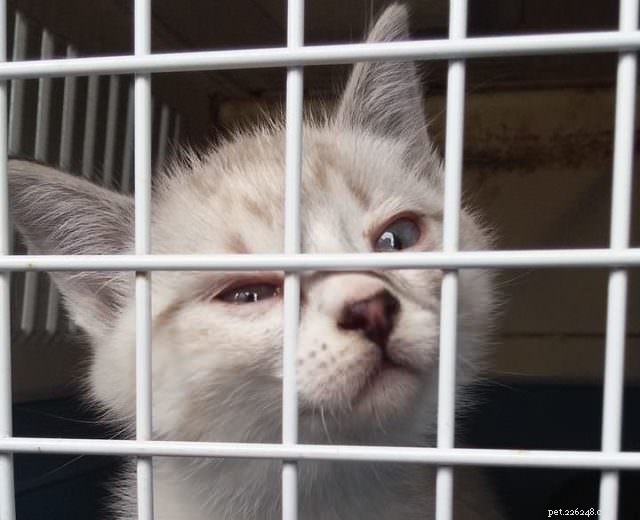
Cats are creatures of habit and tend to be quite territorial. Anyone who has ever moved with cats can attest that they find the new sights, sounds, smells and sensations of an unfamiliar environment quite stressful. In a boarding situation, kitties not only lose their home turf, your familiar presence is also missing.
It may seem like the perfect solution, but boarding could actually create more problems than it solves. Some cats develop anxiety, aggression towards their caretakers, anorexia, and stress-related vomiting or diarrhea while boarding. If possible, hiring a pet sitter to care for your kitty on his own turf is a better option.
2. Cats crave routine.
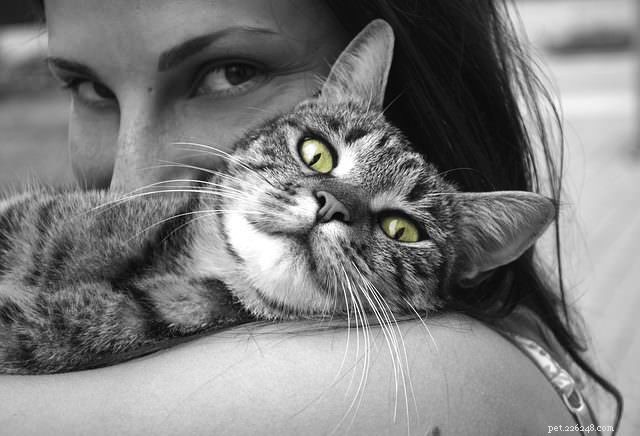
Cats thrive on a dependable routine and should never be left without human contact for more than 24 hours. Having a friend or professional pet sitter look in on your cat during your absense will help maintain his trusted routine and reduce stress. A human caretaker can also monitor your cat’s wellbeing by ensuring that he is using the litterbox and eating properly.
3. A dirty litterbox will likely lead to a dirty house.
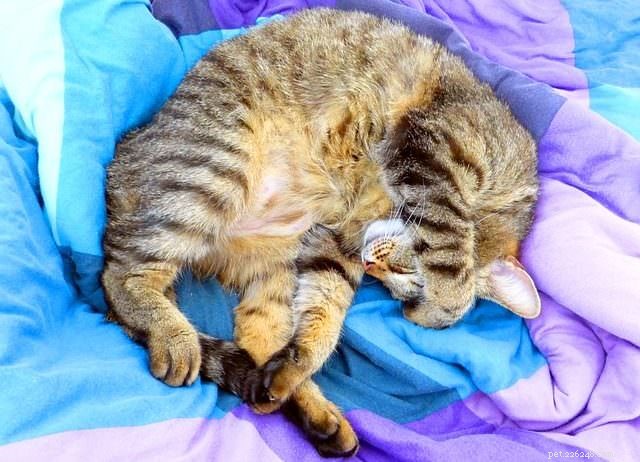
There is a reason cats are described as “finicky.” They take meticulous care in keeping themselves clean and fresh – and they expect you to do the same with their litterbox! Some cat owners mistakenly assume that all their cats need is a heaping pile of food and a huge bowl of water to get through several days on their own, but a clean litterbox is just as important. If the box becomes too full in your absence, your cat will find a different place to dig and bury his business – and it may end up being your bed!
4. They get lonely.
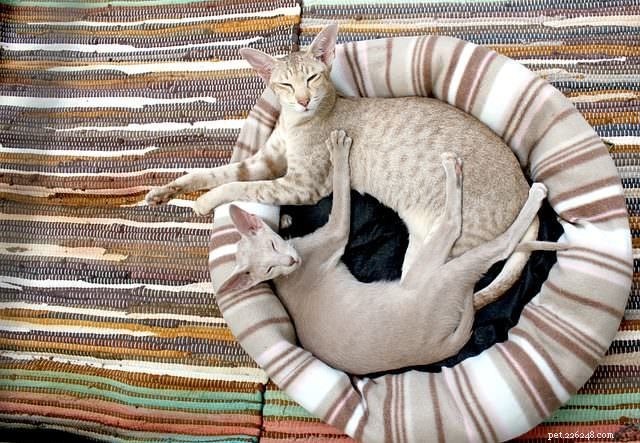
Cats are quite stoic with their emotions, but spending too much time alone does affect them. Although separation anxiety is far more common in dogs, cats can also suffer from its effects. Changes in behavior, appetite, litter box habits, or grooming could be signs that your cat is lonely.
Those with busy work or travel schedules can try a pheromone diffuser in the home, playing music or TV, or employing a pet sitter to break up their cat’s day. Some sources recommend adding a second pet to the home, but this should never be done just to appease your current cat. You must always be fully committed before adopting any animal.
5. They need stimulation.
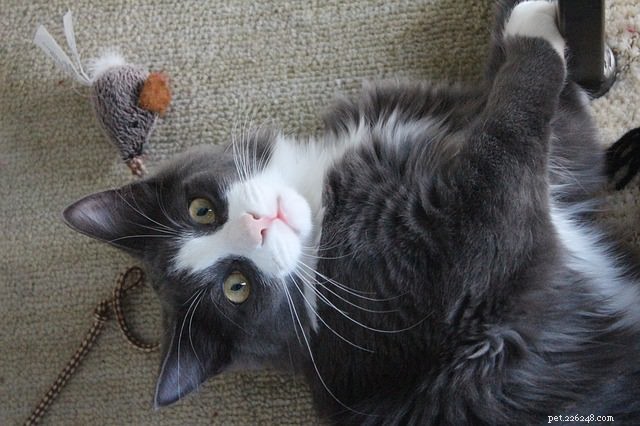
Just because kitties sleep a lot doesn’t mean they don’t crave enrichment. Without entertainment – like puzzle feeders, cat trees, window perches for bird-watching, and plenty of fun, safe toys – cats may get into mischief around the house. Boredom can result in overeating, escape attempts, and even dangerous behaviors like wire-chewing.
- Pet Behavior
- Pet Breeds
- Pet Names
- Pet Adoption
- Pet Training
- Cat Stories
- Pet Health
- Adorable Pets
- Cats
- The Complete Guide to Cat Neutering: Benefits, Timing, and Care
- 5 Surprising Secrets About Siamese Cats
- Essential Guide to Cat Care: Tips for Healthy, Happy Felines
- Cat Fights Explained: Why They Happen & How to Protect Your Feline
- Raising Your First Cat: A Comprehensive Guide to Care & Happiness
- Pancreatitis in Cats: What Every Owner Should Know
- 10 Fascinating Facts About Ginger Cats You Likely Didn't Know