

Cats Meow More at Male Caregivers: What Science Reveals
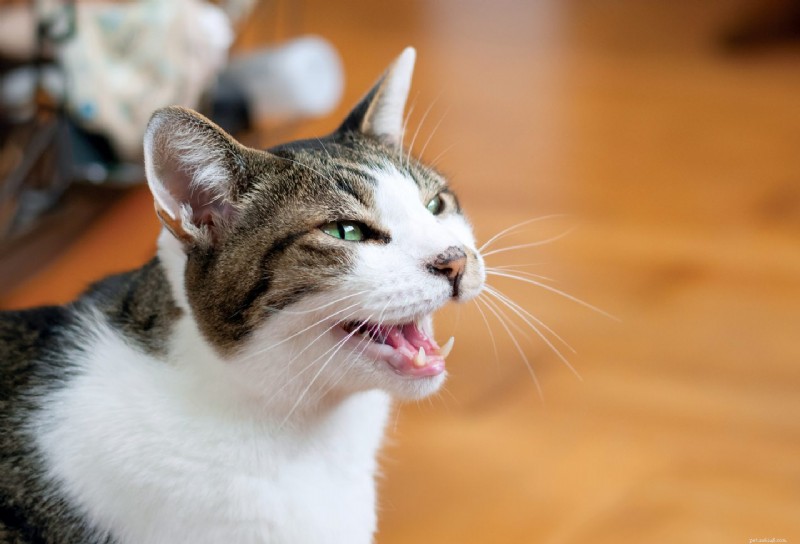
Want to Get a Man’s Attention? You’ll Need to Meow Louder
By Rose Frosek
Last Updated: June 10, 2026
When Dr. Kaan Kerman, an instructor in the psychology department at Bilkent University in Turkey, asked cat owners if he could film inside their homes for a feline‑behaviour study, the response was enthusiastic. Owners were eager for any insight into their cats’ habits, but the results may have surprised many male cat owners.
Study Finds Cats Meow More at Men
The small study, published in the journal Ethology, showed that cats produced more vocalisations when greeting male caregivers than female ones. The authors suggest that men may need clearer, louder cues to notice and respond to their cats’ needs.
How Researchers Measured Feline Greetings
Volunteer owners, who identified themselves as the primary caregiver for their cat, wore a head‑mounted camera and recorded the first few minutes after returning home. Researchers analysed the first 100 seconds of footage from 31 participants, focusing on the first cat that approached the caregiver in multi‑cat households.
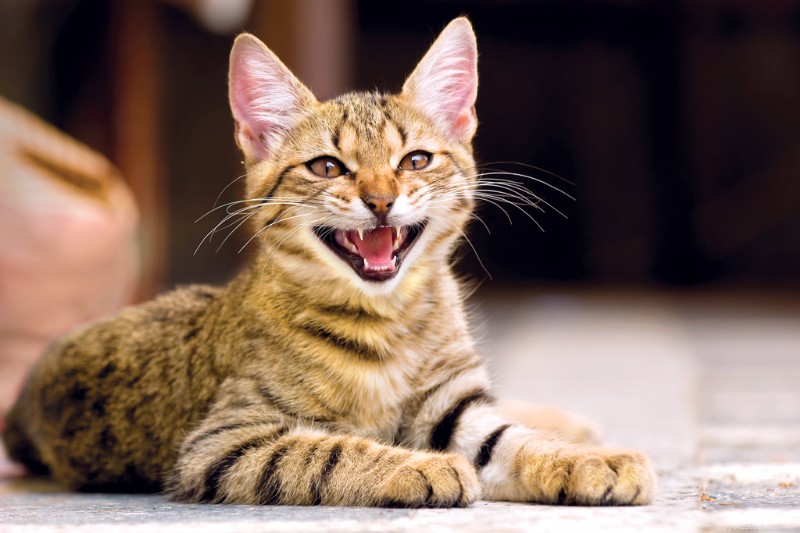
Caption: ststoev/Bigstock
Increased Meowing Linked Only to Male Caregivers
Among all demographic variables examined—cat age, gender, breed, number of cats—the only factor associated with higher vocalisation was the caregiver’s sex. Cats averaged 4.3 meows in the 100‑second greeting window with men, compared with 1.8 meows with women. The count also included trills, chirps, growls and purrs.
Why Cats May Use More Vocal Signals With Men
The researchers hypothesise that the difference reflects how men and women interact with their pets. Earlier work has shown that female cat owners tend to talk to their cats more often and are better at interpreting feline vocalisations.
"So the authors suggest that we men are clueless, that we’re ignoring cats, and they need to get our attention more," said Dr. Jonathan Losos, an evolutionary biologist at Washington University in St. Louis. "Could be true," he added, noting that alternative explanations and the small sample size need to be considered.
Cat Behaviourists Express Doubts About the Findings
Dr. Mikel Delgado, a senior research scientist at Purdue University and cat‑behaviour consultant at Feline Minds, cautions that the study did not control for several important variables. "The researchers did not account for how long the caregivers were away or when the cat was last fed," she explained. "Men may work longer hours or feed their cats less frequently, which could also drive more meowing." She stresses the need to read the full paper before drawing firm conclusions.
Other Variables That Could Influence Cat Vocalisations
Delgado also points out that the amount of verbal interaction from owners was not measured. Cultural factors may play a role as well; all participants lived in Turkey, where men reportedly engage less frequently in verbal communication with pets. Kerman plans to replicate the study in other regions to test whether the pattern holds globally.
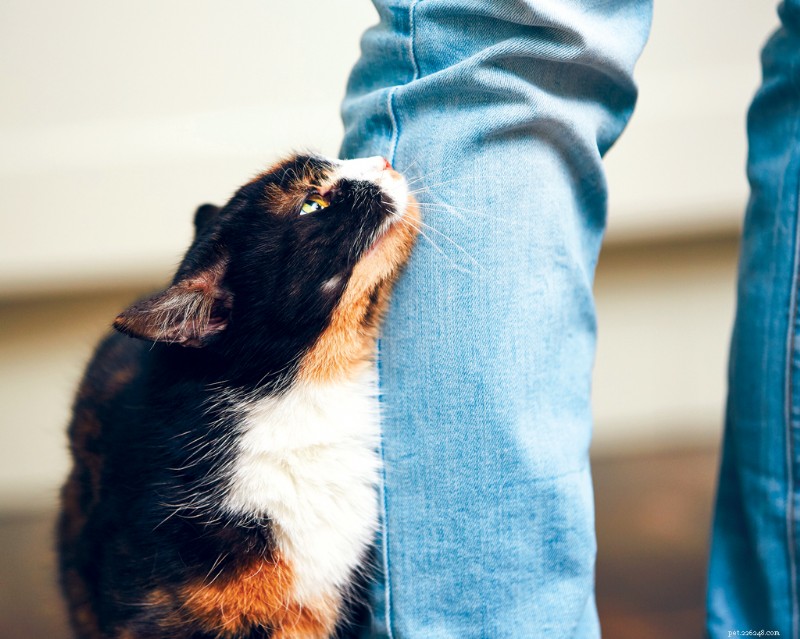
Caption: Chalabala/AdobeStock
Both researchers agree that larger, more controlled studies are needed before confirming that cats truly meow more at men to get attention.
This article originally appeared in the award‑winning Modern Cat magazine. Subscribe today!
Last Updated: June 10, 2026
- Pet Behavior
- Pet Breeds
- Pet Names
- Pet Adoption
- Pet Training
- Cat Stories
- Pet Health
- Adorable Pets
- Cats
- Kids Prefer Pets Over Siblings, Study Shows Greater Satisfaction & Fewer Conflicts
- Moving with Pets: Stress-Free Strategies for You and Your Furry Friends
- How Love & Vet Care Helped Me Beat Cat Allergies
- Eliminate Pet Allergies Naturally with Adaptogens & Herbal Alternatives
- 10 Expert Tips to Help Your Dog Lose Winter Weight Safely
- Why Dogs Sniff Your Crotch: A Scientific Breakdown
- Why Turkey Bones Are Unsafe for Dogs—What You Should Know