

Is Owning a Big Cat as a Pet Worth It? Legalities, Care, and Risks Explained
 In This Article
- Can You Own a Big Cat as a Pet?
- Purchasing
- Behavior and Temperament
- Housing
- Diet
- Common Health Problems
- Breeds of Big Cats
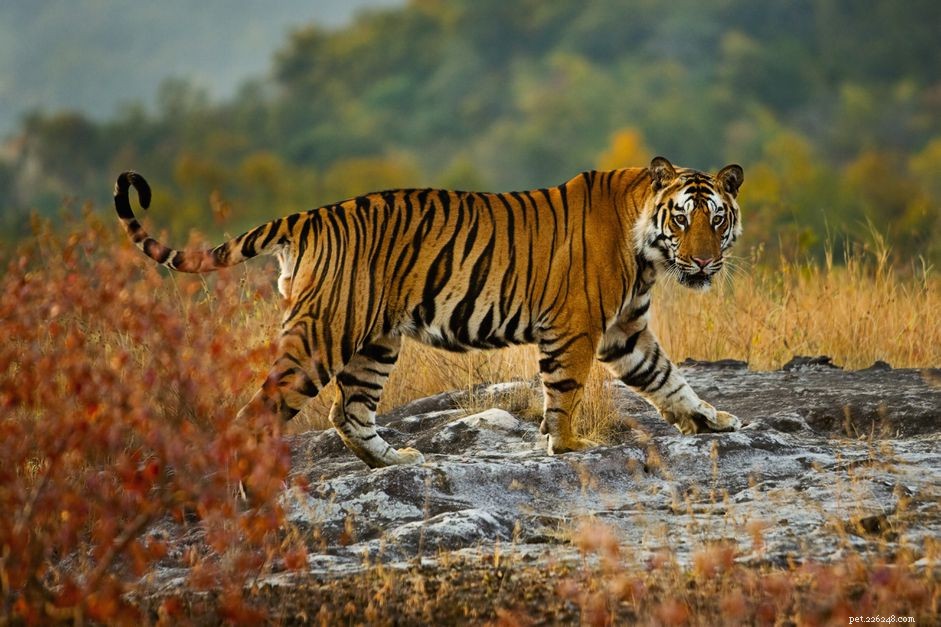
Big cats such as lions and tigers are awe-inspiring, beautiful animals. People are often intrigued by keeping big wildcat species as pets, but what kind of pets do tigers, lions, bobcats, and other big cats make-and is it even legal to keep these animals in captivity?
Can You Own a Big Cat as a Pet?
Legality
The Captive Wildlife Safety Act was introduced and passed in the U.S. House of Representatives in 2004 to address the problems of availability of wild cats as pets. This law prohibits the interstate and foreign trade in exotic cats, including lions, tigers, leopards, cheetahs, jaguars, and cougars for the pet trade.
Circuses, zoos, wildlife rehabilitators, and some other licensed facilities are exempt from the Captive Wildlife Safety Act. This legislation was introduced with the sole purpose of making big cats unavailable to the private citizen pet trade, although it is not an outright ban on ownership.
Experts estimate that there are thousands of tigers kept as pets in private facilities in the U.S., possibly outnumbering the tigers left in the wild. The numbers compiled by the Feline Conservation Federation show a drop in ownership of big cats in the U.S. in the period from 2011 to 2016.
Ethics
Pet tigers have been involved in several fatalities and maulings in the U.S. and Canada in recent years, which generally results in the animals' destruction as well. Sadly, pet tigers and other big cats end up neglected, abused, or given up to sanctuaries when their owners cannot care for them. These tragic situations can be easily avoided by not choosing wild cats like tigers for pets.
While there are owners of big cats who go out of their way to provide appropriate housing and diet and have no problems, there are countless others who are misguided in their expectations and ability to provide the proper care.
Purchasing a Big Cat
If owning a big cat still intrigues you, you must consider a few factors before meeting with a reputable breeder.
- Keeping wild cats such as tigers, lion, bobcats, and cougars may be illegal where you live (either under local laws or by wider regulations).
- You will need a veterinarian that is willing to treat your animal, and it is difficult to find one due to legal issues.
- The future for many captive big cats is a life of neglect and even abuse when their owners cannot handle them anymore. Deciding to own a big cat is taking on a high level of responsibility for these animals, one that most people find overwhelming after the first couple of years.
Big Cat Behavior and Temperament
Even the smaller of the non-domestic cats, such as bobcats, servals, and lynx, are not at all like domestic cats. Different species have different temperaments, but all of these cats can exhibit destructive behavior from urine marking to aggression.
The large cats such as lions, tigers, leopards, and cougars are even more problematic. Even if a particular individual is not typically aggressive, its natural tendencies must be remembered. Wild cats are predators; even at play, they exhibit instinctive predatory behavior such as pouncing, wrestling, biting, and clawing. Their huge size and strength make them a serious threat at all times.
All wild cats have sharp claws and teeth, so they can be quite dangerous. Even trained zookeepers who work with these animals every day risk being attacked if the animal is startled or provoked in some way.
Housing Big Cats
Big cats need a lot of outdoor space in order to thrive. In captivity, they require large enclosures that have extremely high walls or caged-in ceilings. It is a huge commitment and responsibility to properly care for even the smaller wild cats. Their enclosures must also be extremely secure because there's a very real danger of a big cat escaping and attacking people or other pets.
Big cats require plenty of intellectual and physical enrichment opportunities, much like they would experience in the wild. These are smart, inquisitive animals that will get bored if they are under-stimulated, and boredom may lead to depression and health problems.
Stinky Spraying
Big cats naturally have a musky odor, and they tend to spray their urine. Spraying is instinctive "marking" behavior, so it is not possible to train these animals to stop. The odor of cat urine and excrement will quickly ruin a house and your property value, so aside from danger and cruelty to the animal, keeping a big cat indoors is simply a bad financial decision.
Expenses to Expect
Big Cat Rescue estimates an investment of $25,000 in the first year of owning a small to midsize wildcat and annual costs of $7,500. For big cats, expect over $100,000 for the first year and ongoing annual costs of over $10,000.
Food and Water
Big cats are carnivores and require a lot of raw meat. Some species can eat up to 15 pounds of meat per day. They also need vitamins and supplements to mimic the nutrients they acquire in the wild to stay healthy. In their native habitats, big cats hunt animals like deer, fish, gazelles, birds, reptiles, and numerous small mammals. They eat the meat of their prey as well as skin, bones, and organs that provide multifaceted nutrients.
Since the average lifespan of a big cat is around 20 years, feeding one on a daily basis represents a significant financial burden.
Common Health Problems
Much like the common house cat, big cats are prone to feline diseases like distemper and rabies. Most zoos immunize their lions, tigers, and other cats against these conditions. As a private owner, though, it may be a challenge to find a veterinarian who can-or will-provide the proper vaccines for a wild animal.
There are several other ailments that affect big cats as well. Feline immunodeficiency virus (FIV) is a feline equivalent to human immunodeficiency virus (HIV). If not treated, FIV can weaken the cat's immune system and make it vulnerable to other contagious diseases.
The feline leukemia virus (FeLV) is another potentially fatal disease that can affect both house cats and big cats. It can be treated if caught early, but it often leads to other illnesses in cats, including anemia, chronic infections, and cancers. If FeLV develops into full-blown cancer it is almost always fatal.
Breeds of Big Cats
If you're still interested in owning a big cat, check out:
- Tiger Breed Profile
- Serval Cat Breed Profile
Otherwise, check out other legal cat breeds that can be your new pet.
- Pet Behavior
- Pet Breeds
- Pet Names
- Pet Adoption
- Pet Training
- Cat Stories
- Pet Health
- Adorable Pets
- Cats
- Should You Declaw Your Cat? Understanding the Risks and Alternatives
- Are Prairie Dogs Suitable as Pets? Considerations for Ownership
- Should You Keep a Capuchin Monkey? A Complete Guide to Care, Behavior, and Responsibilities
- Praying Mantis as a Pet: Is It Right for You?
- Is a Degu the Perfect Daytime Companion?
- Are Skunks Suitable Pets? A Comprehensive Guide to Ownership
- Raccoons as Pets: Risks, Responsibilities, and Alternatives