

How to Spot Stress in Cats—and What to Do About It
Just like humans, cats are prone to stress – although it might be tricky to tell if your cat is feeling unsettled.
Cats are subtle in their body language, so you’ll need to keep an eye on them to ensure they are content.

Signs of stress can include:
- becoming more withdrawn or hiding more than usual
- becoming less tolerant of people
- hesitating or becoming reluctant of using the litter tray, going through the cat flap, sitting on your lap eating or drinking less
- overeating
- increased anxiety or fear
- sleep disturbance
- pacing, circling or restlessness
- a scruffy or matted coat
- house soiling
- over-grooming
If you already know that your cat is struggling with stress, it can be difficult to know what to do to help. In aid of Stress Awareness Month, we’ve put together our top five tips for reducing your cat’s stress, so you can make sure you’ve got a calm kitty.
1. Make sure your cat has everything it needs
It might seem obvious, but ensuring your cat has a litter tray, food and water bowls and even a scratching post can help reduce stress. Where you put these items can also have a surprising impact on your cat’s stress levels too. Keep litter trays away from eating areas, for example, and make sure your cat’s resources aren’t in an area with lots of noise or people.
2. Give your cat some space
Cats are solitary creatures, so they don’t like to be crowded by others – that counts for other cats, other pets and even children or other family members. Ensuring your cat always has space to escape from the chaos is a good way to reduce their stress. A quiet spot, preferably somewhere high up, is ideal. Try a cardboard box on a sturdy shelf, for example.
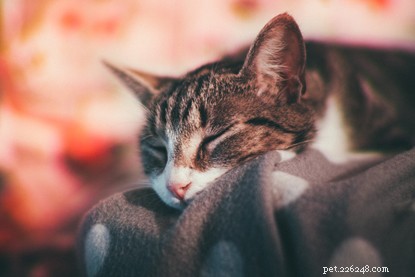
3. Try not to handle them if they’re not keen
While many cats like to be stroked for a long period of time, others are happier to enjoy their own company. Some cats might be quick to tell you that they’re unhappy while others are more subtle in their behaviour. Pay attention to their body language and always make sure they have the freedom to move away from you when they wish.
4. Avoid cat intruders

If your cat is stressed due to a neighbourhood cat invading their space (or your garden), it can be tricky to eradicate the issue. If you know who the cat belongs to, and you’re on good terms with the owner, you could try a friendly chat. Make the suggestion to ‘share the space’ by ensuring the cats explore outdoors at different times. Otherwise, ensuring your cat has plenty of resources both indoors and outdoors (eg places to toilet, get up high, drink from) should keep them calm.
5. Help them to handle changes before they happen
Cats are creatures of habit. Routine is important to them, so anything that disrupts this can leave them feeling stressed. Whether you’re planning to move house, have building work completed or welcome a new baby into your home, preparing your cat for the changes reduces the risk of stress. During house moves and improvements, cats are often much better temporarily staying in a cattery to keep them calm. With new babies, you can get your cat prepared for their new arrival with our advice guide, which includes getting them familiar with baby sounds and how to make the nursery off-limits. Visit https://www.cats.org.uk/help-and-advice/cats-and-your-family/cats-and-your-pregnancy for a month-by-month guide.

If in doubt, see your vet
If you're concerned about your cat's behaviour, you should always go and see your vet. They can refer you to a suitably qualified behaviourist, such as a member of the Association of Pet Behaviour Counsellors (www.apbc.org.uk), or a Certified Clinical Animal Behaviourist (CCAB).
For more help and advice about cat behaviour, visit https://www.cats.org.uk/help-and-advice/cat-behaviour
- Pet Behavior
- Pet Breeds
- Pet Names
- Pet Adoption
- Pet Training
- Cat Stories
- Pet Health
- Adorable Pets
- Cats
- 10 Clear Signs Your Cat is Suffering from Separation Anxiety – How to Help
- When Do Cats Begin Spraying? Causes & Effective Solutions
- Do Cats Truly Smile? Expert Insights into Their Expressive Faces
- Ringworm in Cats: Essential Facts Every Owner Should Know
- What Drives Your Cat's Zoomies—and How to Manage Them Safely
- 6 Red Flags of Back Problems in Dogs and How to Help Them
- Skittish Cat? How to Calm and Bond with Your New Feline Friend