

Colin the Heavyweight Cat: A Weight‑Loss Journey and Adoption Opportunity
A personal training plan of healthy eating and exercise has been prescribed for Colin, a podgy puss who piled on the pounds during lockdown.
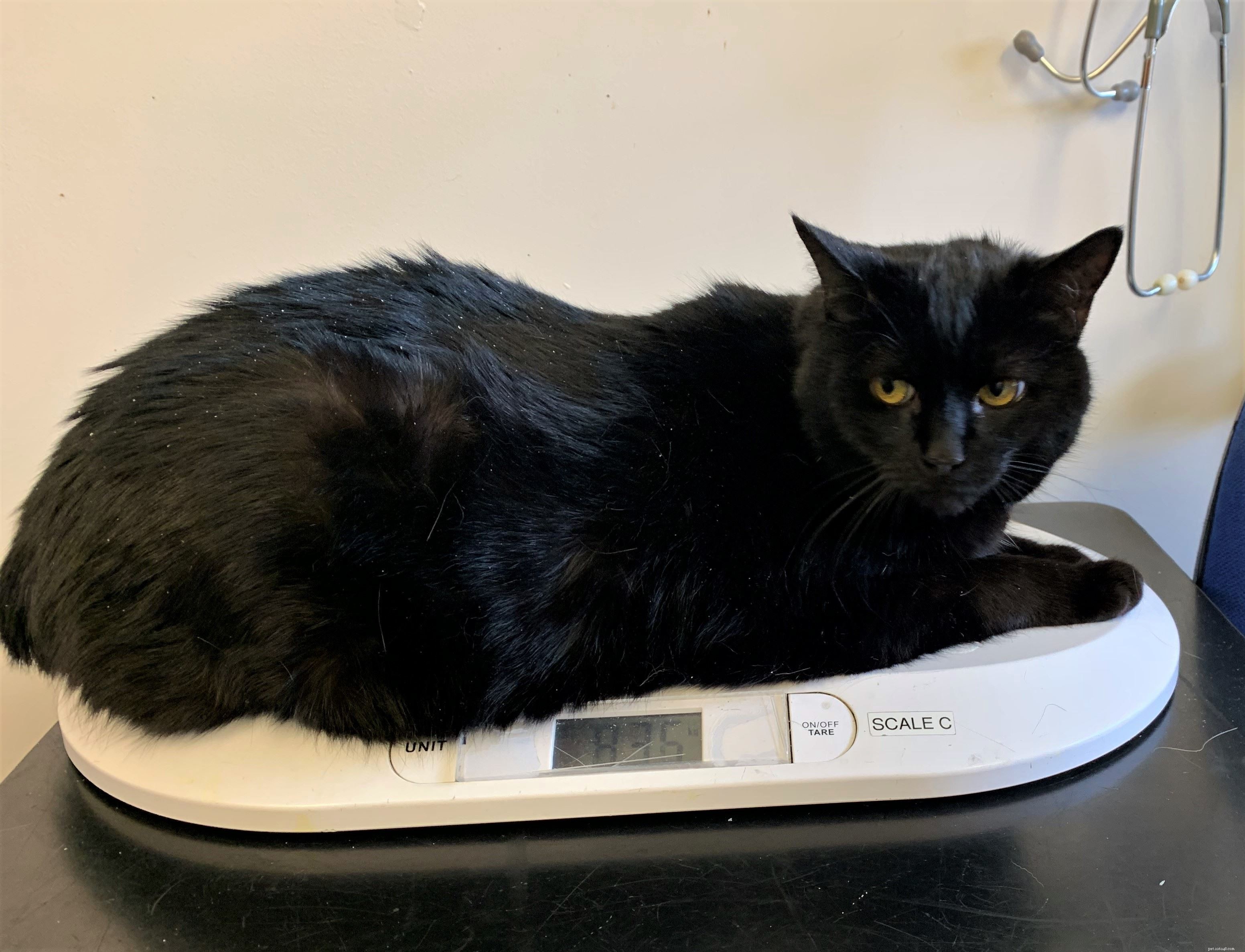
Chunky Colin tipped the scales at a weighty 8.8kg when he came into our Downham Market Adoption Centre; nearly twice the average weight of an adult cat. His owners moved and were unable to take him with them.
Now nine-year-old Colin has been placed on a special portion-controlled diet and exercise programme using toys and supervised play in a bid to help him slim down to a more reasonable 6.5kg as a starting point for further managed loss.
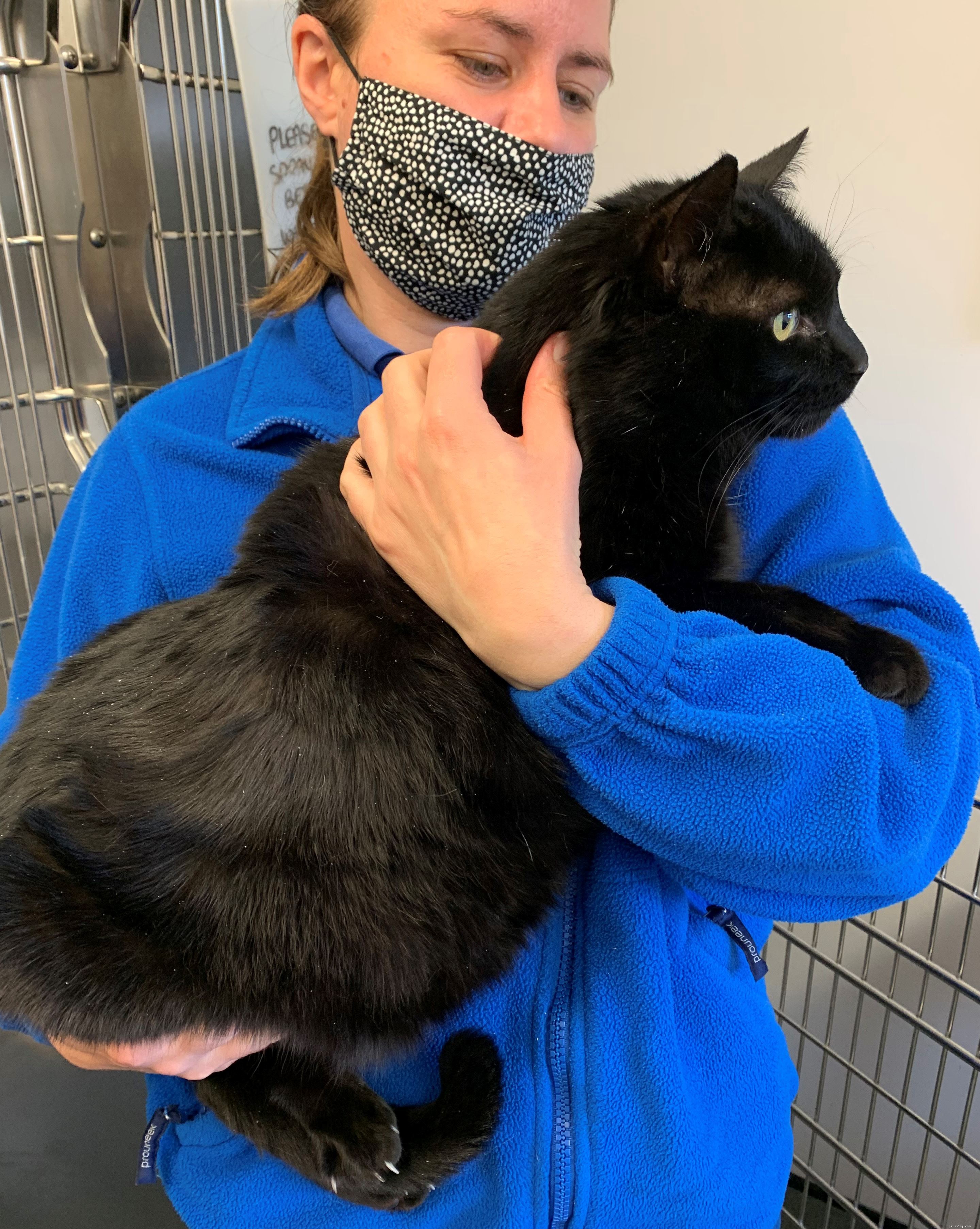
Not only will this cut the risk of Colin developing health issues such as diabetes, joint problems and heart failure, it will also mean he can undergo dental work requiring anaesthetic, which cannot be done safely until he has lost weight.
Once the team at the centre are happy with his weight loss, Colin will be looking for a new owner who can help him stick to his healthy living programme and keep the weight off.
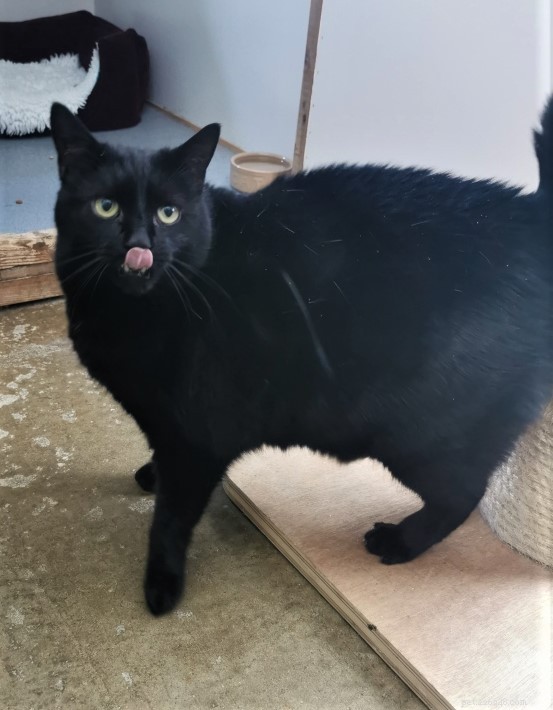
Senior Cat Care Assistant Becky Piggott said: “We’re looking for someone who can take on the role of personal trainer to help Colin maintain his weight and fitness goals. He’s adorable but he’s a lazy boy who isn’t a fan of exercise. We’re not talking boot camp but Colin will need encouragement to do any exercise at all so we’re looking for an owner with time to commit.
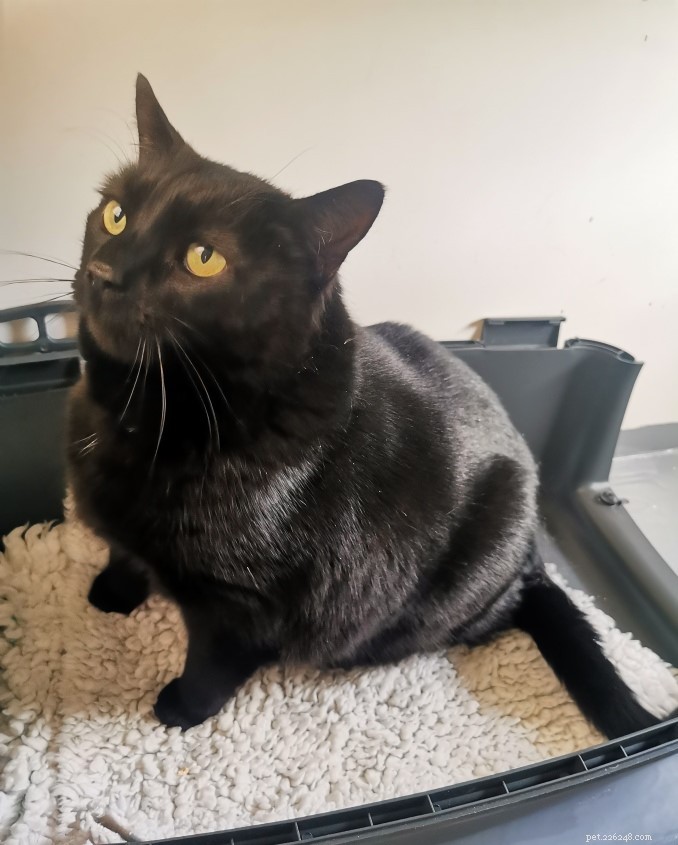
“Colin’s previous owner said that he has always been a big cat, but I suspect that being at home more during lockdown meant that they were giving him extra treats. Colin loves his food a bit too much so he wasn’t going to say no. But if Colin can lose some weight and keep it off, he’ll lead a happier, healthier life.”
At least 3.2 million owned cats in the UK are overweight, according to our CATS (Cats And Their Stats) survey of over 6,300 cat owners, carried out in 2020.
Cats Protection Central Veterinary Officer Sarah Elliott said: “Our survey suggests that while most cat owners have a strong bond with their cat, they may be tempted to over-indulge their cat with food or treats.
“Owners may do this out of love or to make their feline feel like a family member. Sadly we are doing them more harm than good as overweight cats are at significant risk of diabetes, joint problems and urinary infections.”
How to help your cat lose weight
- Weigh out cat food daily, try not to overfill bowls, and if giving your cats treats, reduce the overall amount of food you provide them
- Avoid giving your cat human treats such as milk or cheese as many cats cannot digest cow’s milk products
- Ask neighbours to help by not feeding them. This is especially important if your cat is on a special diet or medication. Consider affixing a simple paper collar to your cat stating that your cat is on a diet and politely requesting neighbours to avoid putting out food
- Talk to your vet about your cat’s weight and body condition
For more tips for helping overweight or obese cats, visit https://www.cats.org.uk/help-and-advice/diet/cat-obesity
- Pet Behavior
- Pet Breeds
- Pet Names
- Pet Adoption
- Pet Training
- Cat Stories
- Pet Health
- Adorable Pets
- Cats
- How to Help Your New Dog Feel at Home: A Step‑by‑Step Guide
- New Year, New Beginnings: 5 Essential Resolutions for Your Cat's Health & Happiness
- New Year, New You: Volunteer with Cats Protection to Help Cats & Grow Your Skills
- Mother Cat and Kittens Rescued from Roadside Mushroom Box in Cornwall
- Rescued Cat Finds Loving Home After Owner's Death
- Henry Finds Loving Home to Maintain Healthy Diet & Outdoor Exercise
- Essential Gift Guide for New Cat Owners