

Does Your Cat Suffer from Hay Fever? Recognizing and Diagnosing Pollen Allergies in Cats
As spring arrives and hayfever sufferers experience the onset of runny noses, itchy eyes and lots of sneezing, you may be wondering if cats get hayfever too.
As they explore the garden and surrounding neighbourhood, cats will no doubt come into contact with pollen, and some may have an allergic reaction.
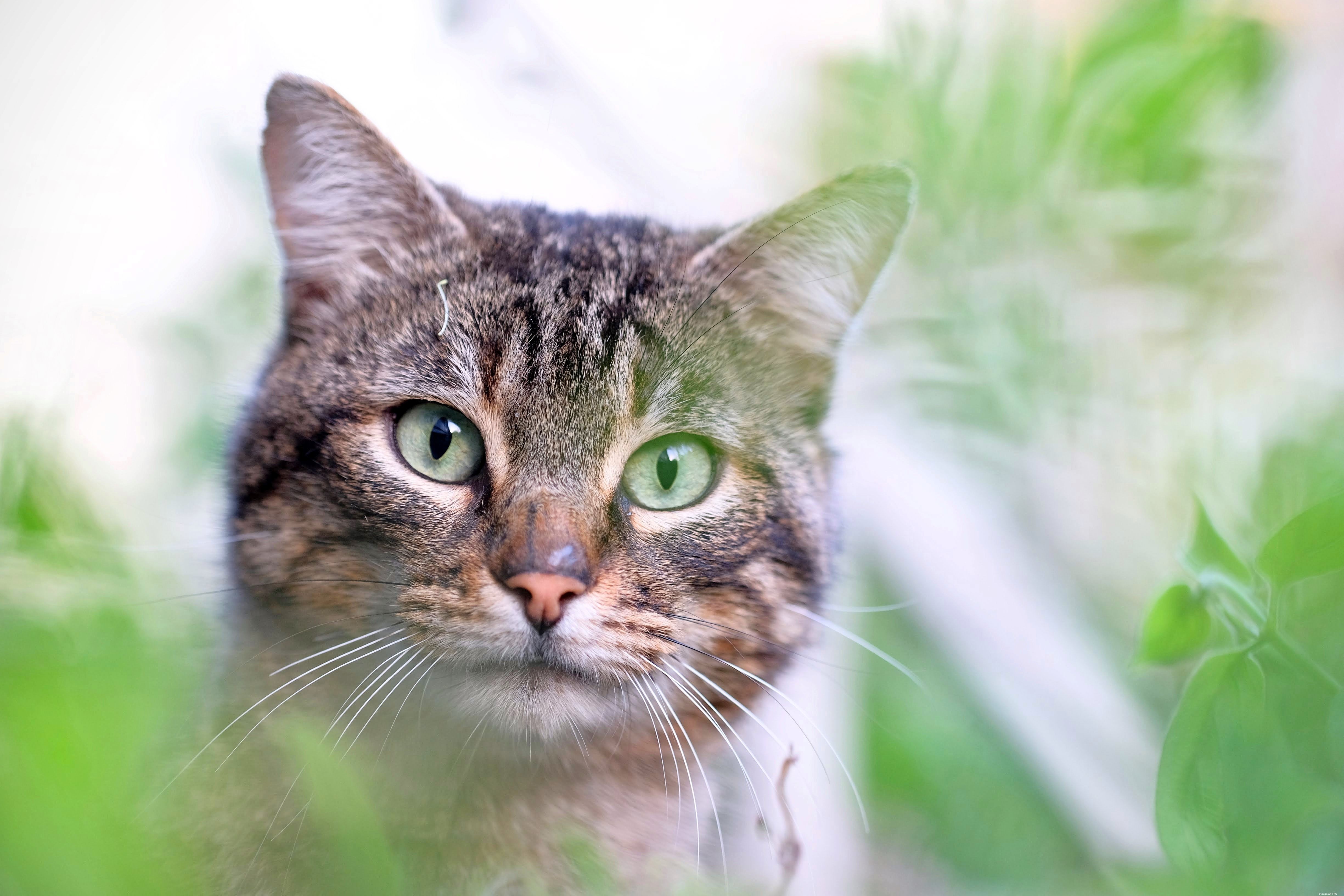
However, rather than coughing and sneezing, cats with a dust or pollen allergy (also known as atopy) will usually experience itchy skin (also known as pruritus) as their main symptom.
Itchy skin disease can be the result of a wide range of things however, most commonly fleas, so it can be difficult to determine whether hayfever is the cause.
Hayfever is typically diagnosed in cats by first ruling out other potential causes, including fleas and food allergies. Allergy testing can be performed by a vet, but the results are often unreliable.
Luckily hayfever seems to be quite rare in cats, but if a pollen allergy is diagnosed successfully, then life-long medication can be prescribed to ease the symptoms.
Signs of skin disease in cats
If you notice any of the following symptoms in your cat, take them to a vet who will try to find the cause and offer suitable treatment.
- Skin wounds which may also be moist, oozing or discharging
- Irritation of the ears – leading to shaking of the head or scratching at the ears
- Itchiness which leads to scratching and biting
- Redness of the skin
- Spots or scabs
- Crusting and dandruff
- Ulcers
- Lumps
- Baldness
- Colour changes
- Matting of the hair
- Excessive grooming
- Possible vomiting of hair balls or constipation – due to overgrooming
- Disorders affecting the feet – such as the claws, nail beds or pads – which may lead to limping
Common causes of skin disease in cats
- Fleas – Fleas are the most common cause of skin disease in cats. Many cats can live with fleas and experience no symptoms, but others may be allergic and develop itchy skin. Luckily fleas can be kept at bay so consult your vet for the most effective treatment for your cat.
- Food allergy – Chemical reactions to food or to additives and preservatives can cause itchy skin in cats. It can be difficult to determine what ingredient in their food cats are allergic to, so speak to your vet about switching to a different or ‘hypoallergenic’ diet to find the best fit for your cat.
- Dust or pollen allergy (atopy) – As mentioned above, dust and pollen allergies are not as common in cats and are difficult to diagnose, but it could be a cause of their itchy skin. Speak to your vet about ruling out other possible causes first and then discuss suitable treatment.
- Insect bites and mites – Ear mites, harvest mites and bites from fleas, midges, flies and mosquitos can result in skin irritation. Flying insects will typically bite hairless areas, such as the nose and ears, but if you notice any signs of itchy skin then take your cat to the vet.
- Infections – Bacterial infections or fungal infections, such as ringworm, can cause skin disease, and your vet should be able to identify these when examining your cat and provide appropriate treatment.
To read more about what makes cats itchy and learn about other skin disorders affecting cats, take a look at our guide.
- Pet Behavior
- Pet Breeds
- Pet Names
- Pet Adoption
- Pet Training
- Cat Stories
- Pet Health
- Adorable Pets
- Cats
- Cats and the Common Cold: Symptoms, Causes, and Care Tips
- Understanding Cat Coughing: Causes, Symptoms, and Effective Treatments
- Cat Constipation Explained: Causes, Symptoms, and Effective Treatments
- Understanding Cat Lethargy: Causes, Symptoms & Effective Treatments
- Cat Gastritis Explained: Causes, Signs & Effective Treatments
- Are Cats Susceptible to Allergies from Dogs? What You Need to Know
- Understanding Cat Mange: Causes, Symptoms, and Effective Treatments