

Tonkinese Cat: Traits, History, and Care Guide
- Characteristics
- Breed History
- Training and Care
- Common Health Problems
- Diet and Nutrition
- Further Research
Love the Siamese and the Burmese, but only have space for one cat? You’re in luck—the Tonkinese cat is the best of both worlds. Smart, sweet, and social, the Tonkinese is a cat lover’s dream. The Tonkinese is bred by crossing the Siamese and the Burmese, producing a beautiful pointed cat with softer, diluted colors and a stunningly unique personality.
The Tonkinese is unique in the sense that they have no extreme features, physically or otherwise. The breed was created to suit the desires of Siamese and Burmese cat owners who wanted a distinct cross of the two breeds.
Breed Overview
Weight: Between six and 12 pounds
Length: Varies greatly
Coat: Short
Coat Color: The Tonkinese comes in a variety of color combos. Base colors are platinum, champagne, blue, and natural; patterns are solid, mink, and point.
Eye Color: Blue, aqua, or yellow-green
Life Expectancy: 12 to 16 years
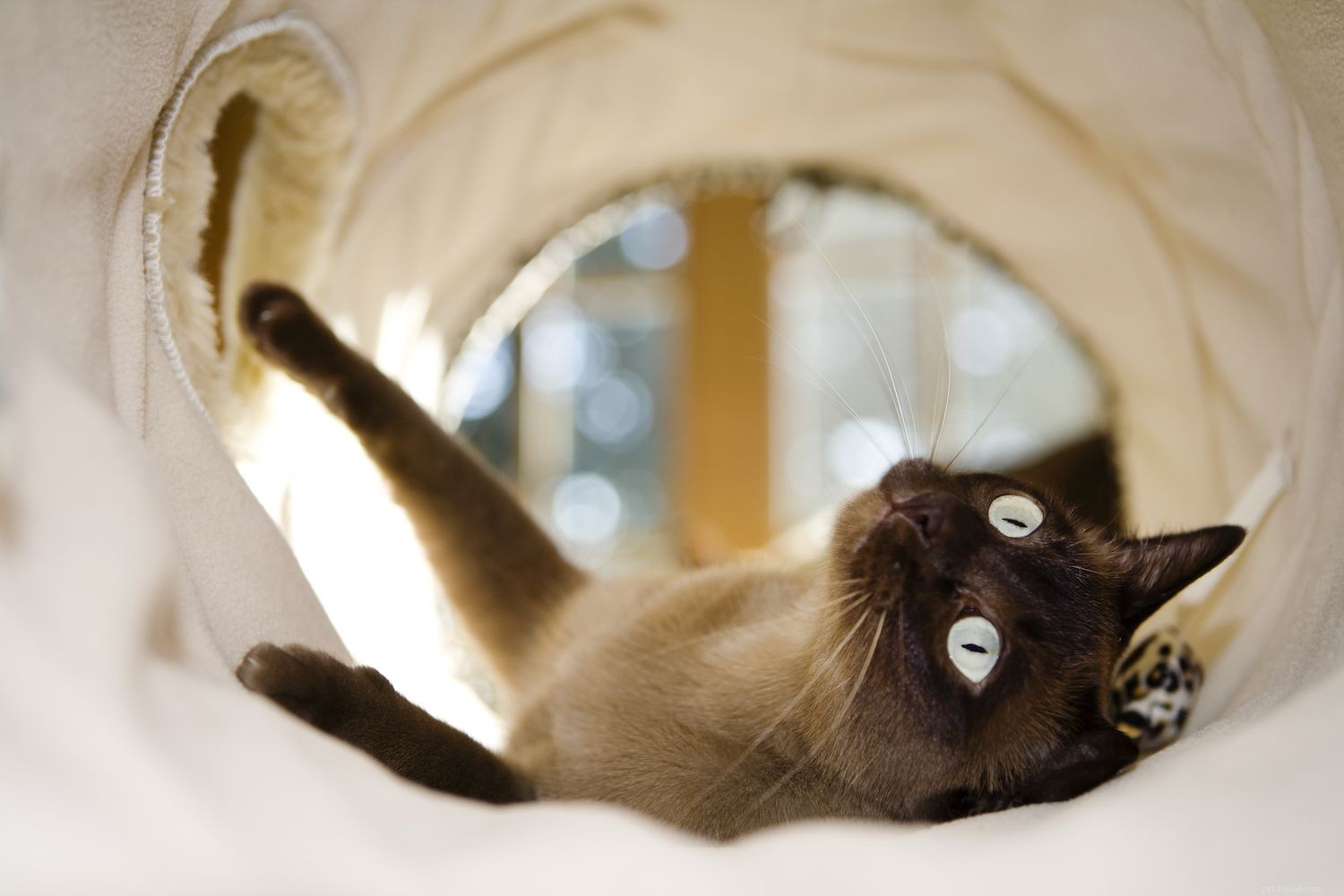
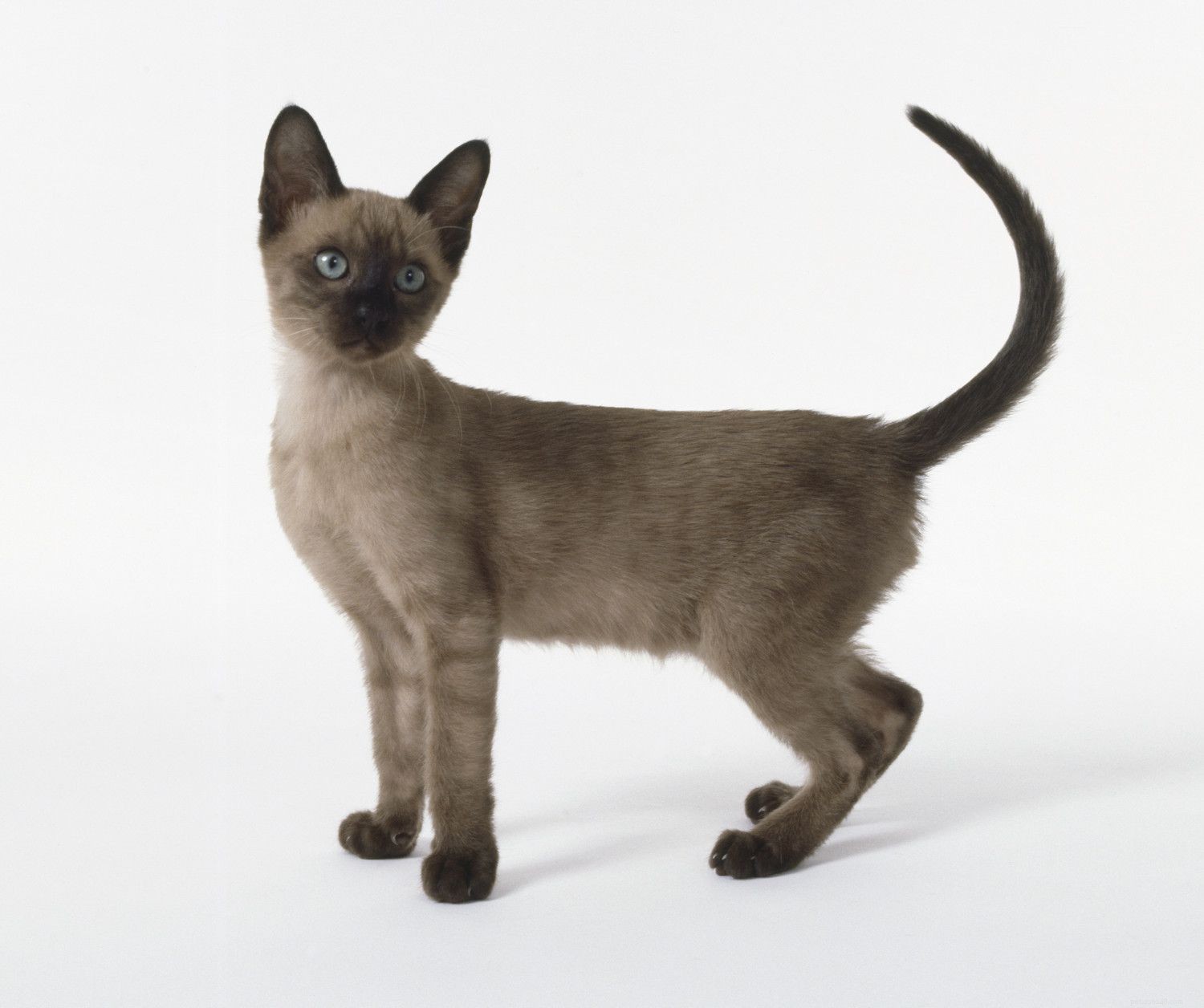
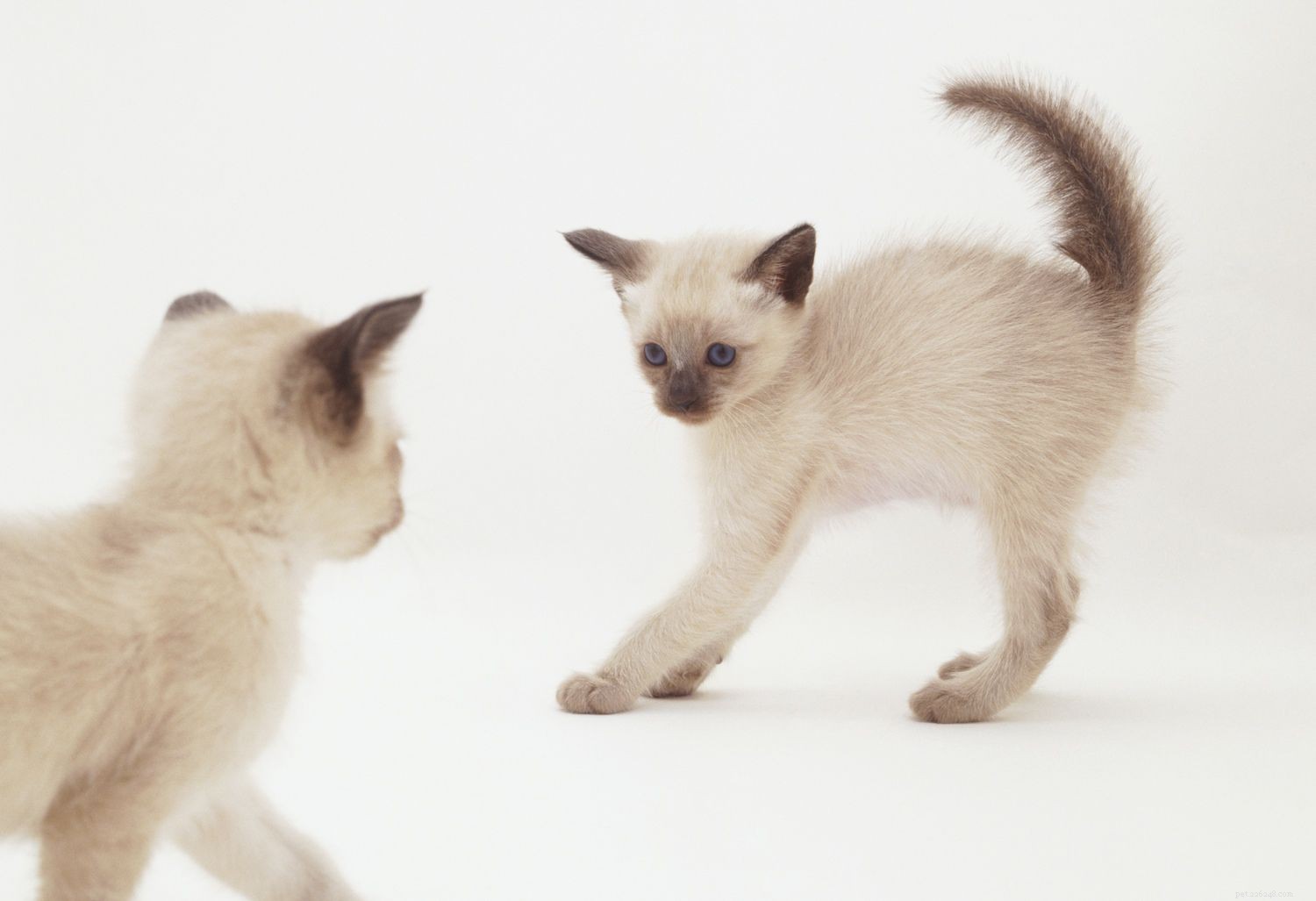
Characteristics of the Tonkinese Cat
History of the Tonkinese Cat
The Tonkinese came about because Siamese and Burmese fanatics wanted a cat with the same traits, but at a moderate level. The Tonkinese is active and playful but doesn’t need extra stimulation to be happy. They like to chat and chirp at times but aren't as vocal as their Siamese mother. Even their stature is a perfect combination; the short and stocky Burmese contributes to their bulk, but the lanky Siamese gives them some height and agility.
The Tonkinese first arrived in the U.S. in the 1930s. The same female cat who founded the Burmese breed in the U.S., Wong Mau, contributed to the Tonkinese breed; some Tonkinese lines can be traced back to Wong Mau today.
Tonkinese Cat Care
The Tonkinese is a breeze to care for. With a short coat that requires minimal upkeep, grooming is a rare necessity. Regular play is all they need as far as exercise goes, and occasional puzzle toys wouldn’t go amiss.
Unlike many cats, the Tonkinese is extremely social and loves human attention. If you’re looking for a kitty who can be happy at home alone while you work long hours, the Tonkinese isn’t right for you. They want to be with you as much as possible and make a great companion.
Because the Tonkinese is prone to gingivitis, you should start brushing their teeth when they're a kitten so they get used to it over time. You can also look into water additives to help keep their pearly whites clean and healthy.
Moderate as always, the Tonkinese is a cat with a balanced personality. They're intelligent and active, but they don't bounce off the walls or engage in much mischief. They speak when spoken to, but don't vocalize their every move. They love to play, but is always down to hop in your lap for a snuggle sesh.
The only trait of the Tonkinese that isn’t moderate is their level of affection. The Tonkinese loves people and is well-known as an extremely loving lap cat. Families with young children who need a tolerant, playful cat to complete their home would get along perfectly with the Tonkinese.
If you don’t have other pets in the home, consider a second kitty—the Tonkinese loves to have a playmate and companion when their human is away. If you do have other pets in the home, you can look forward to the Tonkinese making animal buddies right away.
Common Health Problems
Though the Tonkinese is generally healthy, they are sometimes more prone to dental disease and feline lower urinary tract disease (FLUTD).
FLUTD causes cats discomfort or pain when urinating. It’s common in overweight cats but some breeds, like the Tonkinese, are affected by it more often. Signs that your Tonkinese may have FLUTD include:
- Straining to urinate
- Frequent urination
- Vocalization while urinating
- Urinating outside the litterbox
Other illnesses that the Tonkinese may be at higher risk for include inflammatory bowel disease (IBD) and excess protein deposits in their organs. IBD causes gastrointestinal discomfort, nausea, diarrhea, and vomiting.
Excess protein deposits usually affect the liver in Tonkinese cats; due to a fault in Siamese lines, the bloodstream lets out too much amyloid protein in an organ. Signs and symptoms include lethargy, lack of appetite, vomiting, yellowing eyes and/or skin (jaundice), and swelling of the limbs.
Regular vet visits and a proper diet are essential to maintaining the health of any cat, so make sure your Tonkinese gets annual exams and stays up to date on shots.
Diet and Nutrition
Like many cats today, the Tonkinese is at risk for obesity and should be fed an appropriately balanced diet. You should also take other risk factors into mind when deciding on the right food for your Tonkinese.
There are a number of foods that focus on dental care, balancing urine pH to help prevent bladder stones and FLUTD, and weight management foods. Ask your vet for recommendations for the best food for your cat.
More Cat Breeds and Further Research
Interested in learning about other purebred cats? If you like the Tonkinese, check out these breeds:
- Siamese
- Burmese
- Balinese
Otherwise, check out all of our cat breed profiles.
- Pet Behavior
- Pet Breeds
- Pet Names
- Pet Adoption
- Pet Training
- Cat Stories
- Pet Health
- Adorable Pets
- Cats
- Birman Cat Breed Profile: Traits, Care, and Health Guide
- Chartreux Cat: Breed Profile, History, Care & Health
- Bambino Cat Breed: Features, History, Care & Adoption Guide
- Cymric Cat: A Comprehensive Breed Profile – History, Care, and Health
- Elf Cat: The Rare Hybrid of Sphynx and American Curl – Breed Profile & Care Guide
- Serval Cat Profile: Breed, Care, and Adoption Guide
- Tonkinese Cat Breed Profile: Traits, Care, and Characteristics