

Prevent Furniture Damage: Proven Ways to Stop Cats from Scratching
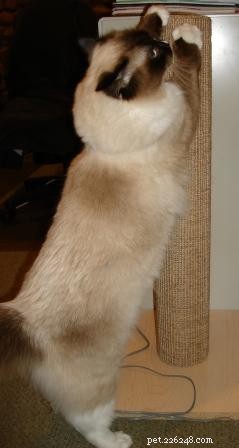 Scratching is a natural routine for cats. They scratch when stretching, to slough off old claws, for emotional release, for play, and for a variety of other healthy reasons. Unfortunately, this scratching is at odds with most pet owners’ desire to protect their furniture, so Ragdoll cat owners have come up with a variety of creative ways to channel their cats’ scratching energy away from their furniture and towards other outlets like scratching posts.
While there are a variety of ways to prevent cats from tearing up your furniture, one tactic to avoid is declawing. Declawing is extremely painful for cats and can leave them with serious physical and emotional cat health issues for life. Here are some other strategies to try with your cat instead of having them declawed.
Scratching Posts
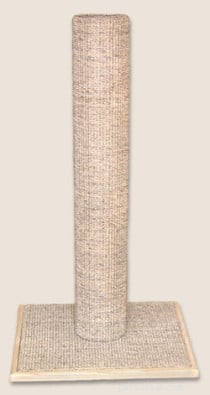
Finding a good scratching post and training your cat to use it is the key to preventing them from ruining your furniture. Remember that there are a variety of scratching post options out there. Here are a few different characteristics of scratching posts to vary and experiment with:
- Horizontal, vertical, or slanted posts – try the TopCat Scratching Post and see others in our cat product shop
- Cardboard, carpeting, sisal, wood, or upholstery posts – You can see the scratchers we love and have reviewed in our shop.
- Vertical or horizontal grain posts
- Real logs with bark
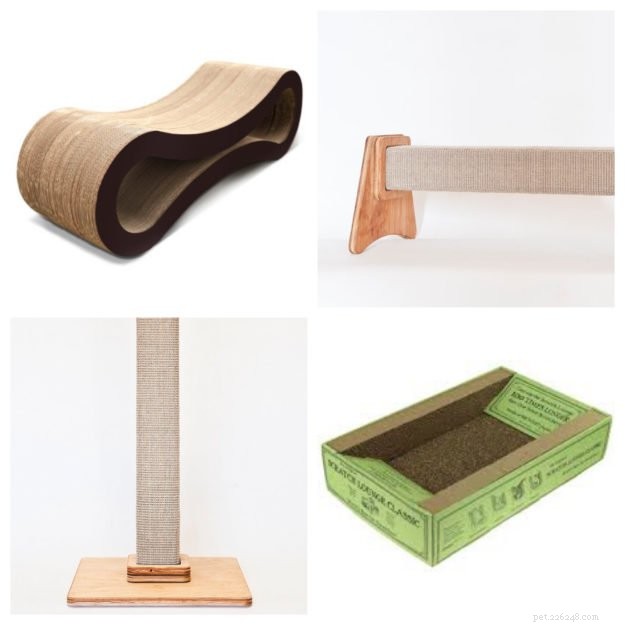
Play around with different types of materials until you find what your cat likes. Remember that most cats like tall posts so that they can stretch out fully, and they need something sturdy that won’t fall over when they jump on it. It might be tempting to throw away an old, unsightly scratching post, but remember that cats like things that are worn in, so this could drive them back to scratching furniture. You will also want to put your scratchers in a variety of locations, particularly near entryways like doors and hallways.
You can use a few different techniques to train your cat to use a scratcher. For example, you can put them in a room with just scratchers, then go in and reward them with a treat when you hear scratching. You can also demonstrate to a cat using your own nails how to scratch the post, then gently hold their paws to mimic that motion. Be careful not to force it if your cat doesn’t want you to guide their paws, as this could turn them off from the scratching post altogether.
Furniture Protection
Another step you can take is protecting your furniture. You can get furniture covers from places like Bed, Bath & Beyond, or you can make your own furniture protection by gluing roping to a cheap end table, or covering furniture in clear vinyl or upholstery corkscrew pins. This might not be the most attractive solution, but it could be a good temporary way to preserve your furniture while you are training your kitty to use a scratching post.
Claw Control
You can also keep your kitty’s claws from doing harm by regularly trimming them, which will dull their them and temporarily lessen the cat’s desire to scratch. Another thing you can do is put claw caps on their claws, such as SoftPaws. You can have these put on somewhere like your vet’s office so that you don’t accidentally damage your cat’s claws.
How to Keep Cats From Scratching Furniture Home Remedies
If you catch your cat in the act of scratching or want to preemptively make the furniture unattractive to them, here are a few techniques to try:
- Rubbing Vicks Vapor Rub on the furniture legs
- Putting orange peels around the furniture
- Spraying with a water spray bottle
- Scentmarkers
- Using noisemakers like a can of pennies to startle them
You can also try to do this with a firm “no” to begin to train your cat to respond to verbal commands.
Rewards
Make sure you reward and entice your kitty to use scratching posts. Give them treats for good behavior, or put catnip on a scratching post to appeal to them. It is also helpful to play with your cat regularly, which will help them release stored energy with you instead of on your furniture.
Spay/Neuter Your Cat
Spaying or neutering can also be a way to decrease scratching habits, since scratching can be a sign of territory; cats have scent glands on their paws that they use to mark areas.
Jackson Galaxy also has a lot of instructional videos and tips for training your cat not to scratch furniture.
Scratching furniture is a natural, healthy practice for Ragdoll kitties, and one that you want to redirect rather then discourage entirely. Put some time into finding the right scratching post for your cat, then training them to use it regularly.
What tips do you have for stopping your cat from scratching furniture?
- Pet Behavior
- Pet Breeds
- Pet Names
- Pet Adoption
- Pet Training
- Cat Stories
- Pet Health
- Adorable Pets
- Cats
- How to Keep Your Furniture Safe: Stop Cats from Scratching
- Stop Cats from Scratching Furniture: Proven Tips for a Damage-Free Home
- Stop Cats from Scratching Furniture: Humane & Proven Solutions
- Stop Cat Furniture Scratching: Expert Tips for Ragdoll Cats
- Stop Your Cat From Scratching Furniture: Proven Techniques That Work
- Effective Ways to Stop Cats From Scratching Your Furniture
- Keep Your Furniture Safe: Expert Tips to Stop Cats from Scratching