

Best Chicken-Free Cat Food for Allergic Felines
Several weeks ago, we got a question on our Facebook page about the best cat food for cats with chicken allergies. If your cat suffers from a food allergy, then you have to go the extra mile to find cat food that does not include the allergen among the ingredients. In the case of chicken allergies, this can be particularly challenging because a very large part of cat food recipes include chicken. However, there are some very good chicken-free options that you can get for your cat. These will provide it with the nutrients it needs without sparking its allergies. We will list some good options in this article to give you a few ideas.
Food Allergies
Food allergies in cats are very common. They are abnormal immune-mediated reactions to an antigen in the food. The cat’s immune system has a very violent reaction, also known as an allergic reaction, to a protein found in the food. Cats may develop a food allergy early on, while they are still kittens or later in life.
What is Chicken Allergy?
A chicken allergy occurs when the cat displays an allergic reaction to the protein found in chicken meat. The reaction is present whether they eat a smaller or larger quantity of chicken and goes away when they do not eat any chicken at all.
Symptoms of Chicken Allergy in Cats
The most important symptom in chicken allergies is chronic itching, which causes complications. The affected areas are the ears, the face, the belly and groin, the armpits and the legs. The itching is chronic because it is generated by the allergic reaction fueled by the food the cat is getting. While the cat is on a chicken diet, the itching is continuous.
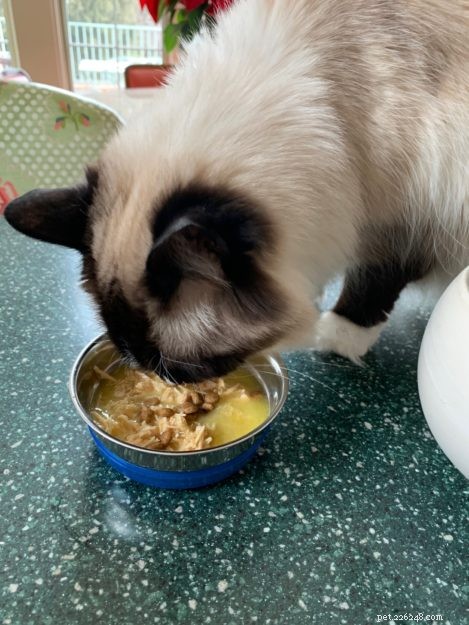
The complications of the chronic itching are irritability, skin inflammation, and even lesions caused by the overgrooming and scratching. You will notice that the cat’s skin is red in the affected areas and you may see bald spots where the cat has scratched or groomed excessively. Sometimes, when the itching is so bad, the cat scratches so intensely that it causes abrasions or other wounds. When left untreated, the lesions can get infected.
Aside from the dermatological symptoms, some cats also develop gastrointestinal symptoms like vomiting and/or diarrhea. The allergic reaction causes the cats to have more frequent bowel movements, which causes discomfort to the cat. After several diarrheic instances, the inflammation in the digestive tract increases, and the cat will strain while defecting. The rectum will also become inflamed and the cat may display scooting, as it tries to deal with the itching in the area.
Causes of Chicken Allergy in Cats
The cause for food allergies is not yet known, but the mechanism by which they occur is, which means that they are manageable. The veterinarian must assess the cat, treat the symptoms, and prescribe a chicken-free diet that suits the cat.
Diagnosis of Chicken Allergy in Cats
When cats with chicken allergies go to the vet, they display the symptoms mentioned above – chronic itching, skin inflammation, sometimes abrasions and other wounds, sometimes complicated with infections. Some cats also display vomiting and/or diarrhea. These symptoms are not characteristic of only chicken allergies, or even food allergies. There are several other conditions that might cause these symptoms, such as bacterial infections, parasites (internal and/or external), and even other allergies.
At this point, a food allergy is only one of the suspected causes and the doctor must rule out the other potential causes to make a diagnosis. The next step is a food trial, which can point specifically to a food allergy. The cat’s diet is changed to a special diet, a hypoallergenic diet, which will not entertain the allergic reaction. The cat must stay on this diet for 6-8 weeks, during which, the symptoms will disappear if the cat suffers from a food allergy.
Aside from the food trial, the vet will also run blood tests and perform other investigative examinations such as a parasitological exam (skin and fecal exam). The doctor will also treat the cat’s wounds, if present.
The Food Trial
The most common diet prescribed in this case is a hypoallergenic or hydrolyzed protein diet. This is a special type of food in which the proteins have been broken down to a size small enough for the cat’s immune system to react to.
In other cases, when administering this diet is not an option for any reason, the vet may prescribe a home-cooked or a commercially-available diet, but one that does not contain the type of protein found in the diet that the cat has had when the symptoms occurred. For instance, if the cat has been eating a diet based on chicken and fish protein, the doctor will prescribe a diet based on beef. However, the hypoallergenic diet is the preferred option, precisely because it is made to not trigger any allergic reaction, while the diet with the new protein may still trigger one and extend the diagnostic process.
Whether the cat is on a hypoallergenic diet or another type of diet prescribed by the vet, it is absolutely essential that it eats only that diet and nothing else. Keep in mind that this is a diagnostic process and anything else that you include in the cat’s diet will interfere with it. This means that for the 6-8 weeks of the food trial, you shouldn’t give your cat treats, wet food, anything else aside from the prescribed diet. Be vigilant and make sure that there’s no way that the cat can steal food from the house.
During the food trial, your vet will monitor the cat. If the cat does suffer from a food allergy, you will notice an immediate improvement in its symptoms once the diet has changed. After a couple of days, the itching subsides, the stools become more and more solid. This does not happen, however, if the cause is a bacterial infection, for instance, in which case the diarrhea would continue to get worse.
At the end of the food trial, a cat with food allergies will not display any symptoms. The next step is identifying the protein that causes the allergy. To do this, the vet will reintroduce meat in the cat’s diet, along with the hypoallergenic diet. The protein must be tried one at a time. If the cat had been on a diet based on chicken and fish when the symptoms were present, for instance, the vet will introduce either chicken or fish in the diet. If the cat displays symptoms of an allergic reaction after the chicken has been reintroduced in its diet, then the diagnosis is chicken allergy.
Treatment of Chicken Allergy in Cats
A chicken allergy cannot be cured, but it can be managed. Cats suffering from chicken allergies must stay on a chicken-free diet their entire lives. If chicken is reintroduced into their diet, the symptoms will reappear, so this type of protein must be avoided. The main part of the treatment is adjusting its diet to be chicken-free and there are plenty of options available.
Recovery of Chicken Allergy in Cats
As long as the cat stays on a chicken-free diet, it will not display any allergy symptoms. If the cat does display food allergy symptoms while on a chicken-free diet, it must go back to the vet because it may also be allergic to another protein and that needs to be identified. But cats with chicken allergies can live an itch-free life with the correct diet.
How do you know if your cat is allergic to chicken?
One of our readers said “Constant diarrhoea is another sign for us. Soon as we take out tuna, kibble and chicken we see a rapid change to normal litterbox habits.” If a cat develops a food allergy, it will also display symptoms. The most noticeable one is persistent diarrhea. This type of diarrhea is maintained by the presence of the allergen (the chicken). As long as the cat eats chicken, it will also have diarrhea. And because the cause is not bacterial, it will not respond to antibiotics or other medicine that is generally used to treat diarrhea. It may improve with anti-diarrhea medication, but it does not go away while the allergen is still present. In fact, the challenge is actually identifying the allergen.
When a food allergy is suspected, the cat must first go on a hypoallergenic diet. This will improve the diarrhea and it will give it a chance to regain its strength. Persistent diarrhea can be very dangerous because of the secondary symptoms – dehydration, the incomplete absorption of nutrients, weight loss, fatigue, dermatological issues (affecting the skin, the fur, and the claws). Once the cat is stabilized on the hypoallergenic diet, each type of meat is introduced individually. This is done over the course of a few weeks, maybe months. If the introduction of a type of meat is followed by an episode of diarrhea, then that is an allergen. Once it is identified (further tests may be performed to confirm the allergy), then that ingredient must be eliminated entirely from the cat’s menu. Please note that there may be more than one allergen causing the symptoms.
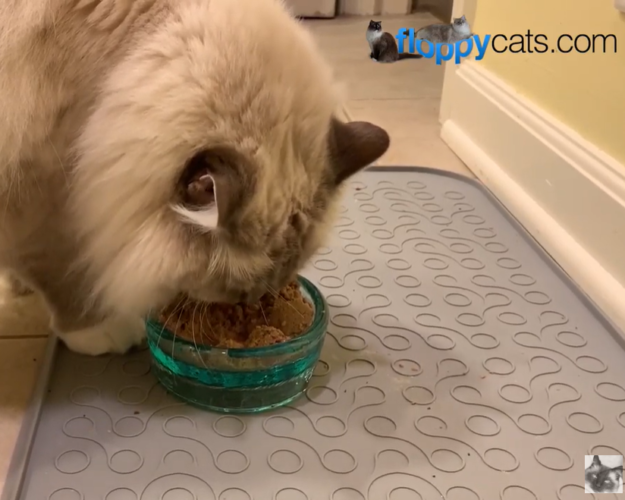
Another one of our readers said “For my Maxi it was vomiting more than normal, acne on the chin and ear infections. The vomiting or hairballs is normal but the amount that Maxi was vomiting was not.” While diarrhea is the most common symptom of a food allergy, it is not the only one. In some cats, the allergy may present with persistent vomiting. The response to anti-emetic medicine is positive only in the short term. As long as the allergen is present in the cat’s diet, then the vomiting persists. This can be very dangerous for the cat because persistent diarrhea also causes dehydration, weight loss, fatigue. The cat cannot absorb the nutrients in the food it eats and the body is weakened.
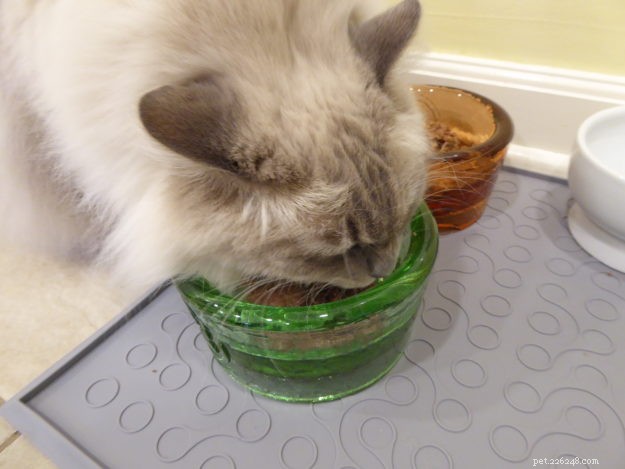
Unless the cat is hydrated and provided with the nutrients it needs intravenously, then the situation can become rather severe. However, with the treatment, the cat can bounce back quickly. In other cats, the food allergy presents with dermatological symptoms. Small areas on its body (its neck, behind its ears, on its head) become red and itchy. The fur comes off entirely and as the cat scratches, the areas get inflamed and bloody. This symptom is very common in the case of fish allergies. This is what another Floppycats reader wrote on our Facebook page – “We had to go to rabbit. And we realized that fish (including the ever-present fish oil) was also a trigger for him. So his diet got very limited very quickly.” While chicken is a common allergen, in some cases it is not the only culprit. Cats sometimes develop allergies to more than one type of food. The most important step is identifying these allergens. Then, you can research the available food options that do not include any of these items to keep your cat safe and healthy.
What Should You Feed a Cat with Chicken Allergies?
If your cat is allergic to chicken, then you have to make sure that you give it a completely chicken-free diet. There are plenty of healthy cat food options that you can choose from. All you have to do is check the ingredients. Please note that any food that has chicken in it should be eliminated altogether. Even foods that have chicken in small quantities might trigger an allergic reaction, which will make the diarrhea or vomiting come back. Chicken-free food will keep your cat healthy and it will provide it with the proper nutrients it needs.
Canned Food Options
Here are some chicken-free canned food options you can try out:
Ziwi Peak
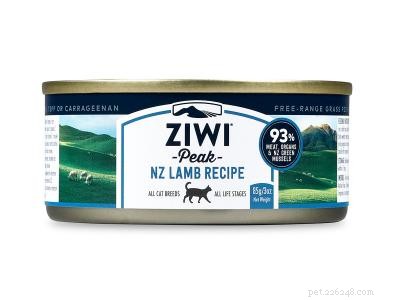
Ziwi Peak cat food comes from New Zealand, it is made from premium ingredients and it provides your cat with a complete meal. They have plenty of chicken-free options you can try out. It is a food I regularly feed Charlie and Trigg – we keep several of their flavors in our rotation.
- ZIWI Peak Lamb
- ZIWI Peak Mackerel & Lamb
- ZIWI Peak Rabbit & Lamb
- ZIWI Peak NZ Beef Recipe
- ZIWI Peak Hoki
- ZIWI Peak Mackerel
- ZIWI Peak Venison
- ZIWI Peak Provenance Otago Valley
- ZIWI Peak Provenance East Cape
The food from Ziwi Peak has superior ingredients and it is 100% natural. However, precisely because it is entirely natural, cats may prefer something tastier. If this is the case with your cat, then you can try alternating the Ziwi Peak food with other types of food. They have several flavors that do not contain chicken that you can try.
Feline Natural
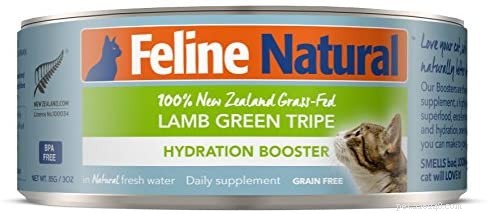
Another alternative for chicken-free cat food is the Lamb Green Tripe can from Feline Natural. This also comes from New Zealand, which means that the meat is entirely antibiotic-free. Their food is made from grass-fed, free-range lamb.
Nature’s Logic
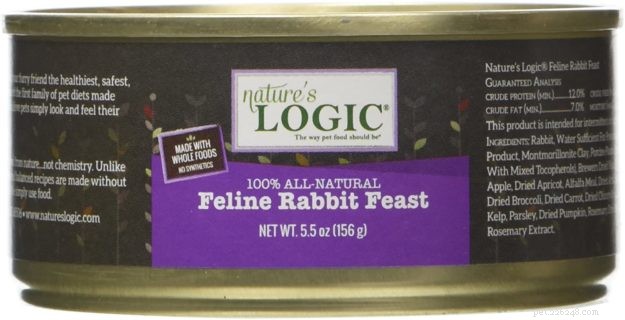
Made entirely with organic ingredients, the Feline Rabbit Feast from Nature’s Logic is a very good choice for cats with chicken allergies. It is made from muscle meat and organs and it is gluten and grain-free. You can also try their Feline Beef Feast, which has over 90% animal ingredients, or their Feline Turkey Feast.
Hounds and Gatos
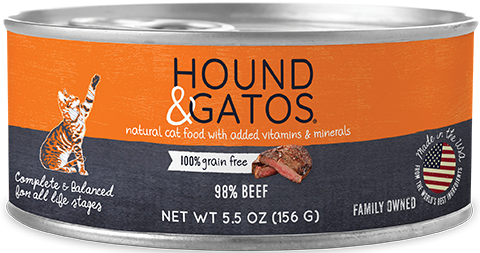
Another beef-based recipe is the Beef can from Hounds and Gatos. This is a limited ingredient recipe made from 100% animal protein and 0% grains. It is made with high-quality beef and it doesn’t have hidden chemicals.
Red Barn Naturals
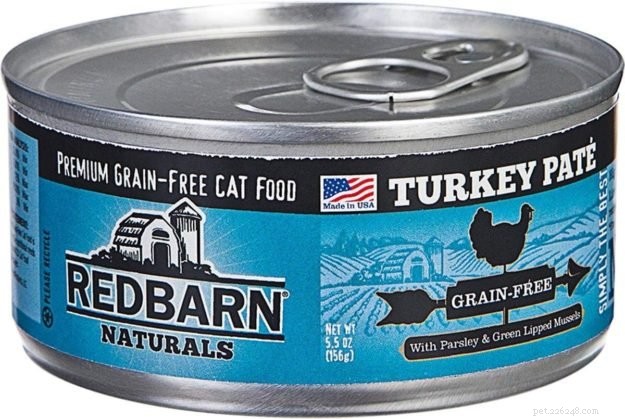
If your cat enjoys pates, then the turkey pate from Red Barn Naturals could make it to your regular list. This recipe also includes parsley and green-lipped mussels, which make it even more nutrient-packed.
Weruva
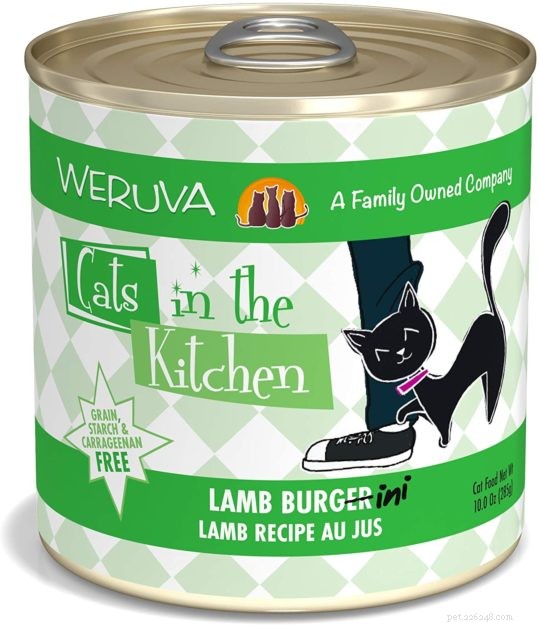
If you’re looking for chicken-free diversity in cat food, then you can explore the amazing recipes from Weruva. They have an impressive collection of canned cat food options (and pouches) and quite a few of them do not include chicken. Here are some of the options from Weruva:
- Tic Tac Whoa! – Tuna & Salmon Dinner
- Lamb Burger-ini – Lamb Recipe Au Jus
- Kitty Gone Wild – Wild Salmon Recipe Au Jus
- La Isla Bonita – Mackerel and Shrimp Recipe Au JusTwo Tu Tango – Sardine,
- Tuna and Turkey Recipe Au Jus
- Stewlander – Duck & Salmon Dinner in Gravy
- Mack and Jack – with Mackerel & Grilled Skipjack in Gravy
- Polynesian BBQ – with Grilled Red Bigeye in Gravy
- Asian Fusion – with Tuna & Shirasu in Gravy
- Meow Luau – with Mackerel & Pumpkin in Gravy
- Marbella Paella – with Mackerel, Shrimp & Mussels in Gravy
- Outback Grill – with Sardine and Sea Bass in Gravy
Tiki Cat
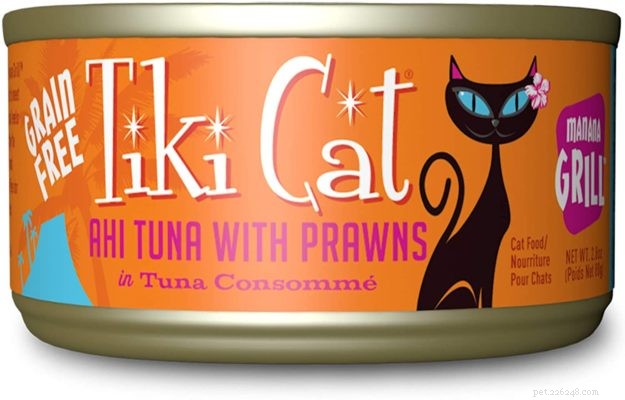
The recipes for Tiki Cat food are meat-based and they are all inspired by cat’s natural prey diets. They are high in protein and grain-free, low or no carbs, and made from real natural ingredients. They have several collections of canned food you can explore. The Grill collection is entirely based on fish, so there are plenty of delicious options here. The Luau collection has quite a few fish-based recipes.
Only Natural Pet
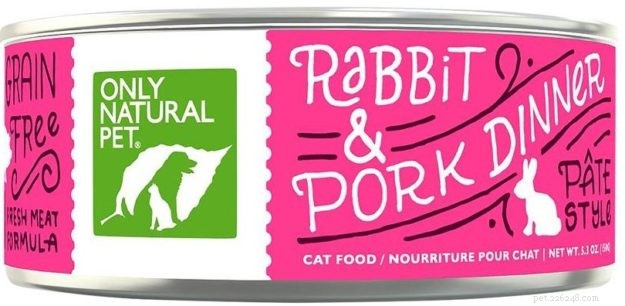
If you’re looking for something else than fish, then you can try the rabbit and pork canned food from Only Natural Pet. Made from all-natural ingredients and completely chicken-free, this recipe also comes with a highly-palatable and hydrating broth.
Instinct Limited Ingredient Diet
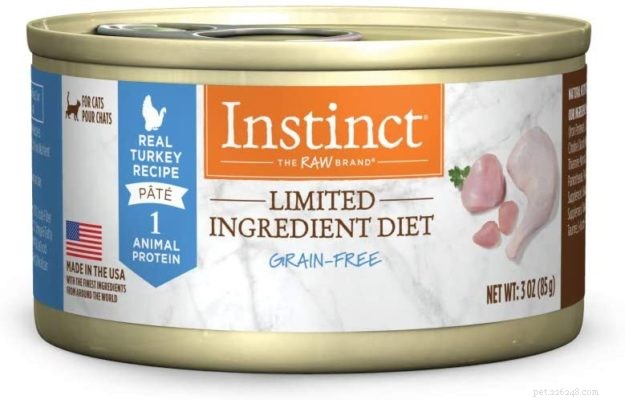
This type of cat food from Instinct is made specifically for cats with food allergies. Their recipes are based on one central ingredient to make it a good choice for cats that are allergic to one or even several types of meat. The Limited Ingredient canned food has a turkey, a duck, a rabbit, and a salmon-based recipe you can try out.
Merrick Limited Ingredient Diet Can Cat Food
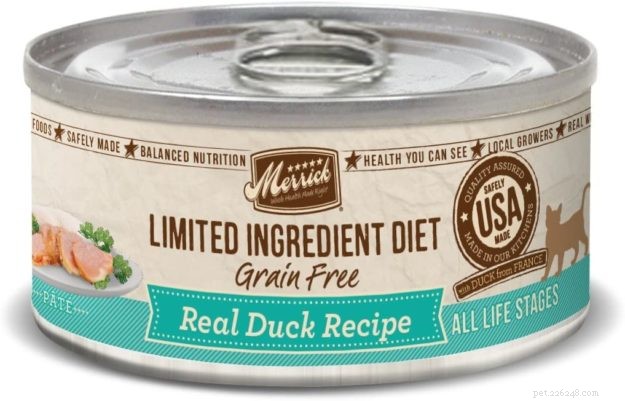
Another limited ingredient canned food option comes from Merrick. You can try their duck, salmon, or turkey recipes, which are all safe for cats with chicken allergies. These are also rich in omega 3 and 6 fatty acids, which are very healthy for your cat. Do you know of other cans of food that don’t have chicken that aren’t listed here? Does your cat have a chicken allergy? When did you discover it? What do you feed your cat? Tell us all about it in the comments section below.
- Pet Behavior
- Pet Breeds
- Pet Names
- Pet Adoption
- Pet Training
- Cat Stories
- Pet Health
- Adorable Pets
- Cats
- Effective Home Care Tips for Managing Cat Vomiting
- Top Cat Food for Urinary Health: Prevent Crystals & Stones
- Top-Rated Cat Food for Managing Hyperthyroidism: Safe, Nutritious Options
- Can Cat Food Harm Your Dog? Understanding the Risks
- Top Cat Food Choices for Managing Food Allergies
- Top Allergy‑Friendly Cat Foods of 2022: Expert‑Recommended Choices
- What Causes Your Cat to Constantly Ask for Food—and How to Address It