

Understanding Why Cats Growl: Insights Into Their Communication
Why do Cats Growl? Dressing up your roaring cat is a blessing to every owner. It’s a sign that she’s happy, trusts you, and feels calm on your knees, she enjoys your care and attention, but is it really?
We all know that cats express their feelings by muttering, just as we smile when we feel happy, and dogs wag their tails. However, with moans, cats do not always express satisfaction – the big secret is why they murmur and how they emit this mysterious sound.
Previous research has shown that cats roar not only when they are satisfied, but also when they are suffering or afraid. Muttering is a self-defense mechanism and a way to calm down under tension. It is not uncommon to hear that a cat being taken to the vet is being examined, but you will be mistaken in thinking that it is murmuring with happiness! Rather, your cat is muttering to calm down rather than enjoy the inspection.
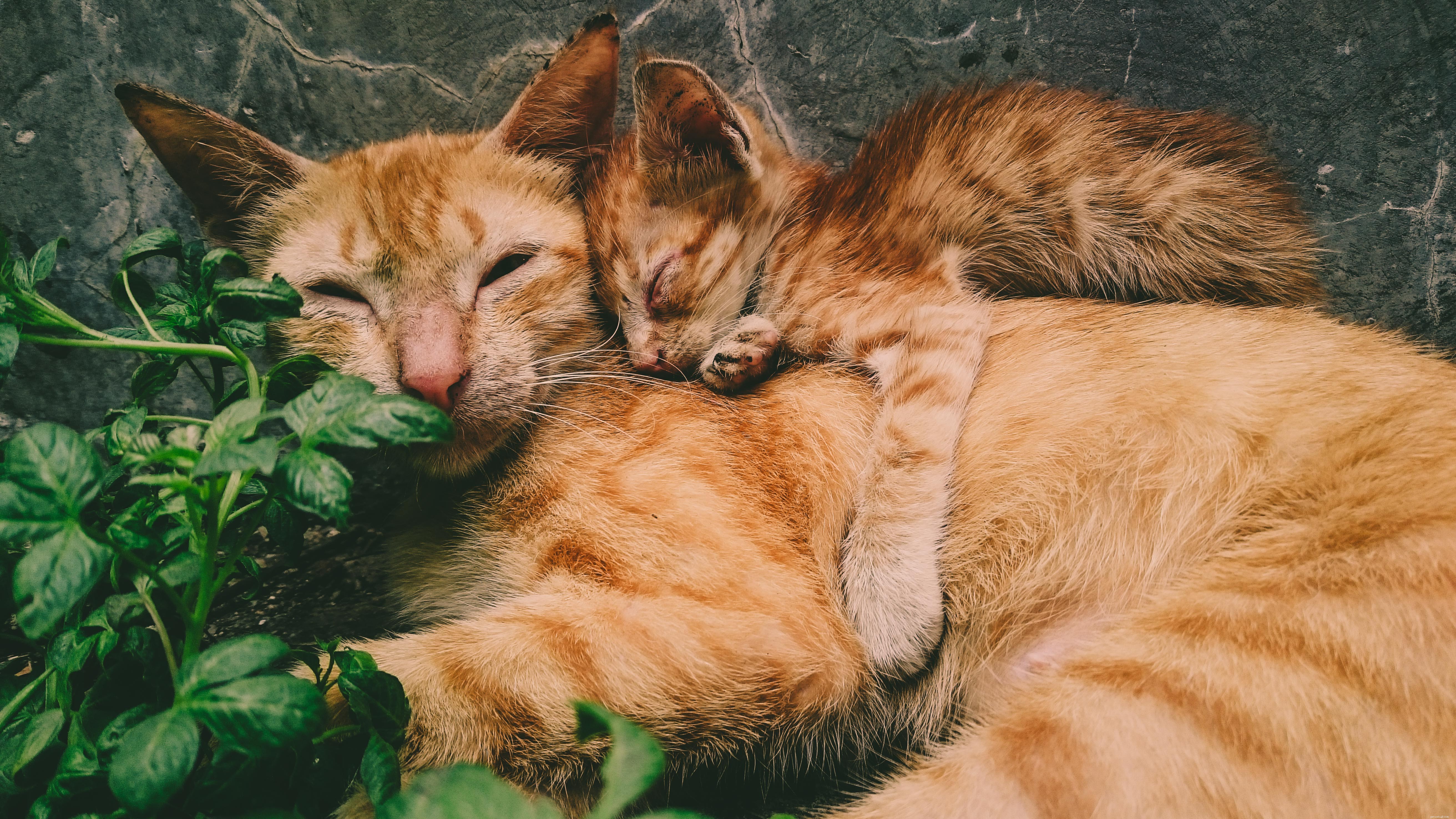
Not only is muttering a way of non-verbal communication – you may not believe it, but cats also mutter to calm down and relieve pain. The mother of the cat murmurs while kitten as she tries to alleviate the difficulty experienced, and after giving birth the kittens continue to murmur in order to attract the kittens to her body so that they can take care of them. Kittens are born blind and deaf, so the vibration emitted by the mother is very important for them to survive, and when they are just two days old, they themselves begin to murmur and interact with their mother and other litter kittens.

How do Cats Growl?
We’ve learned why cats mutter, but how do they actually make this amazing sound?
Studies show that a cat’s muscles make a sound that moves the vocal cords, and when the cat inhales and exhales, the air interferes with the vibrating muscles. This creates the sound of a cat muttering. However, all the movement required for the sound of a murmur is stimulated by signals from the cat’s brain, so researchers believe that a murmur is a muscle twitch rather than a voice communication.
How does a cat’s murmur help people?
Cats kept at home are known to reduce stress – not only because they are cute to look at and soft to cuddle, but also because we are positively affected by their muttering.
Cat owners get 40 percent. people are less at risk of having a heart attack than non-cats, and there is a reduction in blood pressure when they communicate with cats and hear their gentle growl. But the most interesting thing is what is called the healing relationship. It is the cat’s ability to calm down and sympathetically treat a human disease just by being around. Many people say they relieve migraine pain just by lying next to their roaring cat.
Do you know?
The low frequency of muttering in a cat’s body causes a sequence of vibrations. These vibrations help you breathe easier, heal bones, wounds and tendons, build muscle and act as certain painkillers.
The sound of a roaring cat vibrates at a frequency of 25 to 150 Hz, the same frequency that helps with physical healing and has a positive effect on increasing bone density. Probably that’s why a cat that jumps off a tree on the ground doesn’t get caught.
Not all cats growl, and soothing vibrations are emitted only by domestic and some wild cats. Cats that can roar can’t roar, and cats that can roar can’t roar! This is due to the small bone in the vocal cords – the bone of roaring cats is flexible. Because large cats have a softer bone, they know how to roar in a low voice. The bone of domestic cats is fully hardened and allows air to vibrate only when exhaling and inhaling.
That murmuring power is convincing! Have you heard your cat roar louder and more insistently when she is hungry? Researchers have recently discovered a new murmur sound called a request murmur, which replaces the usual murmur sound with a more demanding “crying” sound. The frequency of this sound is similar to a child crying, so we instinctively want to help and hurry to give our hungry cat a treat!
A cat can growl out of happiness, tension, hunger, or contentment. By seeing how she behaves and feeling her mood, you will understand what she is trying to tell you.
Most importantly, at least for now, you will know what to embrace first when you feel unwell or, if necessary, a little tenderness and worry.

- Pet Behavior
- Pet Breeds
- Pet Names
- Pet Adoption
- Pet Training
- Cat Stories
- Pet Health
- Adorable Pets
- Cats
- Why Your Cat Is Extra Needy: Uncovering the Roots of Their Attachment
- Understanding Cat Chirping: Causes, Significance, and Owner Tips
- What Triggers Cat Hissing & How to Respond
- Decoding Your Cat’s Growl: Understanding Their Signals
- Understanding Cat Vomiting: Causes, Symptoms, and What to Do
- What Causes a Cat to Growl: Understanding Your Feline’s Signals
- Understanding Why Cats Drool: Causes, Symptoms, and When to Seek Help