

Effective Cat Training: A Step-by-Step Guide for Kittens & Adult Cats
How to Train your Kitten or Cat? Although training is traditionally more often associated with dogs, and a cat can be taught something! The cat will learn to recognize your name and access you when invited! In order for a pet to acquire these skills, it is important to start training from an early age and as soon as possible.
How to develop a kitten’s social skills
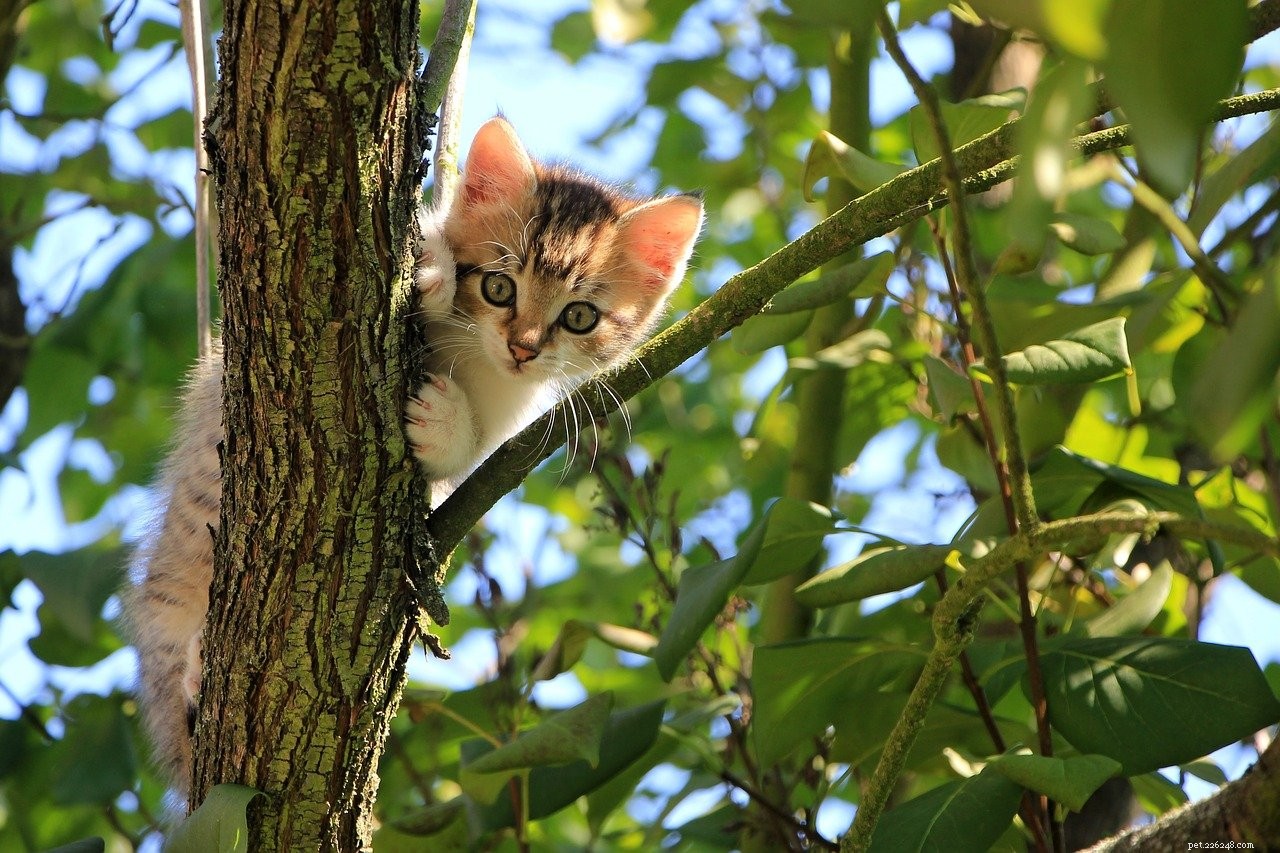
Kitten training begins with the development of social skills – the more experience they have at a young age, the less shock they will experience when they grow up. As soon as you start walking without your mother’s help, kittens will welcome the new experience with the confidence and curiosity that cats are so famous for!
Kittens feel the least afraid when they are 3 to 7 weeks old, so they will be more open and allow new experiences and changes to enter their environment. At this age, kittens become more careful, so it is very important that the breeder or shelter dresses your kitten as much as possible before you pick it up, preferably between 8 and 13 weeks of age (depending on the breed and breeder).
Of course, your kitten’s emotional development doesn’t stop at week 12, so you can continue training by bringing your kitten home as well. Try some of these tips to further encourage your kitten to develop:
- Invite guest friends. This will help your kitten get used to a wide variety of people – different ages, genders, heights, hair colors and the like!
- If you do not have children, invite them to the guests, be sure to teach them how to deal with the kitten, especially if you are meeting them for the first time.
- Maybe you know someone who raises a dog that is friendly to cats. If so, ask to bring your dog to the guests to meet your kitten. The dog must be well-groomed and able to perform the command “squat!”, Even if a new acquaintance would cause a lot of excitement!
- Carry a trained young kitten on a car for short trips to get used to traveling by car from an early age. When you get home, offer some delicacy to make the kitten associate the trips with the positive things.
How to start training a kitten
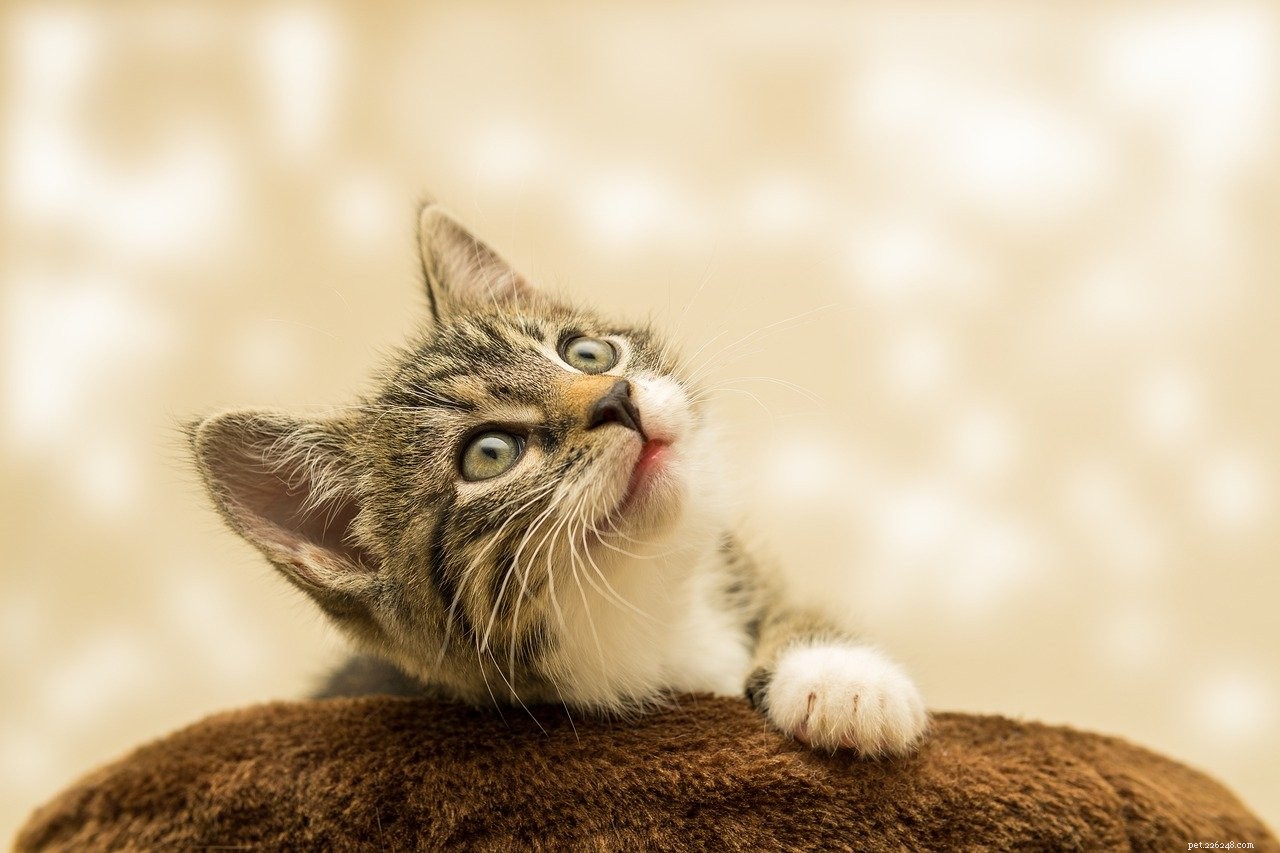
Once your cat has mastered basic social skills, you can start teaching your kitten other things. Before starting, it is recommended to have a thorough health check-up at the vet and make sure that the kitten does not have any health problems that could cause difficulty in training.
Let’s hope your cat’s health is as good as possible and you can start teaching her a few helpful tricks. Here are some general tips to help you and your kitten get the most out of your training session:
- Emphasize the verbal command used when teaching a cat to do something (such as “squat”), speaking it clearly and with confidence, and reinforcing it with positive praise, such as “squat, well, squat”.
- Encourage a trained kitten by rewarding treats. Wouldn’t you try harder if you knew a delicacy was waiting for you?
- By giving a treat and clicking with a click (“clicker”) or a ringing bell, you will help the cat associate that sound with a reward – she will later learn to perform the task only after hearing that sound.
- Train your kitten or cat before feeding, as it will not be so easy to encourage a cat to taste. However, don’t make her “starve” to make me want to learn – a hungry cat quickly loses patience!
- Make sure there is no noise around, such as a TV or audio equipment, and the cat can concentrate better.
- The sessions should be short – complete them before the cat is bored or tired. Continue the sessions for a maximum of 15 minutes so that your student does not get tired.
- Lessons should be consistent – the same teacher (you or a specialist if you approached him), the same hints, signals and the same reward.
- Wait for the cat to gain one skill and only then start teaching it to another, otherwise it may be too difficult for her.
- Try to train every day for 10 minutes – individual sessions may not achieve the desired results and may interfere with the cat.
Have patience! Training really takes time, so praise your pet very much during each session and encourage her to reward good behavior. If your cat does something wrong, say no and only tell her what to do next. For example, if she sweeps things off a surface, say no and massage the toy so that she prefers to play with it and not throw things.

We have already discussed the main issues of kitten or cat training, we can talk further about how to teach a cat specific tasks. Let the fun begin!
How to teach a cat to respond by name
Giving your cat a name is a really enjoyable experience for all family members, so once you choose a name that everyone will like, you’ll want to say it as often as possible! This is great because the more often you use a cat’s name, the sooner she will realize that name is hers.
Say the name of your kitten or cat during fun activities as often as possible, such as when a cat eats or caresses or plays with it.
If a cat is behaving inappropriately, never say her name. Otherwise, the cat will associate its name with negative things and may not run as fast as you would like when you call it by name. This is especially important for cats released into the field.
Training a cat to use a litter box
While innate instincts will encourage a cat to do natural things outdoors, she can easily get used to using a box of litter, especially if it is taught from an early age. Older cats can also get used to a box of litter, even if they have never used one before, as their joints become less mobile with age and they are less and less willing to go outside. There are several steps to help your cat learn how to use a litter box.
How to understand that the affairs of nature have endured
Some brought home kittens may already be trained to use a litter box, but if not, you can train the kitten yourself. To teach your kitten to use a box of litter, gently place it in the box after eating, waking up from sleep, or when you notice it sniffing, digging, or scratching on the floor – this could be a sign that he wants to go to the toilet! Teaching cats how to use the toilet can sometimes take some time, so be patient and consistent.
Which box to use
When training your kitten, use a plastic box with low walls to make it easy for him to get on. Later, as your kitten grows, you will replace this box with a larger and deeper box so that there is enough room for him to turn around and the box does not tip over when you get out. If you want to get rid of odors and leaks and give your adult cat more privacy when doing toileting, you can also use a fenced box, but the enclosed space is a concern for some cats and they may not like using it.

What litter to use
Some cats like a certain type of litter. Some cats will like dancing litter, others will prefer softer, smaller granules – especially for non-outdoor cats with softer feet and older cats with arthritis. If you need to change the litter you are using, do so slowly so that your cat does not have a big surprise and does not repel it. Also avoid litter or box decks with odors as they can irritate the sensitive smell of the cat and discourage the use of the litter box.
Follow the instructions on the litter package for the recommended litter depth; make sure the cat has enough depth to dig. Placing a newspaper under the box will make it easier to collect spilled litter.
Where to keep a box with litter
One cat should have one box at home and one extra. Keep each box in a quiet place where the cat can calmly do natural things away from where it eats and varnishes. Make sure the box is always easily accessible, especially if your cat is indoors all day. Because cats are very clean animals, they will suffer as much as they can if they don’t have room to do natural things, which can be very unpleasant and can cause health problems.

How to Clean a Cat’s Box with Litter
Cats are very clean by nature, so they will hardly want to use a box with litter in which they have repeatedly done natural things. In some cases, cats use litter only once. It is easier to remove feces and sticky wet pieces from some dripping litter – this needs to be done daily. If you use non-stick litter, empty the box at least once a week or more often and rinse the box with hot water and detergent. Avoid the use of disinfectants as they can be toxic to cats.
If you are pregnant, never handle dirty litter to avoid toxoplasmosis, an infection that you can pass on to your unborn baby.
If you have taught your kitten or cat to use a litter box, but notice that it continues to urinate elsewhere in the home, this may be a sign of feline lower urinary tract disease. This disease can be painful and even dangerous, so talk to your veterinarian if you are worried about this or any other health problem.

How to teach a cat to use a cat tree
A very important part of kitten training is to show them when and where they can scratch their nails to avoid hurting your couch!
The cat tree may be a suitable surface to meet any cat’s need for scratching, however, the cat may need to be trained to use it. First, show your kitten or cat a cat tree and pull a toy around it to encourage the cat to play – when her nails touch the cat tree, she should quickly figure out what it is right for.
You can also try to gently lift your pet’s front paws and swipe them down to simulate scratching movements. This will show the cat how to use the cat tree and she should try it herself soon. By placing some catnip on the cat tree, you can also bring your pet to the cat tree faster!
When a cat uses a scraper, praise it and encourage it. The smell that the cat will leave on the cat tree after the last scratch should grab it again in the future.

How to encourage a cat to cuddle
Like young children, kittens are full of curiosity, interest and energy! Therefore, it may be that he will have a hard time falling in one place or be restless when you stroke him, no matter how much he loves you. Older cats you may have saved are doing the same because they are getting used to the new environment and the new family, so they will want to explore the environment rather than sleep on your knees.
Give your cat time to grow up or adjust, don’t make her squat calmly and don’t take her in your arms when she doesn’t want to. By taking some time, understanding, and compromising, you will see that your cat wants to cuddle no less than you do!
- Pet Behavior
- Pet Breeds
- Pet Names
- Pet Adoption
- Pet Training
- Cat Stories
- Pet Health
- Adorable Pets
- Cats
- How to Administer Pills to Cats and Kittens Safely
- Master Clicker Training for Your Cat: Positive, Fun, and Easy Tricks
- Master Cat Leash Training: Step‑by‑Step Guide for Indoor Cats
- Master Clicker Training for Your Cat: A Step-by-Step Guide
- How to Crate Train Your Cat: Step-by-Step Guide for Stress-Free Vet Visits
- How to Safely Introduce a Kitten to Your Existing Cat: Expert Tips
- Effective Kitten Training: A Comprehensive Guide for New Owners