

How to Spot Cat Health Issues Early
How to notice cats diseases? You won’t always notice right away when your cat is feeling unwell. Cats know how to hide diseases perfectly and when they are not feeling well, try not to come into contact with humans. Therefore, it is necessary to monitor the general condition of the cat and pay attention to unusual signals.
It is a very good idea to fill out health check sheets at home every month. If you notice changes in the animal’s behavior, do not look for diagnoses in books or websites, contact your veterinarian immediately.
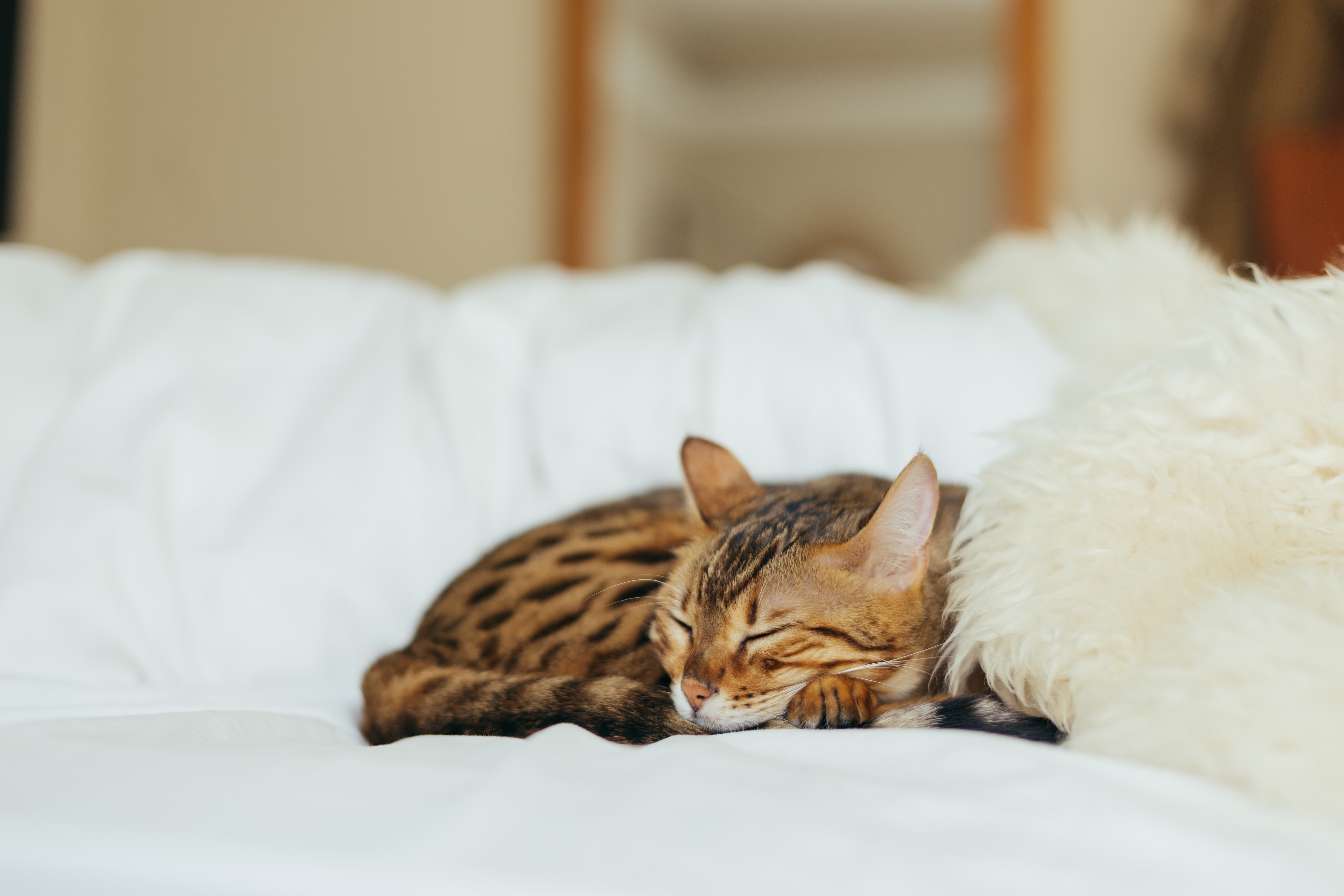
General drowsiness, fatigue, poor appearance
How to notice cats diseases? If your cat doesn’t look healthy and active as always, it’s worth paying attention to. Cats, like humans, may not look like that for no apparent reason. But if the symptoms do not go away, it is worth visiting the vet.
Recurrent vomiting, tingling or weakness
It is quite normal for a cat to be soaked with lumps of hair or grass at times. However, constant weakness or tingling while eating is already wrong. Vomiting can be a sign of pancreatic or kidney disease. Especially if it is about older cats.
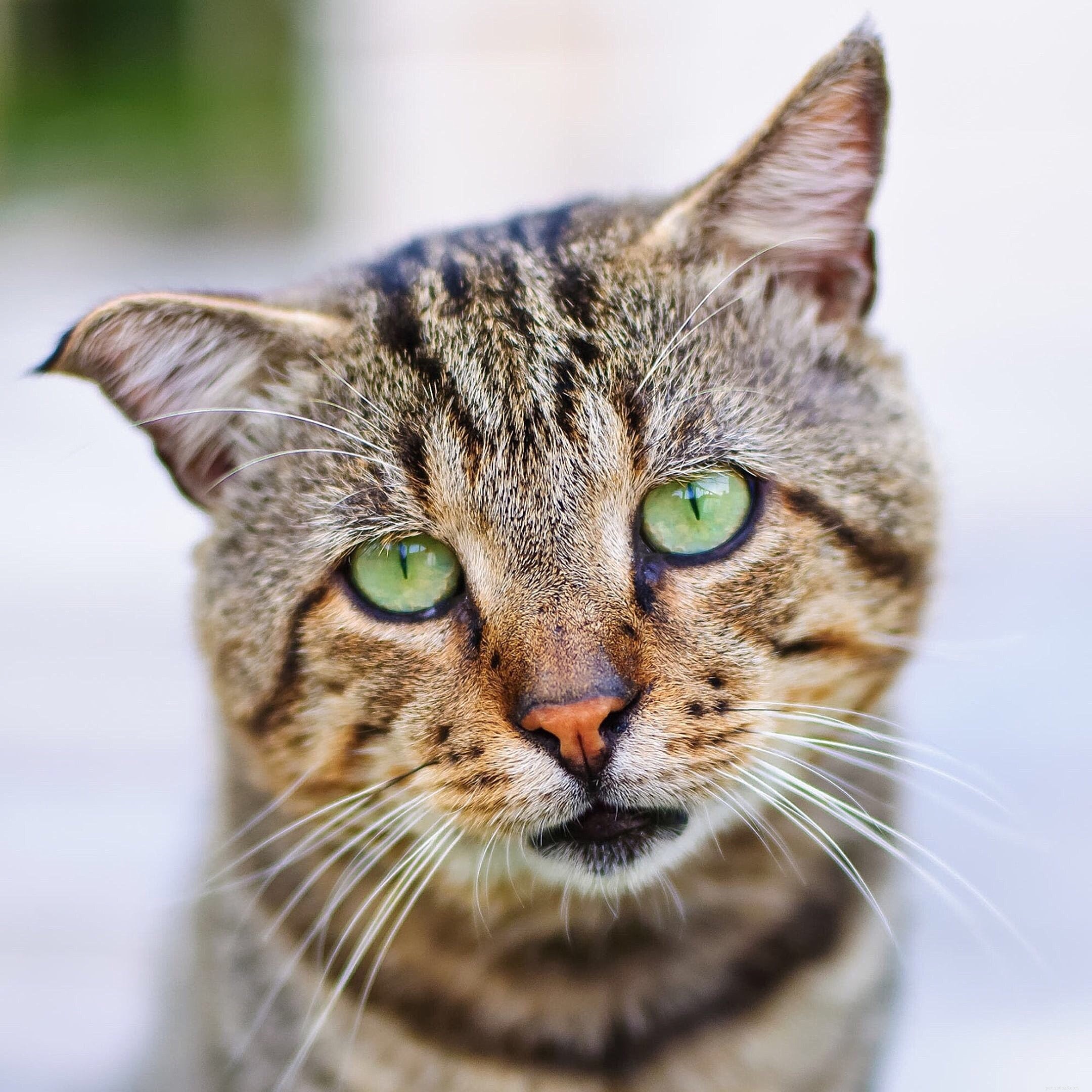
Refusal to eat for more than 24 hours
If your cat spends a lot of time outside, her eating schedule can also become irregular. However, if your cat refuses to eat for a day or more, talk to veterinarian.
How to notice? Diarrhea
If your cat has diarrhea for more than 48 hours, contact your veterinarian. If possible, take a stool sample with you.
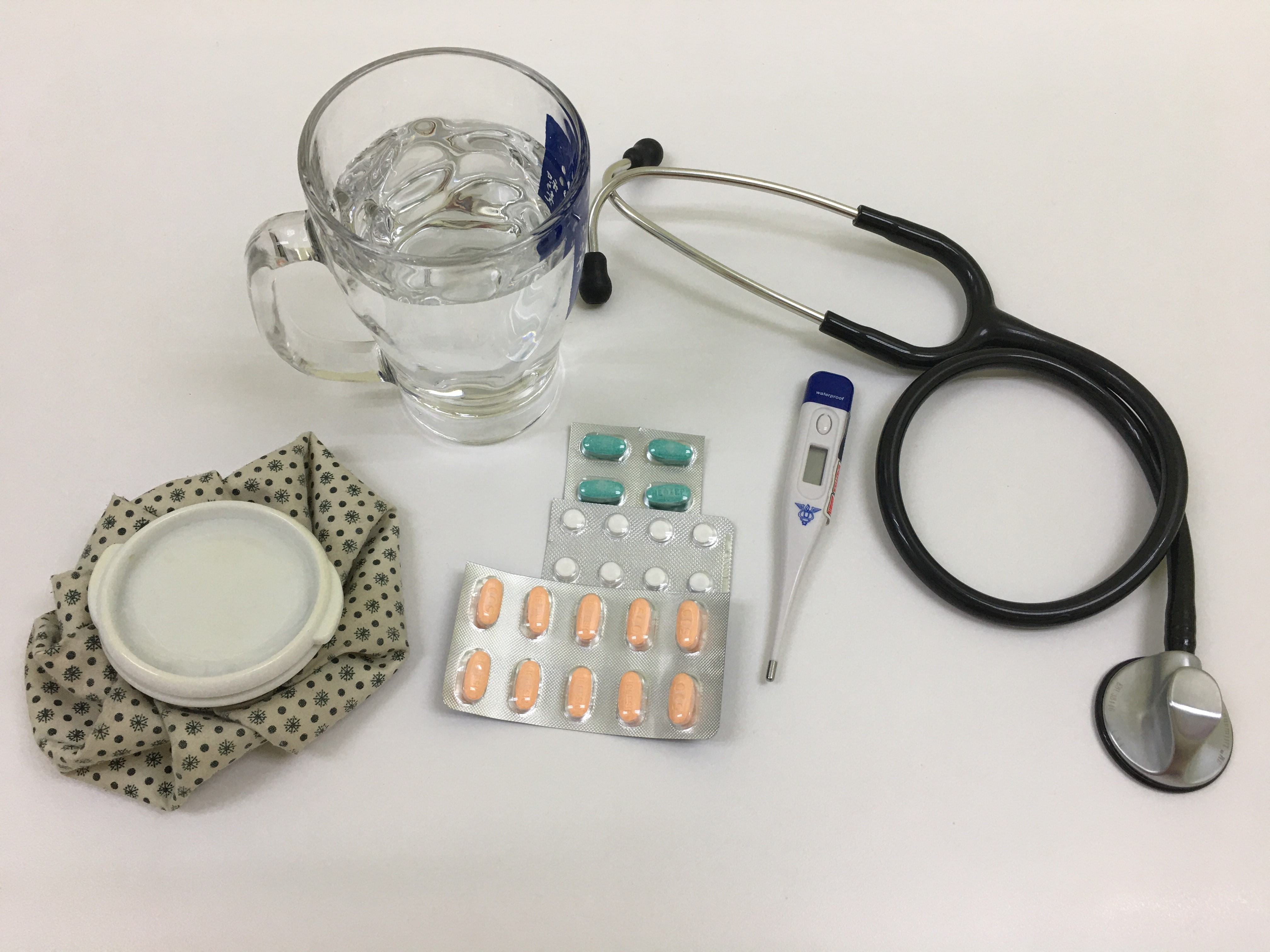
Difficulty urinating
Pay particular attention to symptoms such as constipation, pain when urinating, or blood in the urine. Diseases of the lower urinary tract in cats are quite common, especially in males, but if left untreated, the disease can be life-threatening for the pet.
Signs of cats diseases. Progressive weight loss
You should be concerned if your cat loses noticeably for 2 or 4 weeks or loses weight slowly over a long period of time.

Excessive thirst or urination too often
Unusual thirst or urination too often can be a sign of feline diabetes or other medical problems.

Hatch, dry skin
Skin condition is a good indicator of overall health. The skin should be smooth and pink or black. If a cat suffers from persistent stinging or other signs of dermatitis, this may indicate an allergic reaction, especially often due to flea bites.
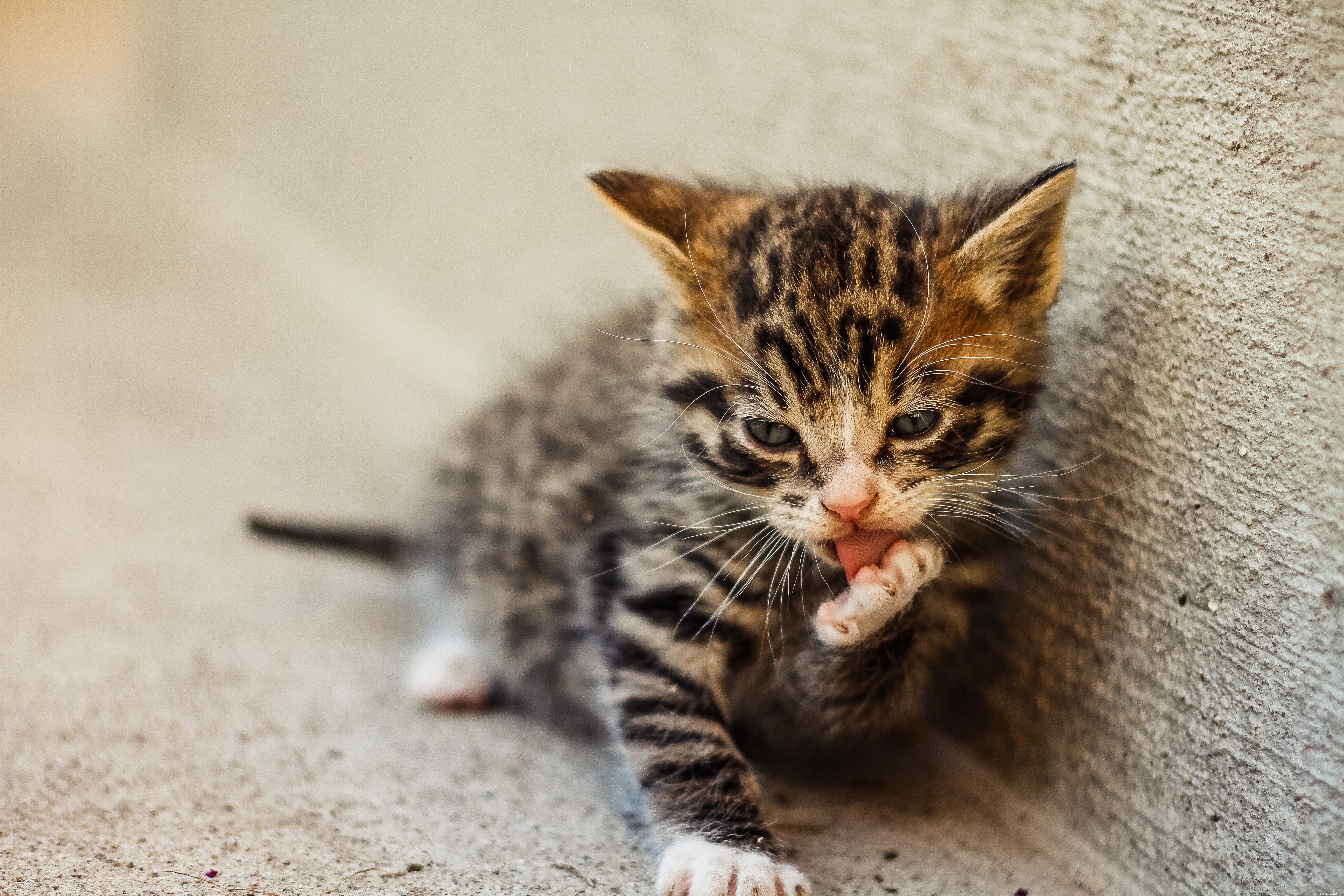
Red or swollen gums
Red or swollen gums and bad breath from the nostrils are signs of gum disease. Once the disease has erupted, cats may start to grit their teeth, stop chewing and spit out food. So cats start losing weight due to difficulty eating.
Tearing eyes or runny nose
Sneezing, wheezing, runny nose, watery eyes, or other flu-like symptoms may be an indicator of respiratory problems such as shortness of breath or shortness of breath.
Feeding
A cat can feed for many reasons. Trichophilia, fungal skin infections, hormone problems. There may also be fleas or ticks, allergies or even psychological problems – all of which can be a cause of eating.
Cats can also feed due to licking their fur. A cat takes care of its bitch by licking it, but not every cat is able to do it properly. This is especially inconvenient for an overweight cat!
Another problem is that cats can wash too much. If your cat furiously licks your fur, you will soon be able to notice scaling in areas such as the abdomen, buttocks and inside of the legs.
Cats may be fed more intensively after giving birth to kittens that are outdated or due to illness or under-fed. If you notice that your cat is feeding more heavily, it should be examined by a veterinarian.
- Pet Behavior
- Pet Breeds
- Pet Names
- Pet Adoption
- Pet Training
- Cat Stories
- Pet Health
- Adorable Pets
- Cats
- Expert Guide to Petting Your Cat: Proven Tips for a Happy, Healthy Bond
- Effective Cat Training: A Practical Guide for Pet Owners
- Expert Guide to Introducing Cats: Tips for a Smooth Transition
- Recognizing and Managing Pregnancy Complications in Cats – Expert Guide
- The Science Behind Cats: Understanding Their Behavior and Biology
- How to Rehome a Cat: Expert Tips for a Smooth Transition
- The Expert Guide to Petting Your Cat: Tips for a Calm and Happy Companion