

Kittens' Common Health Issues: Causes, Prevention, and Care
Kittens are subject to many different diseases and deformities, just like any other animal. Some diseases, such as hypertrophic cardiomyopathy, are congenital. Most, however, are contracted through viruses, infections, or parasites. Fortunately, vaccinated kittens are protected from many of the most deadly diseases.
Feral cat mothers (sometimes called queens) are more likely than domestic cats to have kittens with health problems. There are many reasons for this:
- Feral cats are likely to have more kittens than they can care for;
- Ferals are more prone to have parasites that can cause disease;
- Ferals are often undernourished and unable to provide proper nutrition for kittens.
-
01
of 13
Panleukopenia (Feline Distemper)
Panleuk, as it is commonly called, is a particularly virulent virus in the parvovirus group, and is often found in feral cat colonies, or any other areas where large groups of cats gather. It can cause destruction of the bone marrow as well as of the cells that line the intestine, which can lead to life-threatening dehydration and sepsis.
-
02
of 13
Upper Respiratory Infections
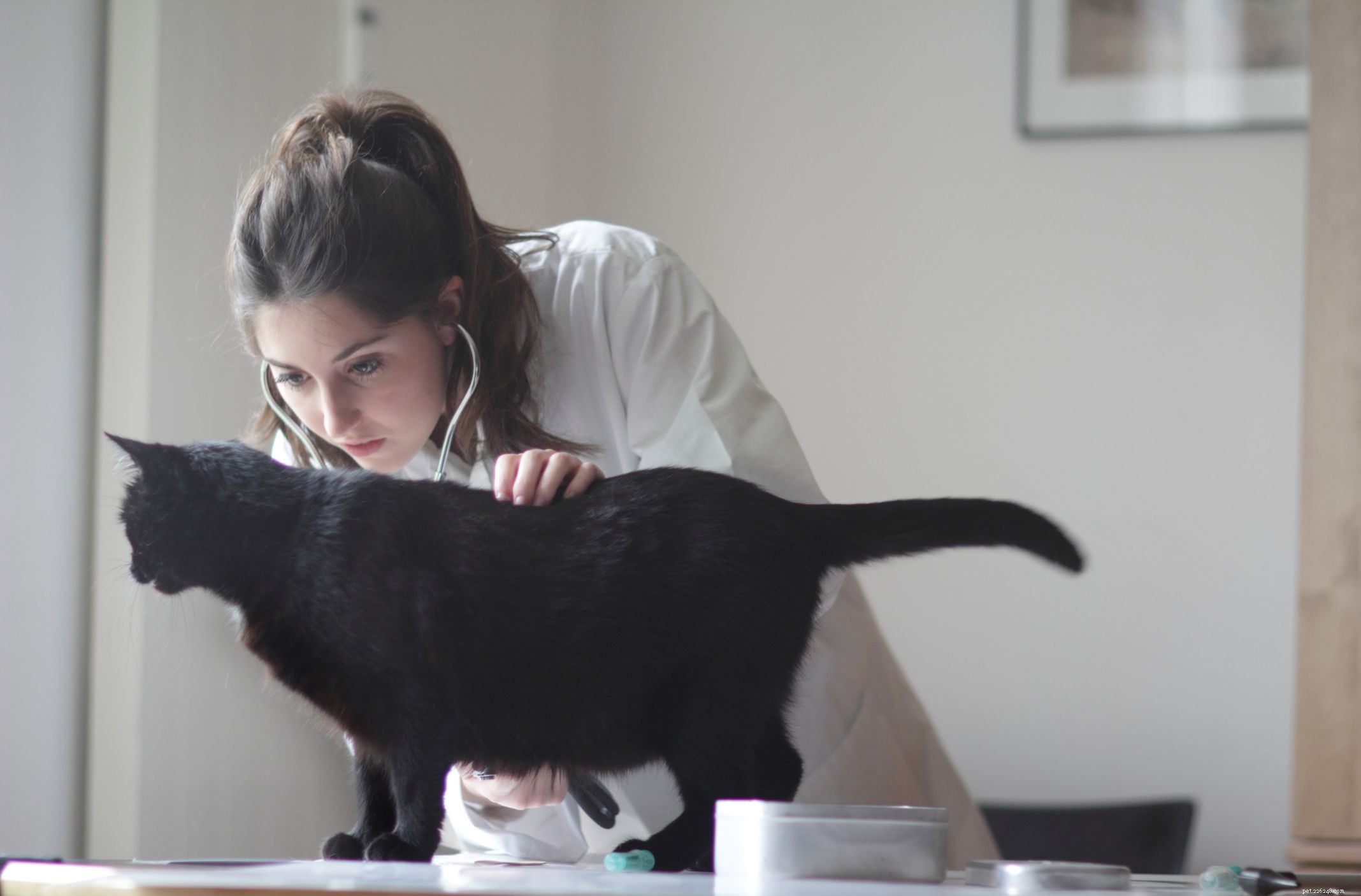
Upper respiratory infections include rhinotracheitis, a.k.a. feline herpes virus and feline calicivirus. There are core vaccines for both of these viruses. These viruses can cause sneezing, nasal discharge, and conjunctivitis (commonly known as pink-eye).
A third infectious disease is chlamydia, which is bacterial and can be treated with antibiotics, such as tetracycline. This is not the same type of chlamydia as the sexually transmitted infection that humans get; however, chlamydia can cause conjunctivitis, which can be spread to humans.
-
03
of 13
Fading Kitten Syndrome (FKS)
FKS, which is a group of symptoms rather than a single disease, is another name for death of neonatal kittens. Fosters of pregnant cats and their kittens are well familiar with the symptoms, which may appear shortly after birth, or as late as several weeks old. There is no known single cause. However, the compromised health of the mother cat undoubtedly weighs heavily.
-
04
of 13
Feline Immunodeficiency Virus (FIV)
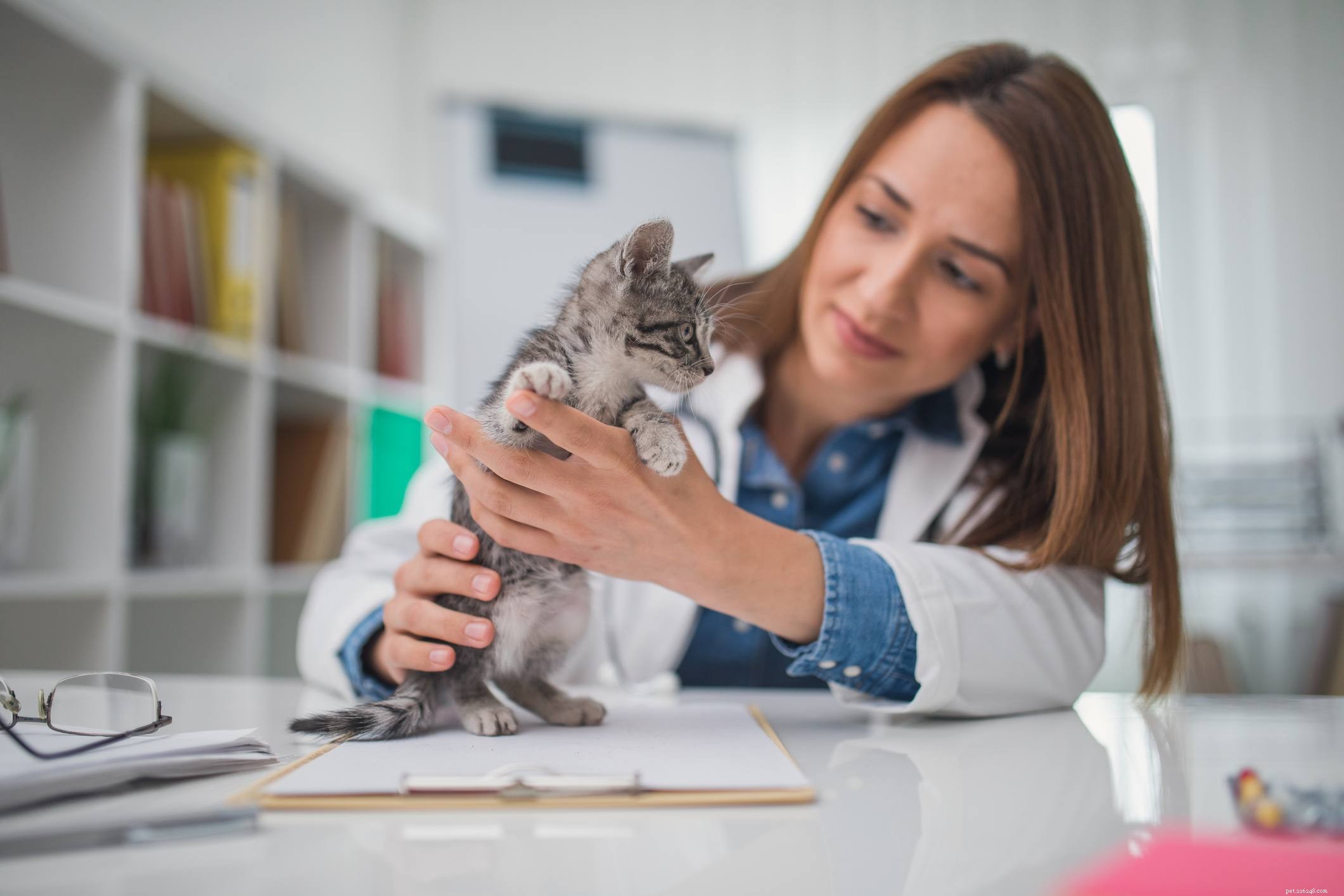
FIV is transmitted by deep bite wounds (saliva to blood), or during gestation or birth (blood to blood); cats are more likely to die of secondary infection or other causes because of their compromised immune systems. Kittens who survive may be hard to place in permanent homes because of humans' misunderstanding of this disease. However, many cats may live normally for years before they become ill.
Continue to 5 of 13 below. -
05
of 13
Feline Leukemia Virus (FeLV)
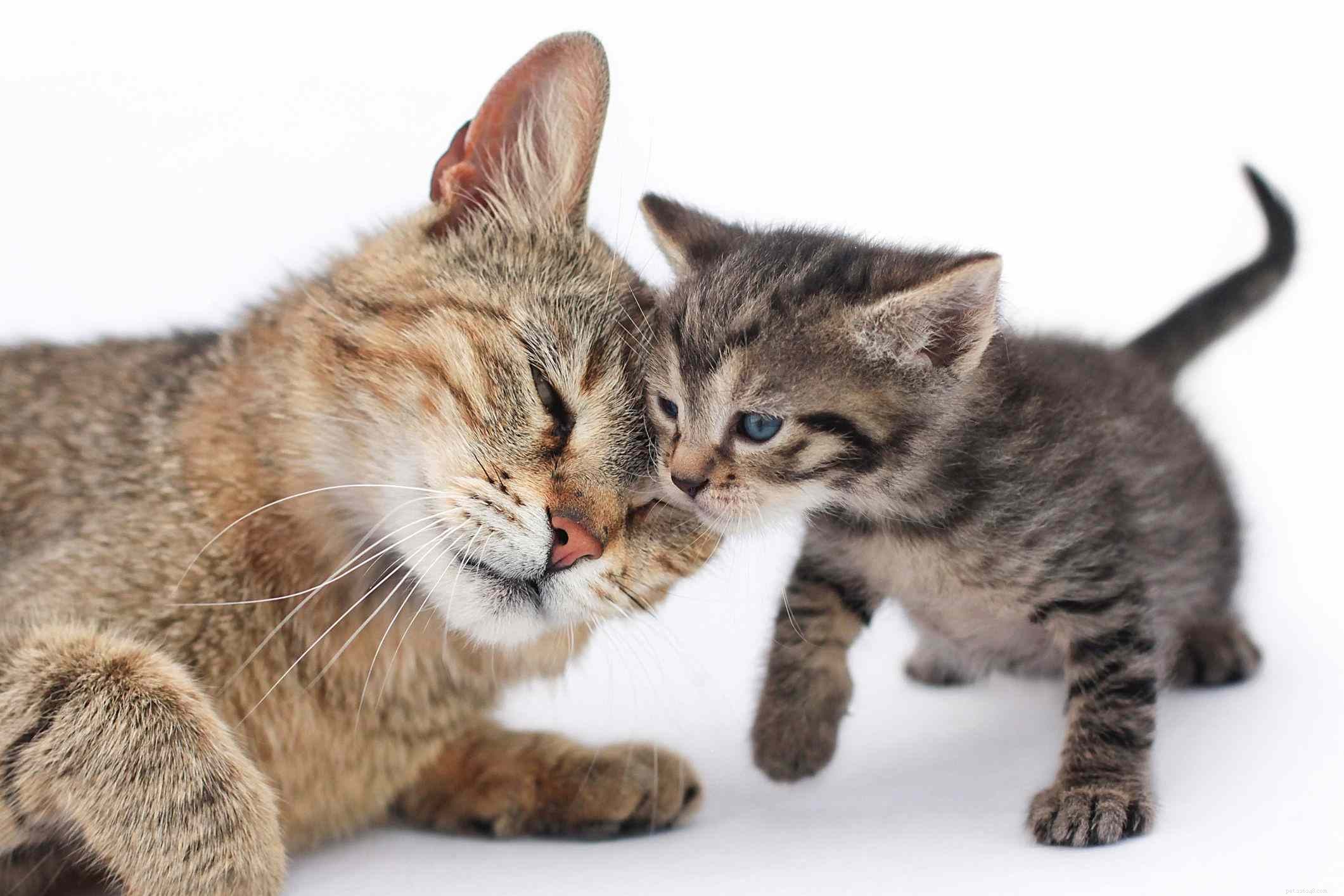
FeLV is extremely infectious and can be spread through casual contacts, such as shared food dishes, as well as from the mother cat. FeLV can be prevented with vaccines. However, once it appears, it can't be cured, and in some cases it may become latent and cause the tests to become negative. Kittens with latent infections will not become ill; however, the infection can become reactivated. FeLV suppresses the immune system so that cats die of diseases they would otherwise be able to fight off.
-
06
of 13
Deafness
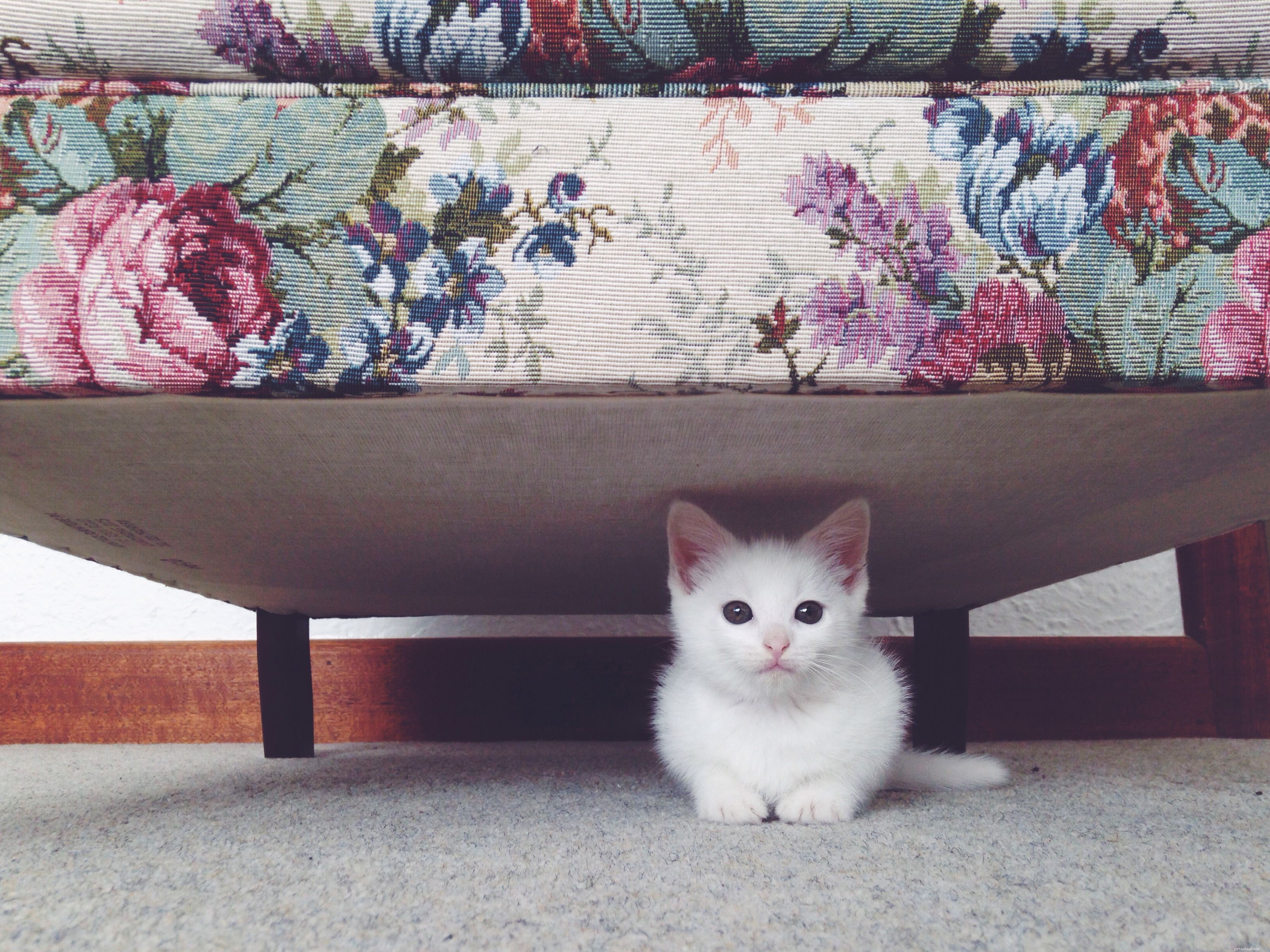
Some kittens are born without hearing. This condition, while incurable, does not incapacitate a cat. White cats with two blue eyes are often, but not always, deaf from birth.
-
07
of 13
Feline Infectious Peritonitis (FIP)
While FIP can often be found in areas with large numbers of cats, it can also be found in kittens with a genetic predisposition. While exposure to the coronavirus that causes it is widespread, few of the infected cats actually get FIP, as the virus needs to mutate to cause illness. The downside is that once contracted, the disease is fatal.
-
08
of 13
Hip Dysplasia
Hip dysplasia is thought to be a genetic disease, although it does not always show up immediately. It is rare in cats compared to dogs, and it is a deformity that can, in many cases, be corrected through surgery.
Continue to 9 of 13 below. -
09
of 13
Feline Cerebellar Hypoplasia (FCH)
FCH is commonly caused by feline distemper, contracted either immediately (one to two weeks) after birth or during gestation. As it centers in the cerebrum, CH is a neurological disease, which usually affects motor skills, including the ability to walk and control of the head.
-
10
of 13
Hypertrophic Cardiomyopathy
Certain breeds of cats are more prone to hypertrophic cardiomyopathy (HCM) than others. They include Maine Coon Cats, Ragdolls, and Sphynx, among other breeds. While there is often a genetic predisposition, it does not typically affect cats until they are middle aged or older.
-
11
of 13
Polycystic Kidney Disease (PKD)
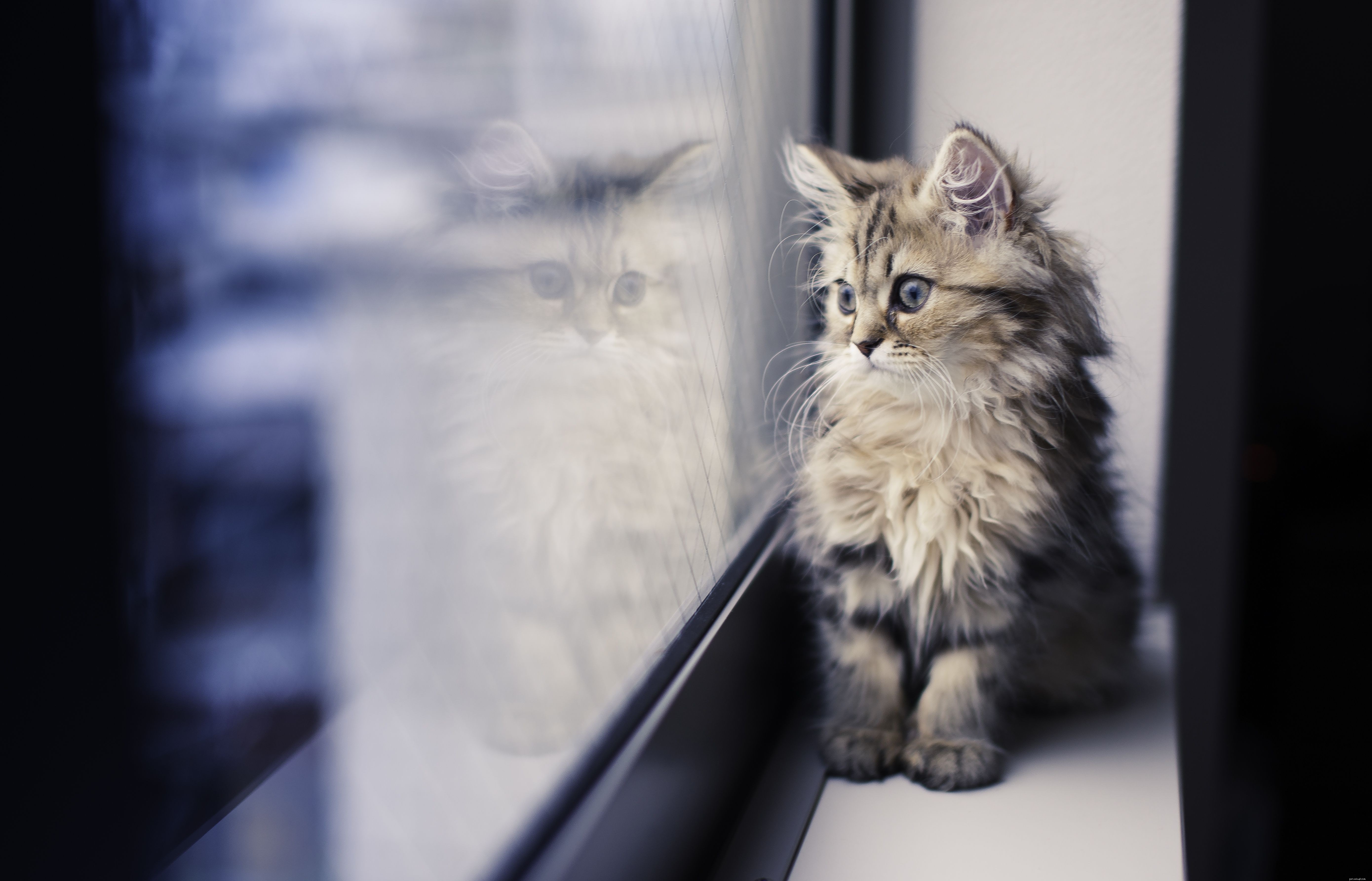
Polycystic kidney disease is found most often in Persian cats and related breeds. It is a progressive genetic disease affecting the kidneys, and is often not diagnosed until later in life. Conscientious breeders are now testing their breeding queens in an effort to keep the PKD gene out of their line.
-
12
of 13
Flea-Transmitted Diseases

Several parasites are carriers of dangerous diseases to kittens. The common flea, as well as ticks and mosquitos, can transmit a number of diseases:
Hemobartonella
Hemobartonella, a.k.a. hemobartonellosis, is a parasite of red blood cells that can cause anemia. It is potentially deadly (particularly in kittens), and infected cats may even need blood transfusions as part of the treatment.
Anemia
Even if a kitten doesn't get hemobartonella from fleas, the mere act of the fleas dining on the kitten's blood over a period of time can cause a different type of serious anemia.
Continue to 13 of 13 below. -
13
of 13
Tapeworms
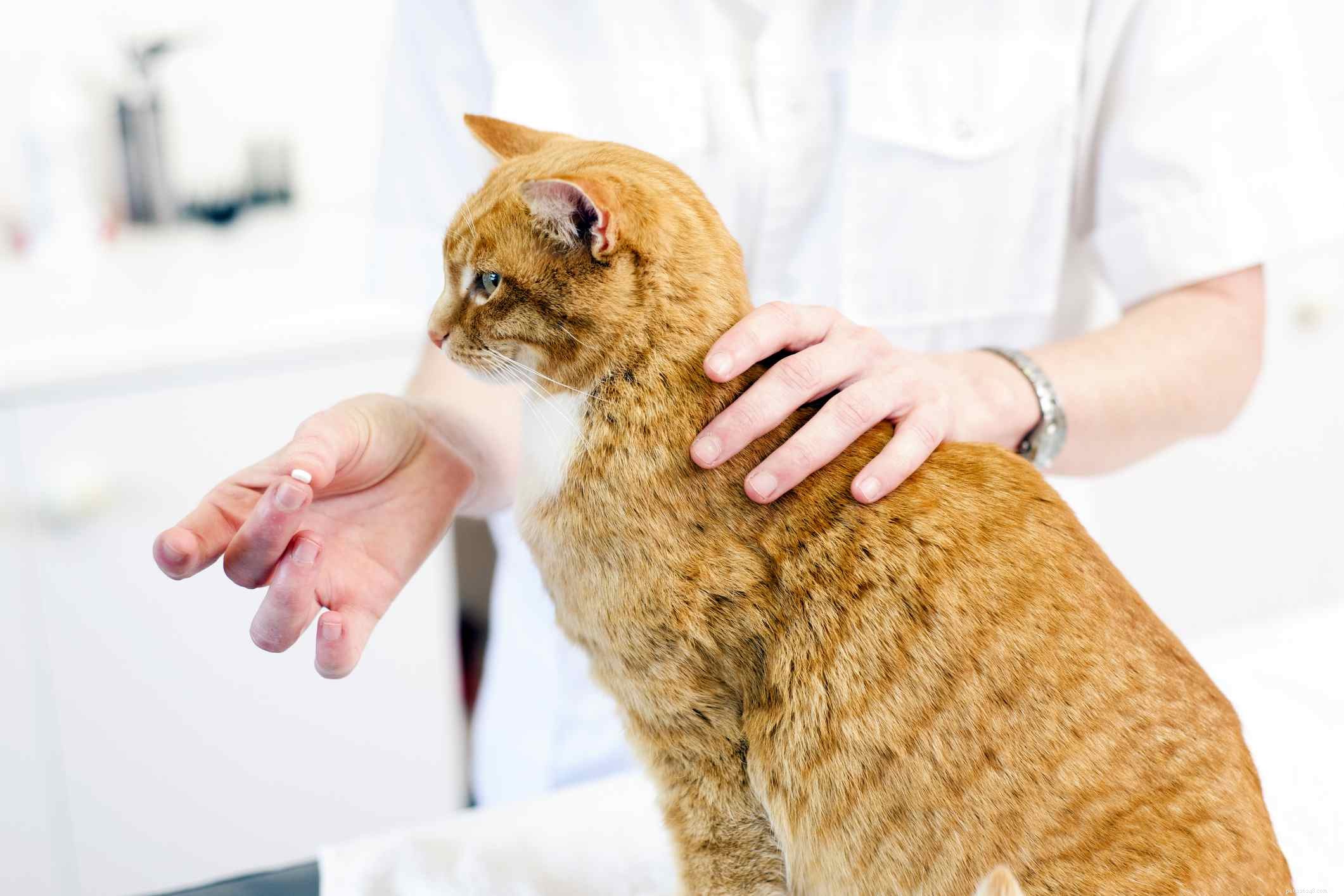
Veterinarians will almost always treat flea-infested kittens for tapeworms. However, you may be asked to bring a fecal sample from the kitten with you at appointment time, as they are also susceptible to other parasites, such as roundworms.
- Pet Behavior
- Pet Breeds
- Pet Names
- Pet Adoption
- Pet Training
- Cat Stories
- Pet Health
- Adorable Pets
- Cats
- Effective Care for Common Dog Skin Disorders
- Top 4 Common Cat Diseases: Signs, Symptoms, and Care
- 7 Stunning Tortoiseshell Cats & Their Playful Kittens
- Common Ferret Diseases: Identification & Effective Treatments
- Essential Guide to Identifying and Treating Common Pet Bird Illnesses
- Effective Treatments for Common Cat Illnesses: A Vet’s Guide
- Understanding Kittens’ Intestinal Parasites: Giardiasis & Coccidiosis