

From the Fertile Crescent to Your Sofa: The Journey of Domestic Cats
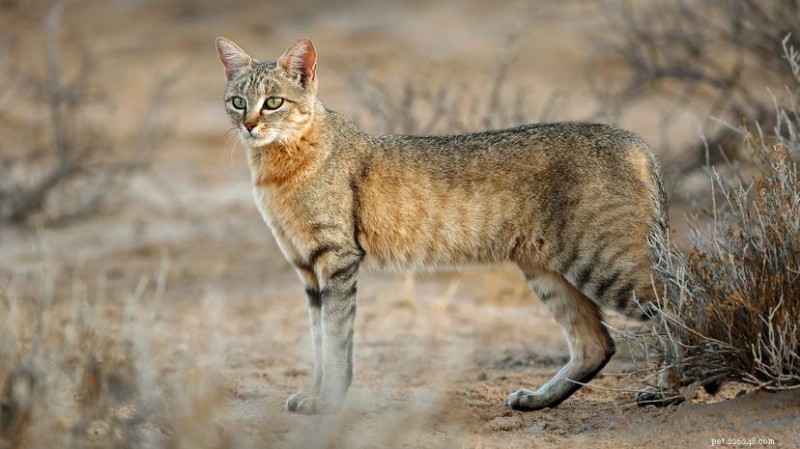
From sunlit naps on windowsills to dominating social media feeds, cats are a ubiquitous part of modern life. Yet their story began in the ancient Near East, where the first domestic companions quietly emerged alongside early human settlements.
Genetic Origins of Cats
The domestic cat, Felis catus, is the sole domesticated species within the Felidae family. Genetic and mitochondrial DNA studies show that it descends from the African wildcat, Felis silvestris lybica, a subspecies of the broader Felis silvestris lineage. This wildcat roamed North Africa and the Middle East and began cohabiting with the first farming communities in the Fertile Crescent around 9,000–10,000 years ago.
Archaeological evidence from sites such as Cyprus reveals that humans and wildcats lived side by side as far back as 9,500 years ago, marking the earliest documented interaction between the two species.
A Natural Fit: Pest Control and Coexistence
Unlike dogs, cats were not domesticated through deliberate selective breeding. Their domestication arose from a mutually beneficial relationship: as early farmers stored grain, rodents multiplied, attracting solitary wildcats to the vicinity.
Over time, the cats that were more tolerant of human presence gained easier access to food and reproductive opportunities. This gradual, self‑initiated adaptation laid the foundation for true domestication.
Ancient Egypt and the Rise of the Cat
In Ancient Egypt, cats earned divine status, often associated with the goddess Bastet. Mummified cats, artistic depictions, and burial practices attest to their religious and cultural significance.
By the Roman Empire, domestic cats had spread across Europe and into parts of Asia, becoming household companions beyond their practical role as pest controllers.
Becoming Indoor, Domesticated Cats
Modern domestic tabbies retain many traits of their wild ancestors—retractable claws, solitary hunting instincts, and sharp intelligence—yet they also exhibit a deep affection for humans and thrive as indoor pets.
Feral cats, which live outdoors without direct human care, demonstrate the species’ remarkable adaptability and underscore that domestic cats can still survive in the wild, much like their ancestors.
Recent Evolution and Modern Cat Life
Selective breeding has produced a wide variety of cat breeds, personalities, and behaviors, but most cats—including many strays and feral populations—remain genetically close to their wild ancestors.
Despite modern conveniences such as formulated cat food, litter, and veterinary care, the fundamental body and instincts of the cat have remained largely unchanged. Cats are one of the few species that domesticated themselves, choosing to coexist with humans rather than the reverse.
This article was crafted with AI assistance and fact‑checked by a HowStuffWorks editor.
- Pet Behavior
- Pet Breeds
- Pet Names
- Pet Adoption
- Pet Training
- Cat Stories
- Pet Health
- Adorable Pets
- Cats
- 3 Puppy Behaviors to Watch and Manage Effectively
- Top 10 Black‑Coated Dog Breeds: Style, Personality, and Care
- Why Female Dogs Hump: Key Reasons and What Owners Should Know
- Discover the Benefits of Adopting a Rescue Dog
- Fostering a Cat or Dog During Covid‑19: A Guide to Boosting Your Well‑Being
- Keeping Lobsters in a Saltwater Aquarium: A Proven Care Guide
- Australian Shepherds: Loyal, Intelligent, Energetic Working Dogs