

Why Is My Cat Lying in the Litter Box? Understanding the Causes and How to Help
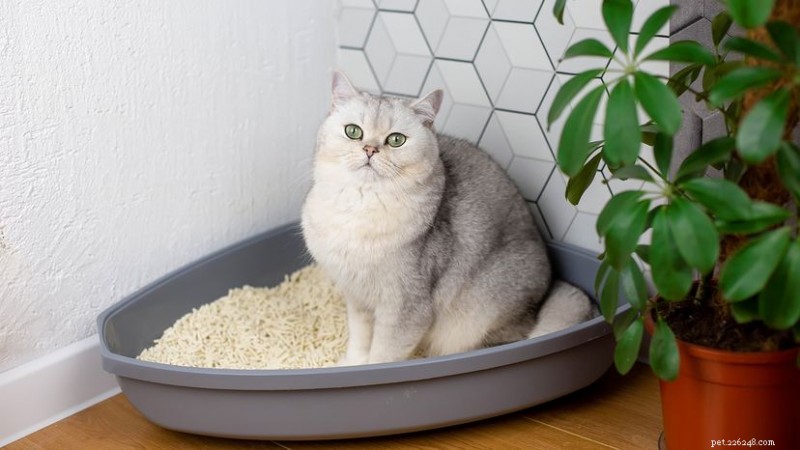
When you walk in to find your cat lying in its litter box, you’re likely puzzled and concerned.
While this can be a harmless quirk, it can also signal stress or a medical issue. Understanding the context—your cat’s environment, history, and recent changes—is essential to determine the cause.
Seeking Comfort or Security
Many felines prefer enclosed spaces because they feel protected. A covered litter box can act as a refuge when a cat feels anxious, especially in a multi‑pet household where territory can become contested.
For kittens and newcomers, the box may be the only area that smells like familiar territory, so they stay there longer while they acclimate.
Sudden noises or new animals can trigger a retreat to a secluded spot such as the litter box.
Medical Issues to Rule Out
When a cat spends an unusually long time in the box without actually using it, it may indicate discomfort.
- Excessive licking of the genital area, loss of appetite, or vocalizing when trying to urinate are red‑flags.
- Urinary tract infections, bladder stones, or other urologic problems can create a frequent urge to go, causing a cat to linger.
- Digestive upset, arthritis, or other pain can also lead to extended stays.
Older cats or those with chronic conditions might rest there because of pain or confusion. If the behavior persists or is accompanied by other symptoms, a vet visit is recommended.
Behavioral or Territorial Reasons
In households with multiple cats or pets, a cat may claim the litter box as its own territory, especially if it feels its space is threatened.
Changes such as moving, a new baby, or a new dog can stress a cat, making the familiar litter box a safe haven.
What You Can Do
- Observe: Note how long your cat stays and whether it shows signs of illness.
- Check health: Monitor for urinary, mobility, or gastrointestinal problems.
- Enhance environment: Provide several comfortable resting spots in different locations.
- Avoid crowding: In multi‑cat homes, add extra litter boxes and keep them clean.
- Vet visit: If the behavior continues or you notice concerning symptoms, consult a veterinarian.
While cats are masters of quirky behavior, excessive time in the litter box often points to an underlying issue—whether it’s health‑related or environmental. This article was fact‑checked and edited by a HowStuffWorks editor.
- Pet Behavior
- Pet Breeds
- Pet Names
- Pet Adoption
- Pet Training
- Cat Stories
- Pet Health
- Adorable Pets
- Cats
- Do Dogs Detect Ultrasonic Sounds? Understanding Their Remarkable Hearing Range
- Top Family-Friendly Guard Dogs: Loyal Protection & Loving Companions
- Veterinary Guide to Canine Osteosarcoma: Causes, Symptoms, Diagnosis & Treatment
- Safe & Nutritious: Feeding Superworms to Hedgehogs – A Complete Guide
- Can Dogs Physically Carry and Transmit Human Coronavirus?
- Top 10 Dog Breeds That Harmoniously Coexist With Cats
- The Science Behind Why Dogs Love Being Petted