

Is Your Cat Constantly Hungry? How to Distinguish Normal Appetite From Health Concerns
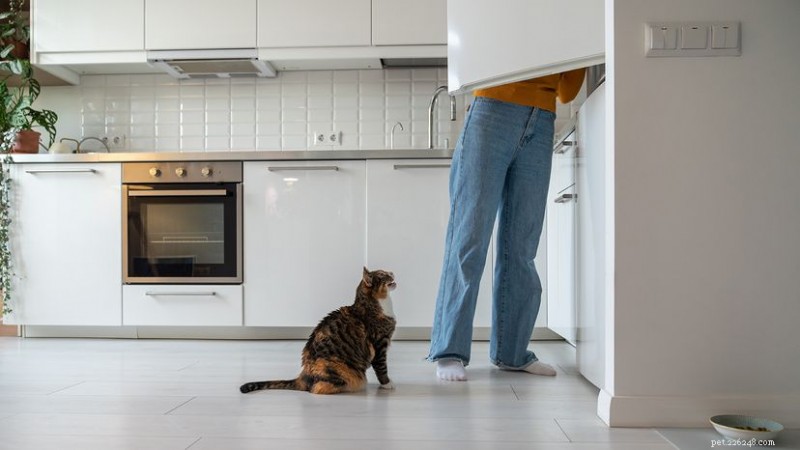
Many pet owners notice their cats calling for food immediately after finishing a meal. While some cats are naturally more vocal, persistent hunger can signal more than just a sweet tooth.
Understanding your cat’s appetite requires close observation of eating habits, weight changes, and activity levels. A balanced diet, appropriate portion sizes, and routine veterinary care are the cornerstones of feline nutrition.
How Much Food Is Enough?
Calorie needs vary by age, size, activity, and health. Indoor adults typically require 200–300 calories per 5 pounds of body weight, while active or outdoor cats may need up to 30% more. Always refer to the feeding guidelines on the food label and adjust based on your cat’s weight and condition.
Over‑feeding can lead to obesity, whereas under‑feeding may trigger chronic hunger. If your cat gains weight yet still begs for more, schedule a vet visit to rule out medical causes.
Medical Conditions That Trigger Excess Appetite
Hyperthyroidism is a common culprit in older cats. Excess thyroid hormone speeds metabolism, causing weight loss, increased thirst, frequent urination, and relentless hunger. Diagnosis involves a thyroid‑stimulating hormone (TSH) blood test and a urinalysis; treatment options include medication, dietary management, or radioactive iodine therapy.
Diabetes mellitus can also produce polyphagia. In diabetic cats, glucose cannot be properly absorbed, leading to constant hunger and erratic eating patterns. A veterinarian will use blood glucose and fructosamine testing to confirm the diagnosis and devise an appropriate diet plan.
Could Parasites Be the Problem?
Intestinal parasites, especially in young or outdoor cats, compete for nutrients and can leave a cat feeling perpetually hungry. A stool sample analyzed by a small‑animal specialist can detect common parasites such as roundworms, hookworms, or tapeworms. Deworming medication is usually effective and can restore normal appetite within days.
Behavioral and Environmental Factors
Sometimes “hunger” is a stand‑in for boredom. Indoor cats lacking enrichment—scratching posts, puzzle feeders, or interactive toys—may turn to food as a source of stimulation. Providing small, frequent meals and incorporating feeding puzzles can satisfy natural hunting instincts while preventing overeating.
When to Call the Vet
If your cat’s constant hunger is accompanied by weight loss, vomiting, increased thirst, or any new behavior changes, seek veterinary care promptly. Routine blood work and a physical exam can uncover hidden conditions early, ensuring your feline remains healthy and well‑fed without excess.
We created this guide with AI assistance and had it fact‑checked and edited by a HowStuffWorks editor to ensure accuracy and reliability.
- Pet Behavior
- Pet Breeds
- Pet Names
- Pet Adoption
- Pet Training
- Cat Stories
- Pet Health
- Adorable Pets
- Cats
- How to Safely Transition a Finicky Cat to a New Food Brand
- Veterinarian's Guide: 5 Proven Ways to Keep Your Cat Happily Healthy
- Why Do Dogs Dance to Music? Uncovering the Science Behind Canine Rhythm
- 14 Key Stroke Symptoms in Cats: Spotting and Responding Quickly
- Professional Shih Tzu Grooming: Haircuts & Styles for a Healthy Coat
- Effective Freshwater Dip: A Quick, Safe Treatment for Saltwater Fish Parasites
- Do Dogs Experience Enthusiasm? Exploring Their Emotional Capacity