

Why Does My Cat Flake? Causes, Diagnosis, and Expert Care Tips
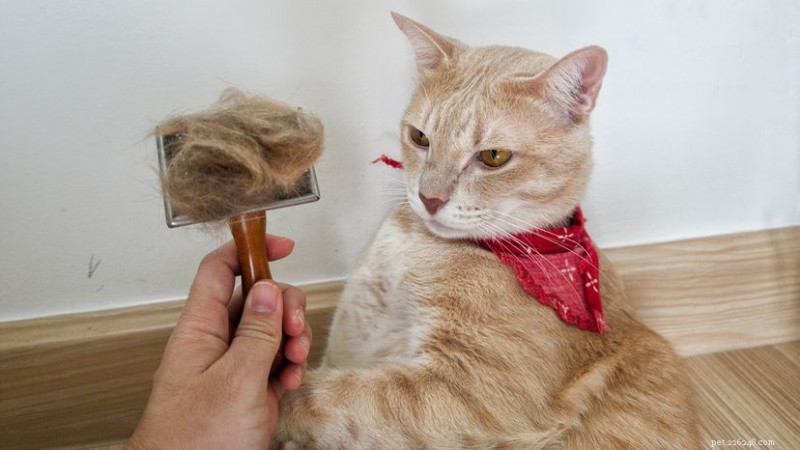
Pet owners should brush their cats regularly, whether the cat likes it or not. RJ22 / Shutterstock
White flakes on your feline’s fur or bedding might seem harmless, but they can signal deeper skin issues. While some flaking is normal, persistent dandruff deserves attention.
Dry Skin and Grooming Challenges
Dry air, especially during winter, strips essential moisture from a cat’s skin, leading to flaking and irritation. Forced‑air heating can exacerbate the problem.
Older cats or those with arthritis may not reach all body parts, allowing dead skin cells to accumulate. Long‑haired breeds also trap flakes in their undercoat.
Regular brushing—once or twice a day—distributes natural oils, removes loose flakes, and keeps the coat healthy.
Nutrition and Hydration Matter
A balanced diet rich in omega‑3 and omega‑6 fatty acids supports skin and coat health. Many commercial foods fall short, so adding wet food or a fish‑oil supplement can make a noticeable difference.
Adequate water intake is equally important. Dehydration can worsen dry skin. Cats often avoid drinking from bowls, so a running water fountain can encourage hydration.
Allergies and Parasites
Food sensitivities or environmental allergens—such as pollen, dust, or mold—can inflame the skin, producing flakes, itching, and hair loss.
External parasites like Cheyletiella mites (“walking dandruff”) or fleas can cause intense flaking and are contagious to other pets. Regular flea prevention and veterinary checks help rule out these causes.
Infections and Underlying Conditions
Bacterial or fungal skin infections disrupt the barrier, causing flaking, redness, and odor. Untreated infections can spread and worsen.
More serious diseases—such as chronic kidney disease or cutaneous lymphoma—can also present with skin changes. Noticeable weight loss, fatigue, or appetite changes should prompt a veterinary examination.
Treating and Preventing Cat Dandruff
Most dandruff cases are manageable. Daily brushing distributes oils and removes loose flakes.
Topical treatments—medicated shampoos or sprays—should only be used under a vet’s guidance. Avoid human shampoos and essential oils, which can irritate feline skin.
For recurrent problems, consider skin‑supporting supplements or adjustments to grooming practices. In some instances, a professional groomer may be needed to manage long or matted fur.
We created this article in conjunction with AI technology, then fact‑checked and edited by a HowStuffWorks editor.
- Pet Behavior
- Pet Breeds
- Pet Names
- Pet Adoption
- Pet Training
- Cat Stories
- Pet Health
- Adorable Pets
- Cats
- Effective Cat Drop Trap Techniques for Safe Capture
- Guide for Caring for Dogs with Dementia: A Survival Plan for Pet Parents
- How Wearable Tech Can Enhance Your Dog Training Success
- Top Dog Cone Alternatives – 2017
- Understanding Tracheal Collapse in Dogs: Causes, Symptoms, and Treatments
- Teach Your Dog to Use a Snowy Potty Spot: A Winter Training Guide
- 6 Dog Breeds That Suffer from Separation Anxiety: Proven Ways to Help Them