

The Birman Cat: From Near‑Extinction to Regal Household Companion
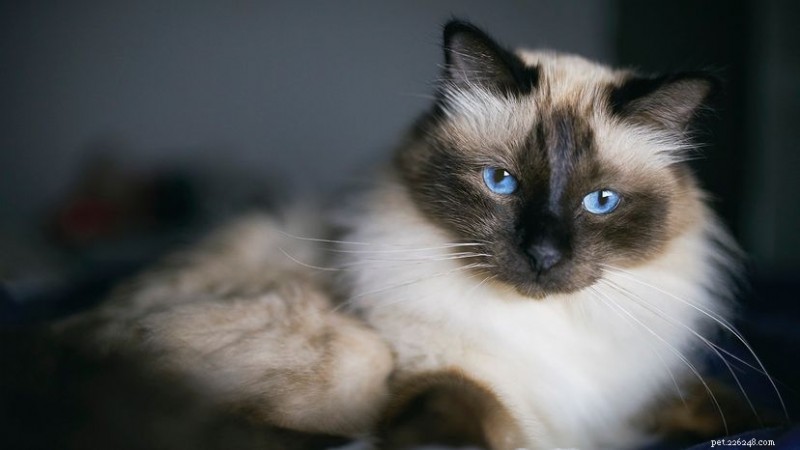
Why is it always so tempting to gently poke cat noses? Nico De Pasquale Photography / Getty Images
Known for their striking blue eyes and pristine white paws, the Birman cat has long been celebrated for its regal presence and gentle demeanor. Often referred to as the “Sacred Cat of Burma,” this elegant breed has captured the hearts of cat lovers worldwide.
Origins of the Sacred Birman
The story of the Birman begins in Myanmar (formerly Burma), where legend holds that these cats served as companions to Buddhist monks and temple priests. Their close association with religious sites earned them the title of sacred feline.
World War II posed a severe threat to the breed; only two purebred Birmans survived in Europe. Dedicated breeders rescued the lineage by carefully cross‑breeding with other long‑haired cats, all while preserving the Birman’s distinctive appearance.
Today, Birman breeders follow strict guidelines set by the Cat Fanciers Association (CFA) and the International Cat Association (TICA) to maintain the breed’s unique look and temperament.
Signature Looks of the Birman Breed
The Birman’s coat is silky, single‑layered, and features classic point markings on the face, ears, legs, and tail. The body is a creamy or fawn color, while the darker points appear in a variety of shades.
One of its most iconic features is the “white gloves” – perfectly white paws that contrast strikingly with the darker points.
Point variations include:
- Seal point, blue point, lilac point, chocolate point
- Tabby variations such as blue tabby point, seal tabby point, seal tortie tabby point, chocolate tabby point
- Tortie combos: seal tortie point, chocolate tortie point
- Unique mixes: blue cream tabby point, lilac cream tabby point, chocolate tortie tabby point
Breeders often name kittens within a litter using a single starting letter, a tradition upheld by both CFA and TICA.
Birmans as Pets
Highly social and affectionate, Birmans thrive on companionship. They’re gentle yet playful, and they bond deeply with other pets and people alike. Although not as vocal as some breeds, a Birman’s soft meows can be surprisingly expressive.
Physically, they are robust with a solid build, medium‑long Roman nose, and a rounded muzzle. Their hind legs are slightly longer than the front, giving them an elegant stance.
Grooming and Care
Thanks to its silky coat, a Birman requires minimal grooming. A weekly combing with a metal comb keeps the fur sleek and prevents matting. Regular nail trimming and access to scratching posts satisfy natural scratching instincts.
Queens should be kept comfortable and monitored during pregnancy, as kittens from purebred litters may need special care.
The Birman Legacy
From the early pair Orloff and Xenia de Kaabaa to modern show champions, the Birman has evolved from temple cat to household icon. They blend the elegance of a pointed breed with the warmth of a lap companion, earning a prominent place in elite cat club registries.
Whether you’re enchanted by a lilac tabby point or a rare blue‑cream goddess, the Birman remains one of the world’s most beloved cat breeds.
We created this article in conjunction with AI technology, then fact‑checked and edited by a HowStuffWorks editor.
- Pet Behavior
- Pet Breeds
- Pet Names
- Pet Adoption
- Pet Training
- Cat Stories
- Pet Health
- Adorable Pets
- Cats
- Master Dog Obedience: DIY Training Guide for Happy, Healthy Pets
- Lamb Meal for Dogs: Health Benefits & How to Serve Your Pet
- Are Amaryllis Flowers Pet‑Safe? Learn About Their Toxicity
- Recognizing Brucellosis in Dogs: Key Signs, Symptoms, and Risks
- Top 90+ Dog Breeds: Guard Dogs, Family Favorites, and More – Find Your Perfect Match
- 134 Halloween Dog Names: Spooky, Cute, and Creative Picks
- Are Blueberries Safe for Dogs? Proven Benefits & Feeding Tips