

Himalayan Cat: The Elegant Blend of Siamese and Persian Heritage
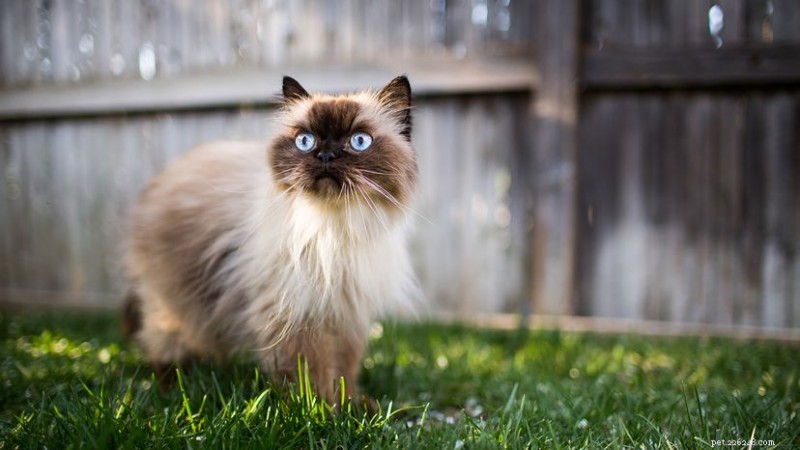
Meet the Himalayan cat, a striking blend of Persian elegance and Siamese refinement. With a long, silky coat, deep blue eyes, and a calm, affectionate nature, this breed stands out as the quintessential luxury pet.
Breeding the First Himalayan Cat
In the early 1930s, breeder Virginia Cobb and geneticist Dr. Clyde Keeler pioneered a selective breeding program that crossed Persian and Siamese cats. Their goal: combine the Persian’s plush, long hair with the Siamese’s color‑point pattern and signature blue eyes. The result was the first Himalayan kitten, a living testament to thoughtful breeding.
Official Classification
The Himalayan’s unique lineage has earned recognition from several cat associations. The Cat Fanciers’ Association (CFA) lists it as a color‑point variant of the Persian, while the International Cat Association (TICA) and the American Cat Fanciers Association (ACFA) regard it as a distinct breed. These distinctions highlight the breed’s dual heritage and its standing within the feline community.
What Makes a Himalayan Cat Unique?
Beyond its striking appearance, the Himalayan is known for:
- Color‑point pattern: Darker fur on the ears, face, paws, and tail, mirroring Siamese genetics.
- Blue eyes: A hallmark of Siamese ancestry, adding to the breed’s regal look.
- Affectionate temperament: Himalayans thrive on human companionship and are often described as lap‑cats.
- Low activity level: They enjoy gentle play, toy mice, and interactive games, but prefer relaxed environments.
Caring for a Himalayan Kitty
Due to their dense, long hair, Himalayans require daily grooming. Regular brushing prevents matting and controls shedding. Routine veterinary checks are essential, as the breed can be prone to genetic conditions such as progressive retinal atrophy and hypertrophic cardiomyopathy. Their brachycephalic faces may also lead to respiratory issues and excessive tearing, so keep their face clean and schedule regular vet visits.
Nutrition plays a critical role in maintaining a Himalayan’s health. Feed a high‑quality, balanced diet tailored to their activity level, and keep a consistent feeding schedule to manage weight and energy. Interactive toys help prevent boredom and encourage light activity.
Adopting a Himalayan
When choosing a Himalayan, partner with a reputable breeder who provides full health screening reports and lineage information. Prices vary widely—typically ranging from a few hundred to several thousand dollars—reflecting pedigree and breeder reputation. Remember, purchasing a Himalayan is an investment in a lifelong family member.
The Himalayan's Place in the Cat World
Today, the Himalayan ranks among the world’s most beloved breeds. Whether viewed as a sub‑breed of the Persian or a distinct lineage, its combination of luxurious fur, striking eyes, and gentle disposition continues to captivate cat lovers worldwide.
Himalayan vs. Persian: What’s the Difference?
Think of the Himalayan as a Persian cat with a Siamese flair. While both share a long, dense coat and a flat face, key distinctions include:
- Coloring: Himalayans exhibit pointed coloration—darker ears, face, paws, and tail—whereas Persians usually have uniform body colors.
- Eye color: Himalayans consistently have blue eyes; Persian cats may have copper, green, or blue eyes depending on coat color.
- Breed recognition: Some associations group Himalayans under the Persian umbrella, while others list them separately.
- Activity level: Himalayans tend to be more playful and interactive, reflecting Siamese ancestry, while Persians are generally more sedate.
For those seeking a regal presence with a hint of spirited personality, the Himalayan offers the perfect blend.
We created this article with AI assistance and then fact‑checked and edited by a HowStuffWorks editor.
- Pet Behavior
- Pet Breeds
- Pet Names
- Pet Adoption
- Pet Training
- Cat Stories
- Pet Health
- Adorable Pets
- Cats
- 2022 U.S. Pacman Frog Breeders – Find Trusted Sources & Safe Adoption Tips
- 7 Cost‑Effective Hamster Bedding Alternatives That Keep Your Pet Cozy and Healthy
- Blue Paul Terrier (Extinct): A Comprehensive Guide to the Scottish Breed
- Decoding Your Dog's Stare: What It Means When They Look at You or the Wall
- Understanding Vestibular Disease: Symptoms, Causes, and Hopeful Prognosis for Pets
- The Science Behind the Laughing Kookaburra’s Signature Call
- Why Dogs Keep Staring at You: Understanding Their Intense Gaze