

The Definitive Guide to Cat Coat Patterns and Genetics
Have you ever seen a cat that looks strikingly similar to yours? Cat coat patterns and colors are a fascinating result of genetics, influencing everything from the subtle nuances of a tabby stripe to the bold contrast of a calico. Understanding these patterns not only satisfies curiosity but also empowers you to provide the best care for your feline companion.
Why Do Cats Have Different Coat Patterns?
Genetics is the master architect of a cat’s appearance. Much like human eye or hair color, a cat’s coat is the product of inherited genes from its parents. The diversity of patterns—solid, tabby, tortoiseshell, and more—arises from variations in these genes. Even a hair‑less cat can exhibit distinct skin patterns, underscoring the depth of genetic influence.
Key Genes That Shape Coat Patterns
While the full genetic map is complex, several genes are pivotal in determining coat color and pattern:
- Chromosomes—Thread‑like structures that carry genetic instructions.
- Alleles—Different versions of a gene that occupy the same locus and dictate trait variations.
Agouti Gene (A)
The Agouti gene controls pigment banding. A dominant A allele produces a classic tabby pattern, whereas two recessive a alleles yield a solid black coat. Recessive agouti can combine with other color genes for varied solid hues.
Orange Gene (O)
Located on the X chromosome, the orange gene is sex‑linked. The dominant O allele allows orange pigment, while the recessive o allele suppresses it. Because males have one X chromosome, a single O allele often results in an all‑orange male cat, explaining why pure orange cats are typically male.
Colorpoint Gene (c)
Temperature‑sensitive, the colorpoint gene causes darker pigmentation in cooler body parts—ears, face, paws, and tail—while warmer areas remain lighter. Two recessive C alleles are required for this effect; a dominant C allele yields a uniform coat.
White Gene (DW) and White Spotting (Ws)
White coat expression is more intricate, involving the normal allele (N), the dominant white allele (DW), and the white‑spotting allele (Ws). Combinations of these alleles determine whether a cat is fully white, partially white, or simply has white spotting. Notably, DW alleles are associated with a higher risk of hearing impairment.
Speak With a Dutch Veterinarian About Your Cat’s Coat Health
- 24/7 access to top‑rated vets
- Unlimited vet calls & messaging
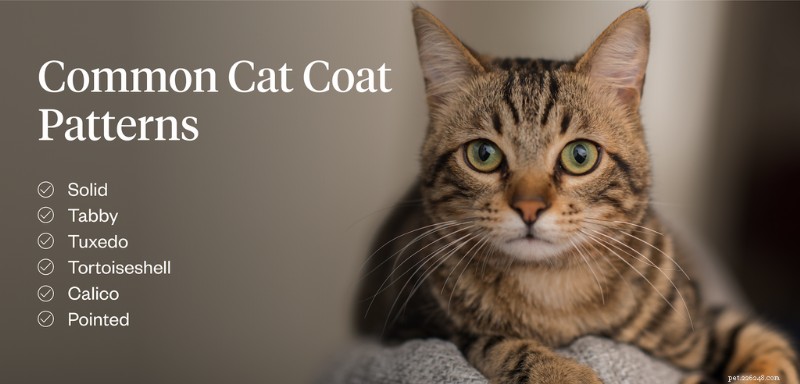
Common Cat Coat Patterns
Solid
Solid‑colored cats display a single hue—most commonly black, gray, or white—without any stripes or spots.
Tabby
Tabby patterns are among the most beloved and come in several subtypes:
- Classic tabby: Marbled swirl and spot pattern.
- Mackerel tabby: Vertical stripes resembling a fish skeleton.
- Spotted tabby: Broken stripes forming distinct spots.
- Ticked tabby: Subtle agouti hairs with faint markings.
- Patched tabby: Combination of brown and red patches across any tabby style.
Tuxedo
Black and white, these cats resemble a tuxedo, typically featuring a black body with white on the chest, face, and paws.
Tortoiseshell
Mix of two colors—usually black and orange—in a patchy pattern.
Calico
Three distinct colors—black, orange, and white—forming a striking patchwork.
Pointed
Darker extremities (ears, face, paws, tail) against a lighter body, resulting from temperature‑dependent pigment distribution.
Breeds With Signature Coat Patterns
Turkish Van
Known for its “van” pattern: a largely white body with color restricted to the tail and face, often including a tiny “thumbprint” on the back.
Bengal
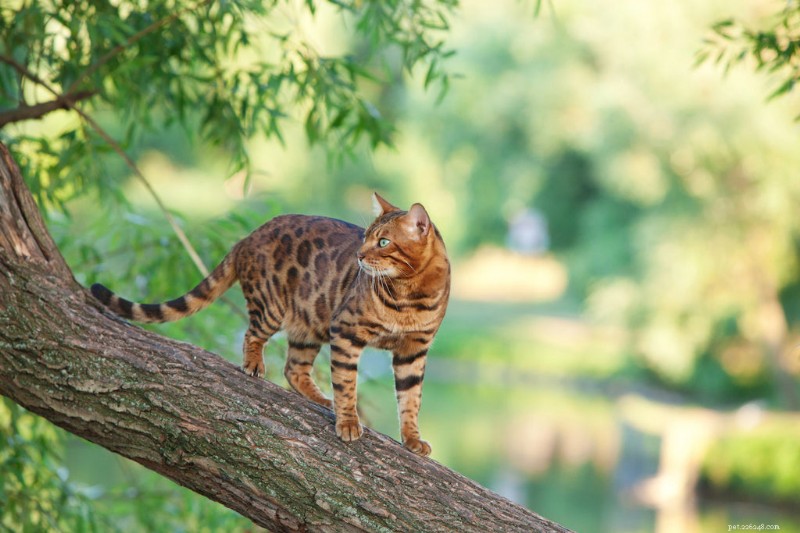
Features either a spotted or marbled pattern, echoing wildcat aesthetics and offering a uniquely dramatic look.
Coat Care Tips for All Cats
Healthy coat care is vital to prevent skin conditions like dermatitis. Here are evidence‑based practices:
- Regular brushing: Removes loose hair, reduces shedding, and prevents matting.
- Bathing: Ideal for outdoor cats to maintain coat cleanliness.
- Balanced nutrition: Omega‑3 and omega‑6 fatty acids support a smooth, lustrous coat.
- Hydration: Adequate water intake prevents dehydration‑related skin issues.
- Parasite control: Products such as Revolution Plus protect against fleas, ticks, and associated skin rashes.
- Routine vet visits: Early detection of coat problems and personalized care guidance.
- Allergy management: Identify and eliminate food or environmental allergens that affect skin health.
Revolution Plus for Cats
Keeping Your Cat’s Coat Healthy and Beautiful
From tabby to tortoiseshell, each coat pattern is a testament to feline diversity. Regardless of pattern, consistent care maintains a cat’s health and beauty. Dutch’s online pharmacy offers prescription delivery for flea and tick prevention, while our platform lets you video‑chat with a vet for personalized advice. Experience seamless, expert support to keep your cat thriving.
Speak With a Dutch Veterinarian About Optimal Coat Care
- 24/7 care from top‑rated vets
- Unlimited vet calls & messaging
- Pet Behavior
- Pet Breeds
- Pet Names
- Pet Adoption
- Pet Training
- Cat Stories
- Pet Health
- Adorable Pets
- Cats
- Lagotto Romagnolo Personality & Temperament Guide
- How to Pick the Perfect Dog Harness: Essential Tips
- Step-by-Step Guide to Successfully Breeding Betta Fish
- 7 Proven Ways to Keep Your Cat Calm During Flights
- Can Dogs Safely Eat Cream Cheese? Nutrition & Safety Tips
- German Shepherd Husky Mix vs. German Shorthaired Pointer: In-Depth Comparison
- Comfort Zone™ DAP Pheromone Plug‑In: Calm Your Anxious Dog