

10 Essential Beach Safety Tips for Dogs and How to Avoid Common Hazards
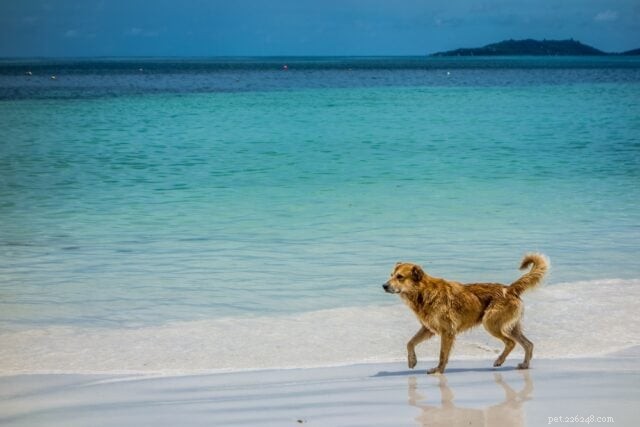
Key Takeaways: Bring plenty of fresh water, provide shade, keep your dog away from jellyfish and other hazards, and equip them with proper beach gear to prevent drowning, overheating, and sunburn.
Why Beach Safety Matters for Dogs
Dogs love to explore, but beaches present unique risks—saltwater, hot sand, strong currents, and marine wildlife—that many pups don’t recognize. Not every breed is a natural swimmer, so extra precautions are essential.
Common Beach Hazards
1. Saltwater
Ingesting salty seawater can cause dehydration, vomiting, diarrhea, and in severe cases, salt toxicity leading to brain swelling, seizures, or death.
2. Hot Sand
Even a brief contact can burn paw pads and raise core temperature, increasing the risk of heatstroke. Test sand temperature by pressing the back of your hand for 7 seconds; if it feels uncomfortable, it’s too hot for your dog.
3. Strong Currents
Rips and strong surf can quickly exhaust a dog and cause panic, making drowning a real danger for even confident swimmers.
4. Sand Ingestion (Impaction)
Dogs that swallow sand while playing can develop intestinal blockages, which may be life‑threatening.
5. Sun Exposure
Short‑haired, light‑colored, or hairless dogs can get sunburned on the nose, ears, and belly. Prolonged UV exposure raises the risk of skin cancer.
6. Jellyfish and Other Marine Debris
Jellyfish tentacles contain venom that can cause severe pain, swelling, breathing difficulties, or anaphylactic shock. Discarded fishing hooks, lines, and bait are also hazardous.
Before You Go: Preparation Checklist
1. Verify Dog‑Friendly Access
Check local regulations for leash laws, seasonal restrictions, and hours. Confirm on‑site signs to avoid fines.
2. Choose the Right Time
Plan visits for early morning or late afternoon to dodge peak heat.
3. Pack a Dog Beach Essentials Kit
- Fresh water & portable bowl
- Leash and waste bags
- Microfiber towel
- Life jacket
- Canine first‑aid kit
- Umbrella or portable shade
- Pet‑safe sunscreen
- Floating toys
- Paw balm
- Dog shoes
4. Hydration is Critical
Offer fresh water every 15–20 minutes. Lack of water may tempt your dog to drink saltwater, leading to toxicity.
5. Dress for Safety
Equip your dog with a well‑fitting life jacket, breathable booties, a cooling bandana, and, if needed, a sun shirt and pet‑safe goggles.
6. Spot Signs of Heat Exhaustion
Watch for excessive panting, drooling, weakness, disorientation, bright red or purple gums, or collapse. Move to shade and offer small sips of cool (not ice‑cold) water immediately.
7. Provide Shade and Rest
Set up a UV‑blocking pop‑up tent, canopy, or beach umbrella and schedule regular rest breaks.
8. Protect the Paws
Hot sand and hidden debris can burn or cut paws. Use waterproof booties or apply a pet‑safe paw wax before walking on sand.
9. Supervise All Swimming
Even strong swimmers need oversight. Keep your dog in a bright‑colored life jacket with a handle and stay close to the water’s edge.
10. Check Tides and Currents
Review NOAA tide and current forecasts to avoid rip currents and unexpected surf changes.
11. Scan for Marine Life
Leash your dog upon arrival and watch the high‑tide line for jellyfish, stingrays, seals, predatory birds, or rotting seaweed that could cause injuries or blockages.
12. Keep Your Dog Visible
Ensure ID tags, a microchip, and, if possible, a GPS tracker are up to date.
13. Rinse Thoroughly Afterward
Rinse your dog with fresh water for 3–5 minutes, focusing on belly, armpits, groin, and between toes. Follow with a dog‑specific shampoo and dry completely.
Frequently Asked Questions
Should dogs always wear life jackets when swimming?
Life jackets are strongly recommended for boats, open‑water swims, strong currents, puppies, seniors, and non‑swimmer breeds. They provide buoyancy and a handle for quick rescues.
How do I remove sand from my dog’s coat?
Rinse with fresh water before the sand dries, then brush the dry coat and check paws, ears, and skin for trapped particles.
Can dogs get sick from algae or polluted water?
Yes. Harmful algal blooms and bacterial contamination can cause serious illness. Avoid beaches with water‑quality warnings and prevent your dog from drinking seawater.
What should I do if my dog is stung by a jellyfish?
Move the dog away, rinse the area with seawater or vinegar (not fresh water), and contact a veterinarian promptly, especially if swelling or breathing issues arise.
Is it safe for dogs to play with driftwood or shells?
Better to avoid them. Driftwood can splinter, and shells can cut mouths or paws. Bring durable dog toys instead.
Ready for a safe and fun beach day with your furry friend? Follow these tips, stay vigilant, and enjoy the waves together!
Related Articles:
- Vet Warns Dog Owners: Avoid Your Fidos From Drinking Saltwater at the Beach
- 28 Dogs Feeling Fabulous at the Beach
- Best Dog‑Friendly Beaches in America
Comments are closed for this post.
- Pet Behavior
- Pet Breeds
- Pet Names
- Pet Adoption
- Pet Training
- Cat Stories
- Pet Health
- Adorable Pets
- Cats
- Arabian Horse Breed Profile: History, Traits, and Care
- Dog Vomiting: Causes, Symptoms, and When to Seek Veterinary Care
- Choosing the Right Dog Food for Allergies: Expert Tips & Alternatives
- Creating a Pet-Safe Garden: Tips for a Safe Outdoor Space
- Comprehensive Guide to Congestive Heart Failure in Dogs: Symptoms, Causes, and Care
- Canine Conjunctivitis: Causes, Symptoms & Effective Treatments
- 9 Must‑Follow Pomeranian Instagram Accounts That Will Melt Your Heart