

How to Know When Your Cat Becomes a Senior
Most indoor cats live 10–15 years, with some reaching 28. Generally, a cat is considered senior around 11–14 years of age, though individual health can shift this range.
Typical Signs of Aging
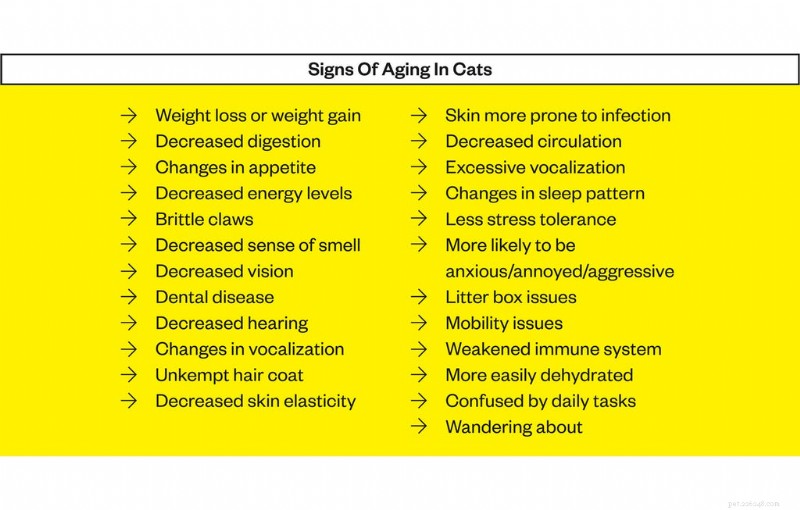
As cats age, you may notice changes in mobility, weight, dental health, behavior, cognition, vision, and litter‑box habits. Recognizing these signs early helps you decide when a veterinary check‑up is needed.
- Mobility issues: Stiffness, difficulty jumping, or arthritis may develop.
- Weight fluctuations: Muscle loss can make cats look thin, while a slower metabolism may cause weight gain. Healthy adults usually weigh 8–10 lb.
- Dental disease: Bad breath, loose or fractured teeth, and pain while eating.
- Behavioral changes: Increased anxiety, irritability, or aggression can signal pain or cognitive decline.
- Cognitive dysfunction: Disorientation or confusion, especially at night.
- Vision loss: Partial or total loss may result from aging or underlying disease.
- Litter‑box problems: More frequent urination, accidents, or difficulty accessing the box due to arthritis or kidney disease.
Common Health Issues in Senior Cats
- Kidney disease: Gradual loss of kidney function, leading to lethargy, weight loss, and increased thirst/urination.
- Hyperthyroidism: Overactive thyroid causing weight loss, increased appetite, hyperactivity, and coat changes. Treatment options include medication, radioactive iodine, surgery, or diet.
- Arthritis: Joint pain that can make climbing or jumping difficult. Management includes pain medication, weight control, and home modifications such as ramps or stairs.
- Diabetes: Elevated blood glucose often linked to obesity. Requires insulin injections and dietary management.
- Inflammatory bowel disease (IBD): Chronic GI inflammation; diet changes are the primary treatment.
Caring for a Senior Cat
Nutrition
Offer a balanced senior diet, possibly in smaller, more frequent meals to aid digestion. Ensure constant access to fresh water and discuss supplements with your vet.
Exercise & Mental Stimulation
Maintain daily play to prevent weight gain and support joint health. Use low‑impact toys, puzzle feeders, and horizontal scratching pads to keep both body and mind active.
Grooming & Dental Care
Brush your cat regularly to reduce hairballs and keep the coat healthy. Check nails weekly. Brush teeth with a cat‑specific toothpaste or provide dental treats to minimize periodontal disease.
Stress Reduction
Provide a quiet sanctuary, keep the household routine predictable, and minimize sudden changes that could cause anxiety.
Regular Veterinary Visits
Senior cats should see the vet at least twice a year for comprehensive exams, blood work, thyroid checks, and urinalysis.
Home Modifications
- Orthopedic or heated beds for joint comfort.
- Raised food and water bowls to ease eating.
- Non‑slip mats on slick floors.
- Ramps or pet stairs to replace jumping.
- Pillows or soft landing spots near favorite perches.

By monitoring these signs and providing tailored care, you can greatly improve your senior cat’s quality of life.
Talk to a Vet at Dutch About Your Senior Cat’s Health Today
- 24/7 care from top‑rated veterinarians
- Unlimited vet calls & messaging
- Pet Behavior
- Pet Breeds
- Pet Names
- Pet Adoption
- Pet Training
- Cat Stories
- Pet Health
- Adorable Pets
- Cats
- Are Marshmallows Safe for Dogs? A Guide to Pet-Friendly Treats
- 250 Unique & Memorable Dog Names That Stand Out
- 7 Fascinating Ways Cats Harness Their Powerful Sense of Smell
- Recognizing Low Potassium in Dogs: Key Symptoms & When to Seek Vet Care
- Avoid Common Pitfalls: Expert Tips for Potty Training Your Pup
- How Fish Gills Efficiently Extract Oxygen: The Key to Underwater Survival
- Integrating Human-Grade Food into Cancer Care: A Veteran’s Insightful Guide