

Why Cats Skip Covering Their Waste & Proven Ways to Get Them Back to Litter Box Etiquette
Everybody poops, it’s just a fact. Usually, we treat it as nothing more than a natural part of life, at least once we get past the age of diapers and immature jokes. But pet owners don’t have the luxury of ignoring their animal’s poop. For example, litter box scooping is a daily chore that no cat owner enjoys but the alternative is a smelly house or, worse, your cat refusing the box altogether.
Suppose during your daily scooping, you notice your cat has stopped covering their poop, making the box extra messy and stinky. Do you wonder why that is? Here are seven reasons that cats don’t cover their poop and some ideas for how to make them do it.

Why Cats Don’t Cover Their Poop
1. They’re Marking Their Territory
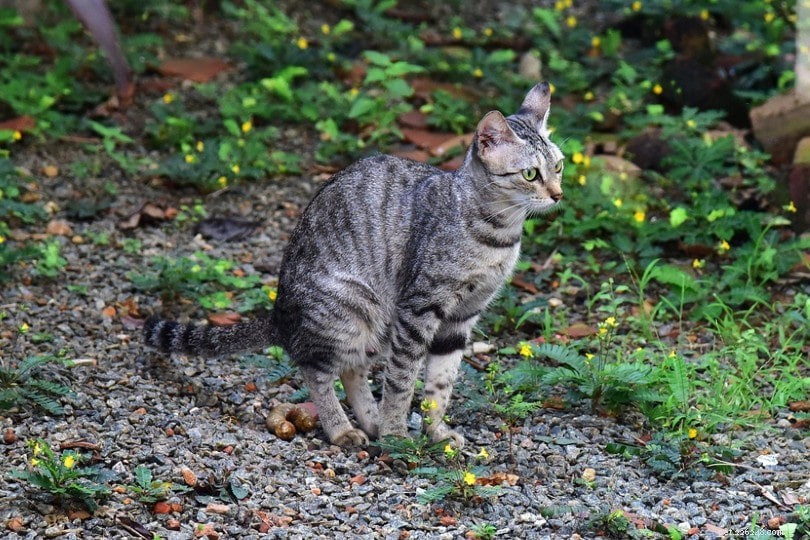
In the wild, big cat species leave their poop out and uncovered as a way of marking their territory. The sight and scent of the feces send a signal to other cats that their space is off-limits. Domestic cats may leave their poop uncovered for similar reasons.
If you have more than one cat, this is an especially strong possibility. Even single cats may feel the need to start marking their territory in response to changes in the household or even the appearance of stray cats in the neighborhood.
2. They Don’t Like Their Litter
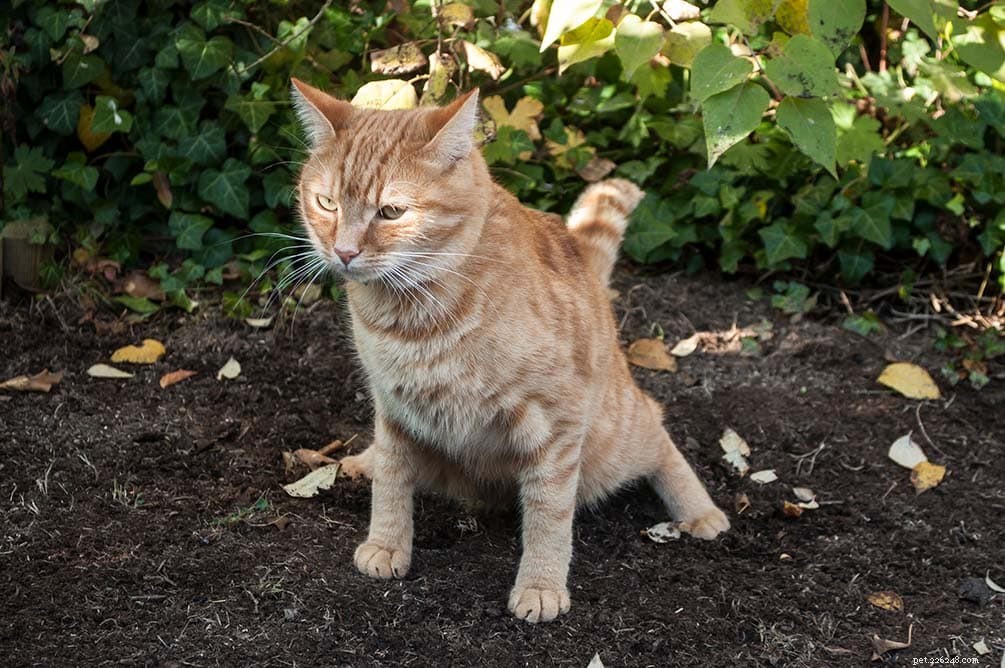
Cats can be notoriously picky about their toilet arrangements. The causes of litter box aversion are many and varied and often make no sense to our human brains. If you’ve recently changed litter brands or types and your cat suddenly stops covering their poop, it could be because they don’t like their litter. They may still use the box, but they don’t like digging or covering up when they do.
3. The Litter Box Is Too Small
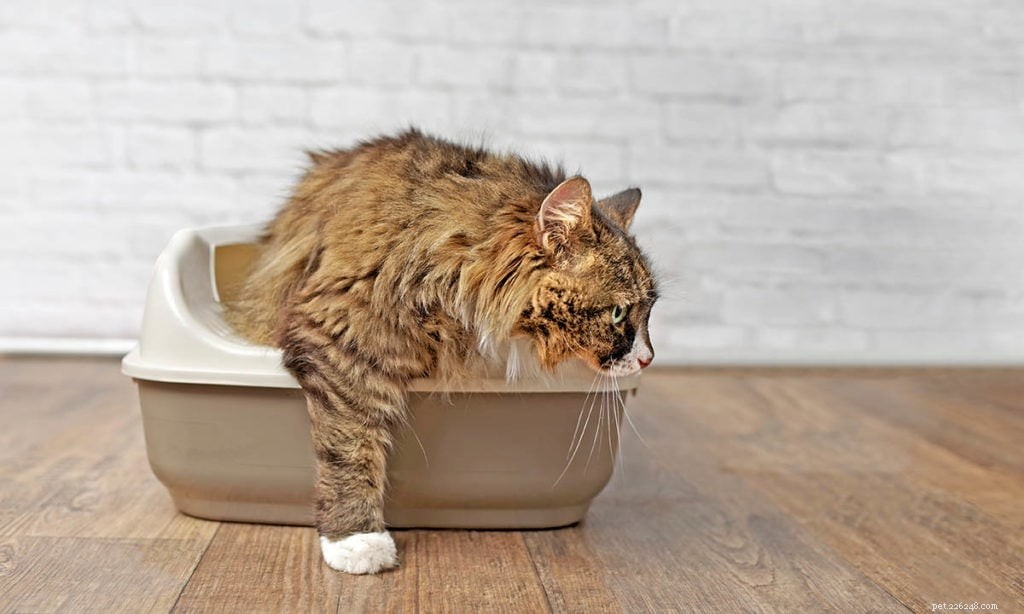
Cats need a litter box that’s large enough for them to comfortably turn around in. If they can’t do so, they may neglect to cover their poop because they don’t feel like they have the space to do it properly.
Some cats may still manage by reaching back into the box but most will just leave their poop for you to find and take care of. Large cat breeds like Maine Coons might especially have trouble keeping their poop covered with a small litter box.
4. They Never Learned How
Covering poop isn’t always an instinctive behavior in cats, but a learned or modeled one. Cats who consistently leave their feces out and about may simply have never learned how to bury it. Many stray or outdoor cats leave their poop uncovered and kittens raised outside may think this is the normal way to deal with their deposits. Orphaned and bottle-raised kittens won’t have their mother to model poop covering and could grow up leaving it out.
5. The Litter Box Is Dirty
If your cat is still using a dirty litter box at all, even if they don’t cover their poop, consider yourself lucky! Most cats will just avoid an unclean box entirely, pooping or urinating right next to it or in other locations in the house.
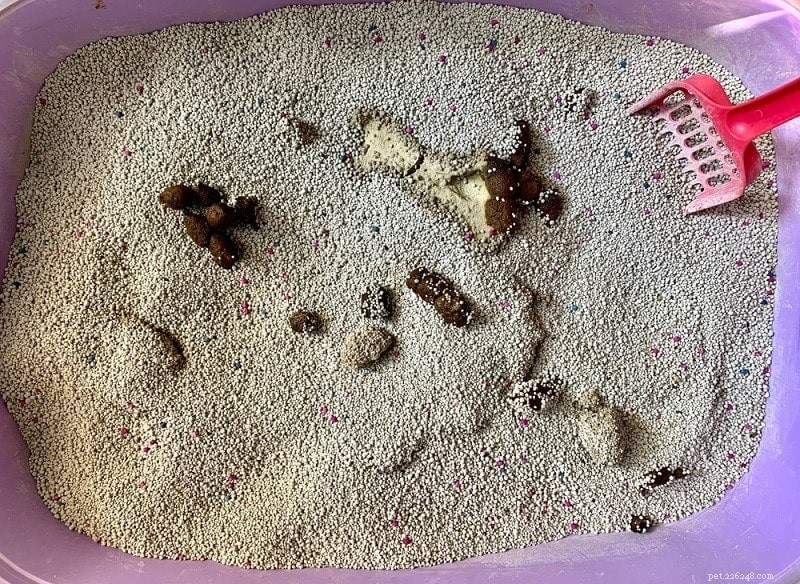
Wet, dirty litter is hard and uncomfortable for the cat to dig in, especially clumping litter. They may not physically be able to get enough clean litter scratched up to cover their poop. Cats also just don’t like being in a dirty box and may employ a “get in and get out” strategy, leaving poop uncovered.
6. They Have A Medical Issue
No specific medical issue is responsible for a cat failing to cover their poop but several different health concerns can also lead to the behavioral change of not burying feces. In most cases, the cat finds it too painful to cover their poop.
Older cats who suffer from joint pain such as arthritis may stop covering their poop because it hurts. Cats dealing with a paw or nail infection or who’ve recently been declawed may also avoid burying their poop.
Sometimes cats who have a urinary tract infection or another condition causing painful urination may associate the litter box with pain and start avoiding it or spending as little time as possible in the box, leaving poop uncovered in the process.
7. They Don’t Feel The Need To Lay Low Anymore
While dominant wild cats leave their poop uncovered to mark territory and intimidate other cats, more submissive wild felines do the opposite: covering their poop to stay out of trouble and off the radar of the bosses.
In your house, a cat who previously kept their poop covered may reverse course if the power structure of the house changes. This could occur if a dominant cat passes away or moves out. It could also happen if you add a new cat to the house and the resident submissive cat feels the need to assert dominance over the newcomer.
How To Get Your Cat To Cover Their Poop
Solving the riddle of making your cat cover their poop depends on which of the 7 reasons is responsible. Fortunately, the same solutions can help eliminate several of the elimination problems.
If The Problem Is The Litter Box…
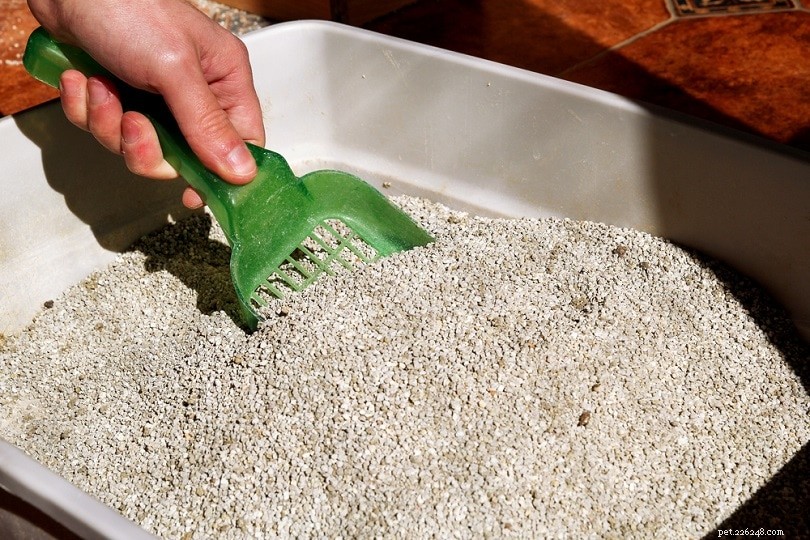
Make sure your cat’s litter box is big enough, kept clean, and filled with a litter they are comfortable using. Usually, a fragrance-free clumping litter is the best option, but every cat is different. Once you find a litter brand that your cat likes, keep using it to avoid any issues.
Litter box placement is another key factor in avoiding issues like not covering poop. Place your cat’s box in a quiet, safe location away from their food and water bowls.
If The Problem Is Medical…
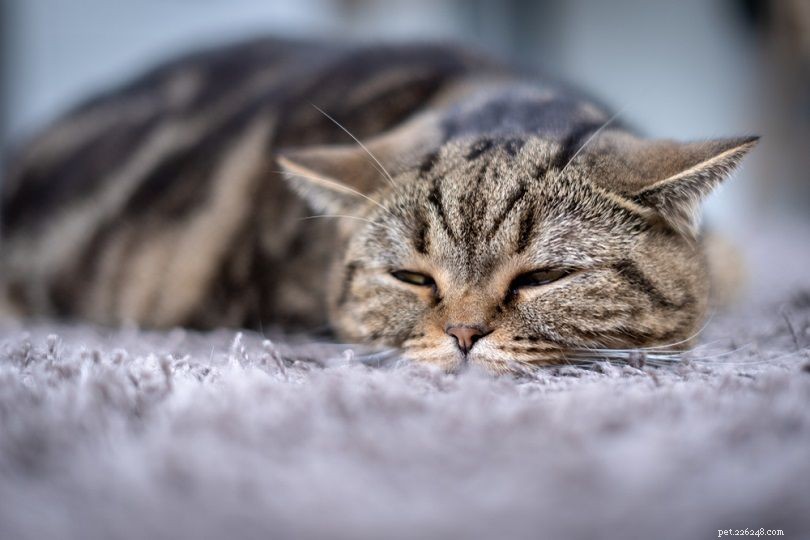
Take your cat for a vet visit if you’re concerned they may have a medical problem leading to the uncovered poop.
You’ll likely notice other signs if your cat is in pain or has a urinary problem such as the following:- Reluctance to jump or climb stairs
- Vocalizing when urinating
- Limping
- Increased inactivity
- Urinating in inappropriate spots
Don’t hesitate to contact your vet if you’re worried about your cat. If your cat is male, be especially vigilant about any urinary problems because they can develop a life-threatening urinary blockage.
If The Problem Is Other Cats…
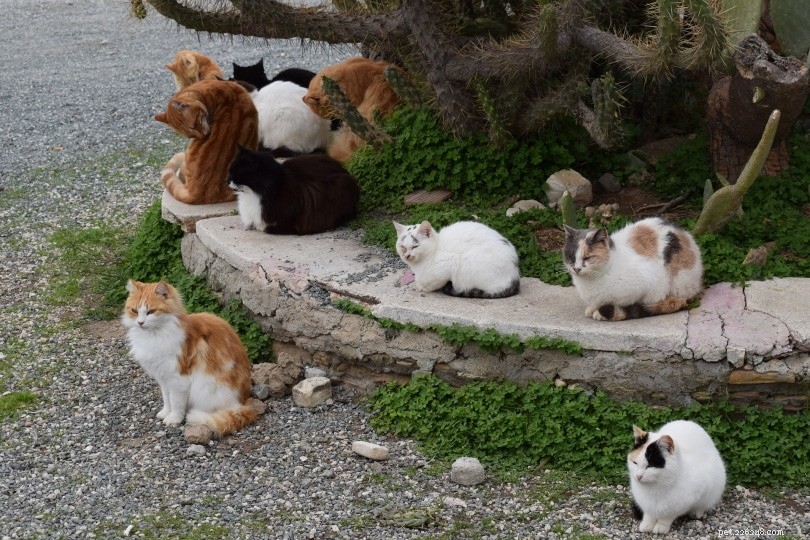
Make sure you have enough litter boxes for the number of cats in your house. The rule of thumb is to have one more litter box than you do cats. Having enough boxes should help your cats feel less inclined to bicker over space or leave poop uncovered to mark their territory.
You should also make sure your house is as stress-free as possible for your cats. Ensure all the cats feel like they have their own space by providing multiple beds, hiding spots, toys, cat trees, and even soothing pheromone diffusers as needed.
If stray cats are stressing your cat, try to discourage them from hanging out in your yard or garden. Rescue groups may be able to help with relocating or rehoming stray cats. If the cats have owners and you know who they are, try speaking to them about keeping their cats confined.
You can also speak to your vet about strategies or medications to help your cat deal with the outside intruders if there’s no way to avoid them.

Conclusion
Having a cat toilet in your house is bad enough, but when your cat leaves their poop uncovered, the smell and the unsightliness grow even worse. In addition, what seems like a simple behavior change like suddenly leaving poop unburied could be a sign of a deeper, more concerning problem. Whatever the reason for your cat not covering their poop, take the time to find out, with the help of your vet if necessary, to make sure your cat remains happy, healthy, and stress-free.
- Pet Behavior
- Pet Breeds
- Pet Names
- Pet Adoption
- Pet Training
- Cat Stories
- Pet Health
- Adorable Pets
- Cats
- Why Cats Scratch Their Litter Boxes & How to Stop It – 5 Key Reasons
- 7 Key Reasons Cats Dislike Car Rides & How to Ease Their Travel Stress
- Why Cats Pick a Favorite Human: The Science Behind Their Choice
- Cats, Meet Your New Role: Caring for Your Human – Advice from the UK's Leading Feline Charity
- Why Ferrets Steal: 4 Key Reasons & How to Stop the Habit
- Why Cats and Horses Can Be Unexpected Best Friends: 5 Surprising Reasons
- Detecting and Preventing Tick Infestations in Cats: A Vet-Approved Guide