

How Often Should You Change Your Cat's Litter? Expert Tips & Timing Guide
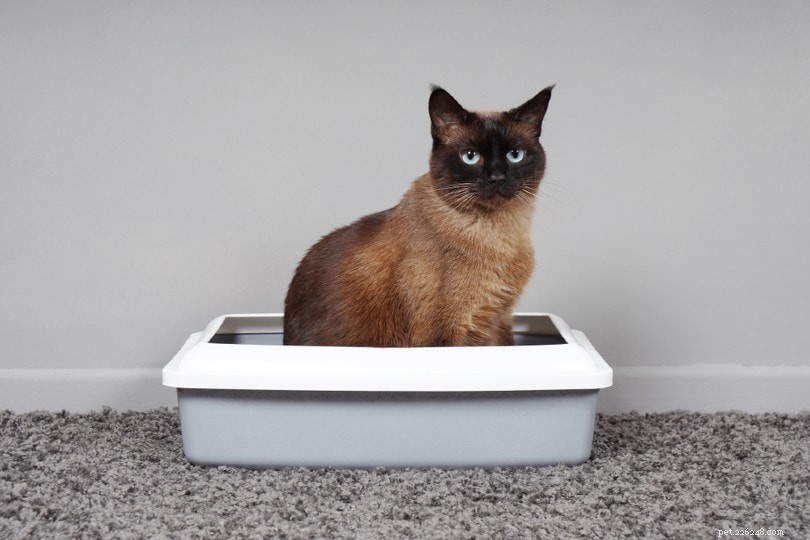
The concept of a litter box seems pretty straightforward, but it can actually raise many questions, especially for new cat owners. Trying to figure out how long cat litter lasts and how often to change it out can get confusing. It can be difficult to establish an effective routine because many factors affect the state of your cat’s litter box.
There’s no simple answer, but there are several key questions that you can answer to find the correct frequency for changing cat litter. Keep reading and ask yourself the following questions to figure out a routine that works best for you and your cats.
 How Many Cats Do You Have?
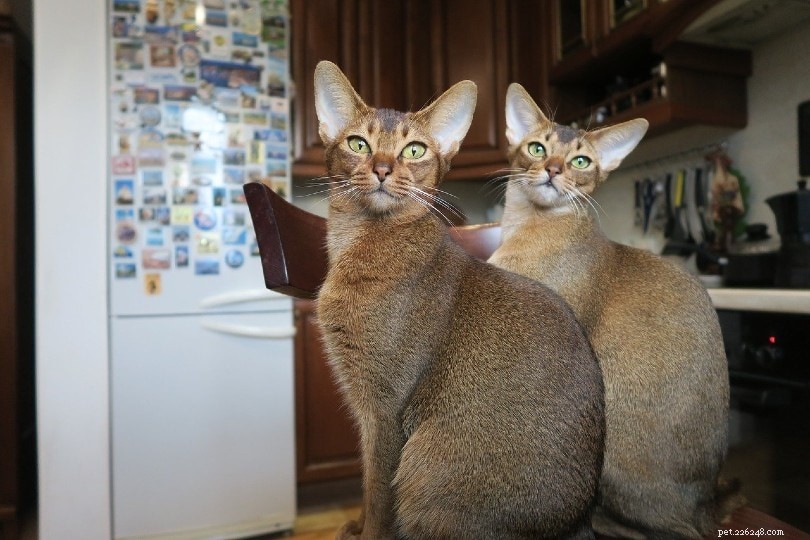
There should be one litter box per cat plus one more. So, if you have two cats, you should have at least three litter boxes in your home. The reason for this arrangement is to prevent overcrowded use. There are also some situations where some cats may not like to use the same litter box as another cat.
You might think that having more boxes means that you have to spend more time cleaning. However, this isn’t always the case. It doesn’t take as much time to simply scoop up clumps and soiled spots or quickly dispose of the cat litter and refill it. On the other hand, it takes longer to clean a completely soiled litter box thoroughly, especially if it collected urine on the bottom.
 How Frequently Does Your Cat Use the Litter Box?
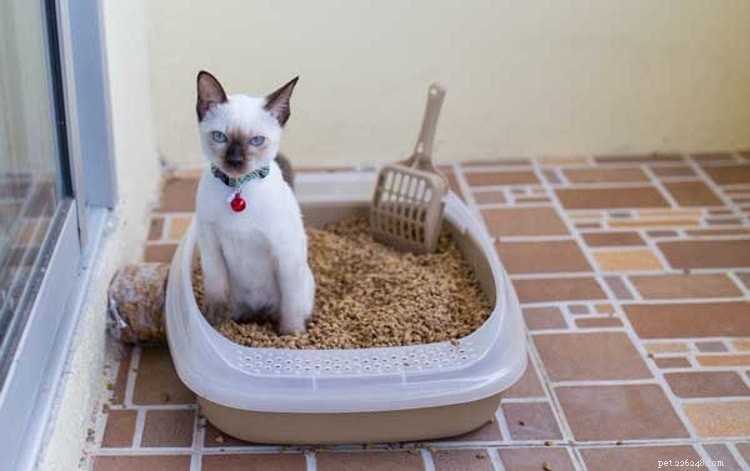
Cats relieve themselves about 2 to 4 times a day. Some cats may relieve themselves in large amounts, while others barely go. This frequency and quantity will affect how often you must change out the litter.
 What Type of Cat Litter Do You Use?
Some types of cat litter are more absorbent than others. Some are good at masking odors. There are also clumping and non-clumping varieties.
In general, if a type of litter clumps well, you don’t have to change it as often as non-clumping kinds. This is because urine can reach the bottom of a litter box more quickly with non-clumping cat litter.
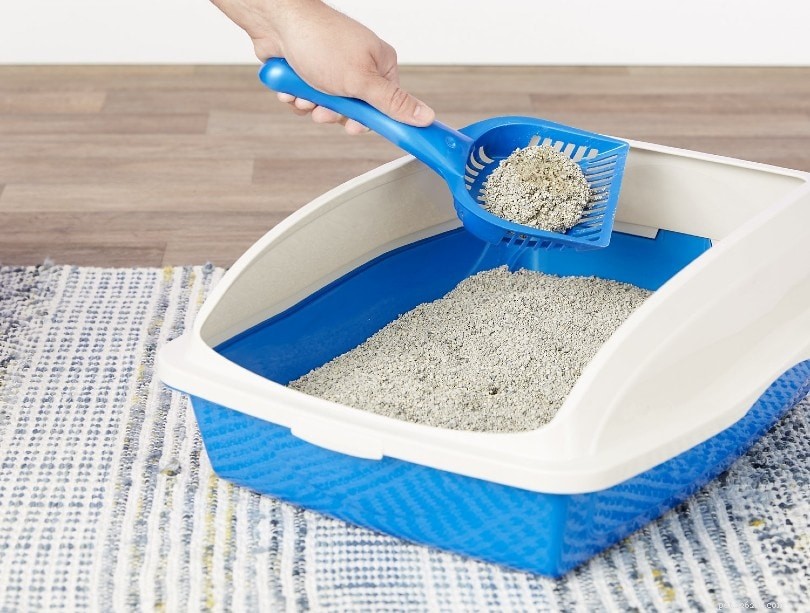
There are eight common types of cat litter, and each one affects how often you have to change your litter box. Here’s a quick rundown of the pros and cons of each one.
Clumping Clay
- Good at odor control
- Clumps quickly
- Not environmentally friendly
- Can be expensive
Non-Clumping Clay
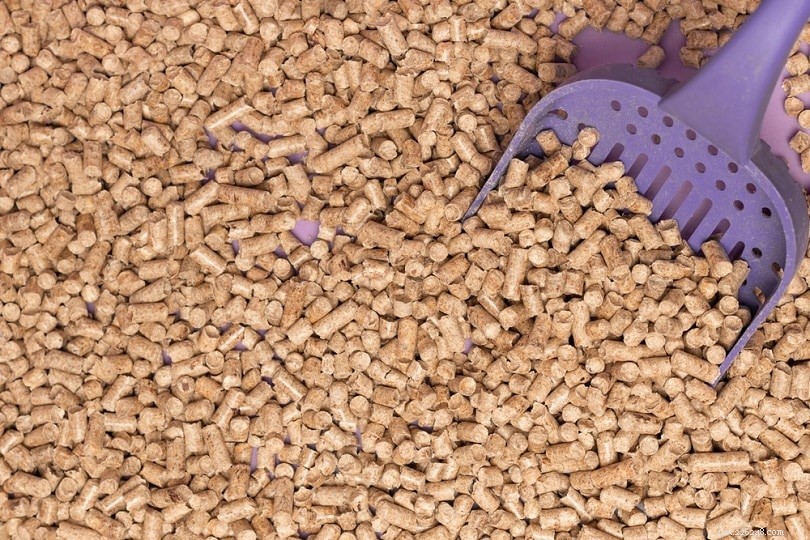
- Very absorbent
- Budget-friendly
- Not environmentally friendly
- Difficult to scoop without changing the whole litter box
Corn
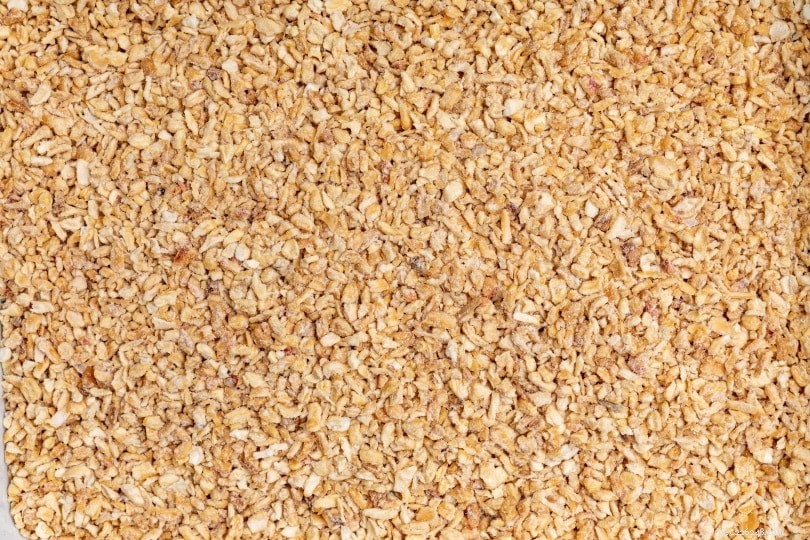
- Clumps very well
- Traps ammonia smell very well
- Environmentally friendly
- Can be expensive
- Not good at trapping feces odor
Wheat
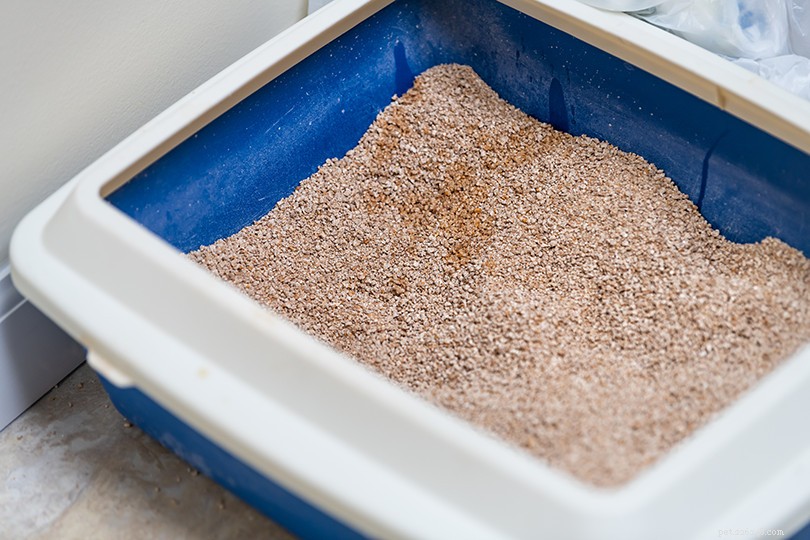
- Blocks odors well
- Biodegradable
- Dust-free
- May not clump as well as clay
- Pets develop aflatoxin on rare occasions
Pine
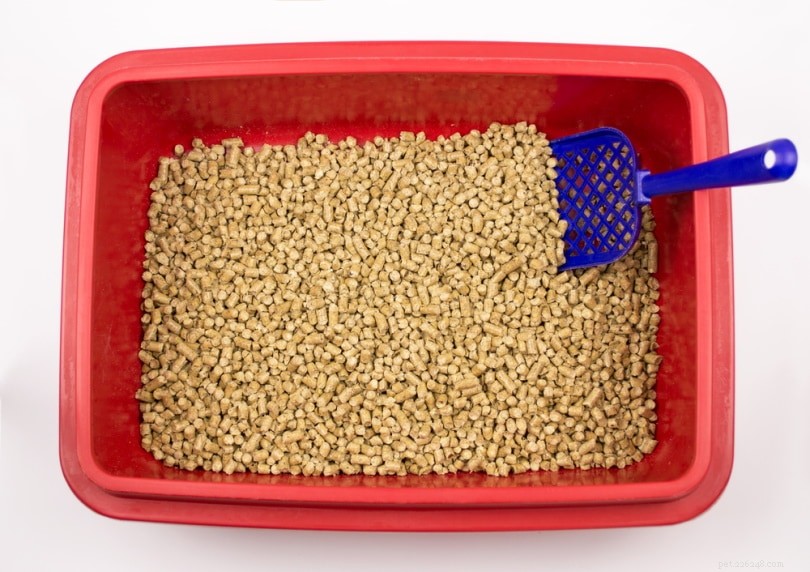
- Natural scent and deodorizer
- Compostable
- Difficult to scoop without changing the whole litter box
- Pine smell may be too strong
Walnut Shell
Pros- Very absorbent
- Blocks odors well
- Biodegradable
- Difficult to scoop without changing the whole litter box
- Sticks to cat’s paws
Recycled Paper
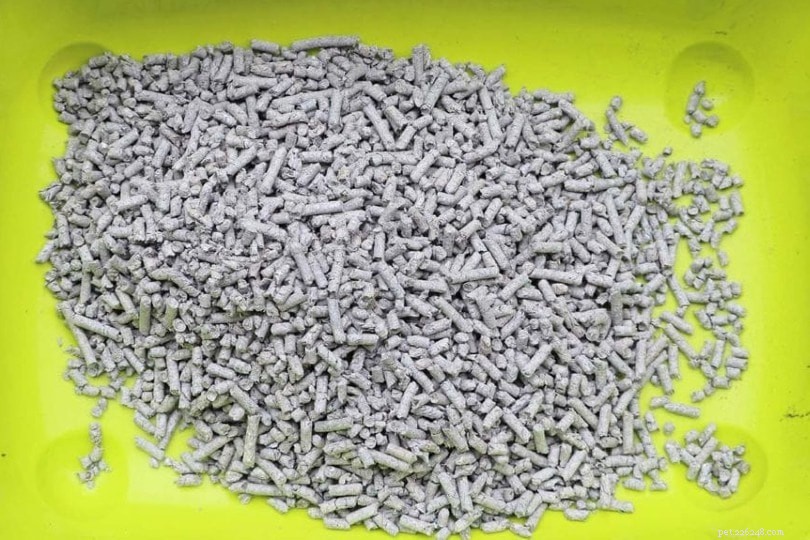
- Budget-friendly
- Absorbent
- Dust-free
- Difficult to scoop without changing the whole litter box
- May not mask odors well
Silica
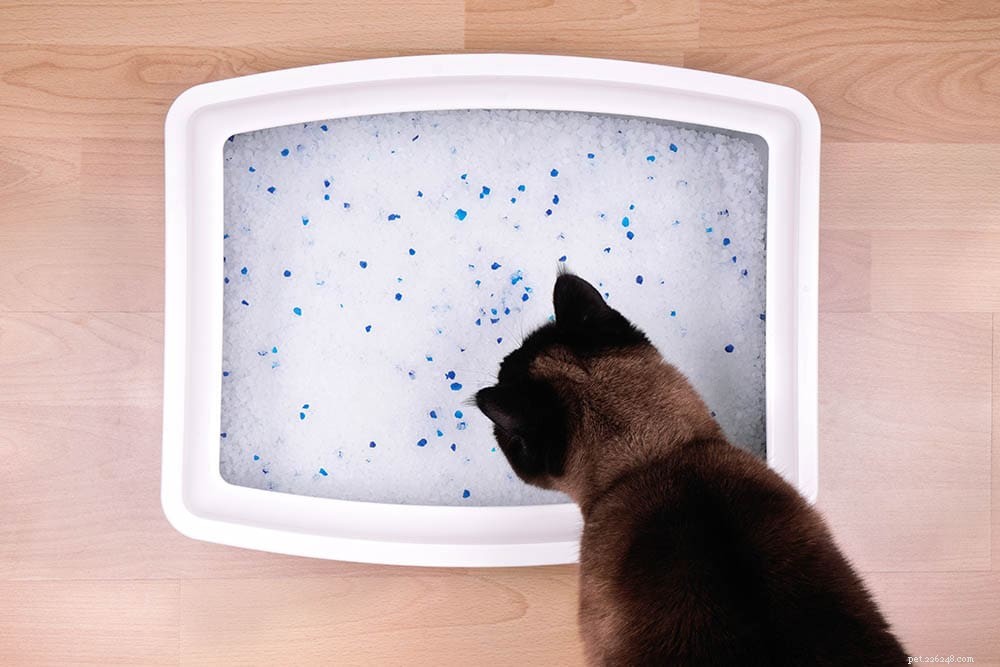
- Very absorbent
- Long-lasting
- Dust-free
- Can be expensive
- Cats may not like its texture
How Long Can You Keep Cat Litter?
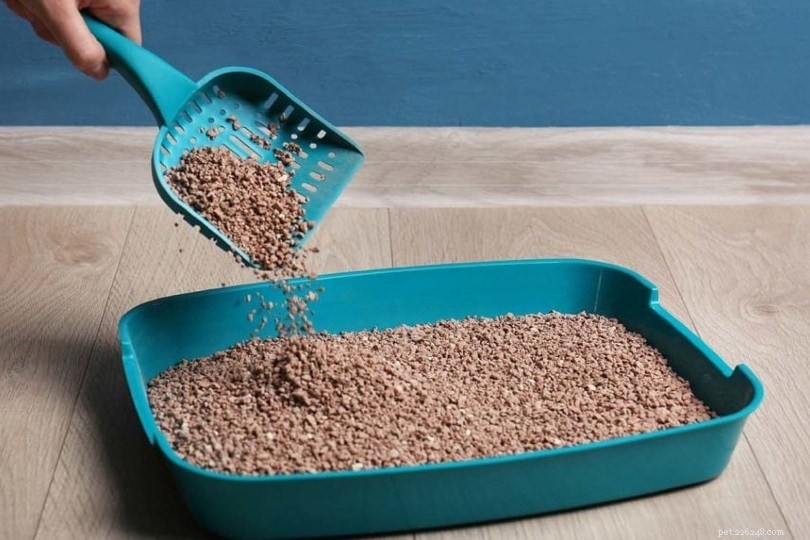
You can develop a good routine after considering the number of cats, how often they relieve themselves, and the type of cat litter you use.
Now, it’s time to test out and experiment to find a customized system for you. It’s good practice to scoop urine and feces every day and thoroughly wash out and disinfect your litter box every 2 to 4 weeks.
In between washing out your litter box, you should change out the cat litter. It’s common to change it once or twice a week. However, this can vary depending on your circumstances.
The goal is to change the cat litter at the appropriate time before you start to experience certain warning signs. These signs indicate that it’s past time to change the cat litter:
- Strong smell
- Most or all the litter is damp or soaked
- Cats are relieving themselves outside of the litter box
- Cats aren’t using the litter box at all
Ultimately, you’ll know the best schedule for changing out the cat litter. It may take some time, but once you figure it out, it can end up saving you a lot of time and money.
Frequently Asked Questions
Now that you have a better idea of how often you should change cat litter, here’s additional information to help you develop a litter box schedule that works best for you and your cat.
How Can I Make My Cat’s Litter Last Longer?
Cat litter can get expensive, so it’s worthwhile to figure out how to use it as efficiently as possible. Here are some things you can try:
- Scoop clumps and soiled spots daily
- Use a slotted scoop for clumps
- Sweep unused litter back into the litter box
- Fill litter box with 2 to 3 inches of cat litter
- Use a dehumidifier to keep cat litter dry
What Happens When You Don’t Change Cat Litter?
A dirty litter box can end up causing health concerns for your cat:
- UTI
- Bladder infection
- Kidney problems
- Fungal infections
These health concerns can start to occur when cats don’t want to use dirty litter boxes and choose to hold off on relieving themselves. They can also get sick by catching diseases and parasites in unclean litter.
Your cats can also start to feel stress and develop unwanted behaviors. They can end up disregarding the litter box altogether and start peeing anywhere in the house.
A dirty litter box can also affect human health. It can transfer bacteria and parasites and overexpose you to ammonia. Therefore, both cats and humans benefit from a clean litter box.
Is It Bad to Change Your Cat’s Litter?
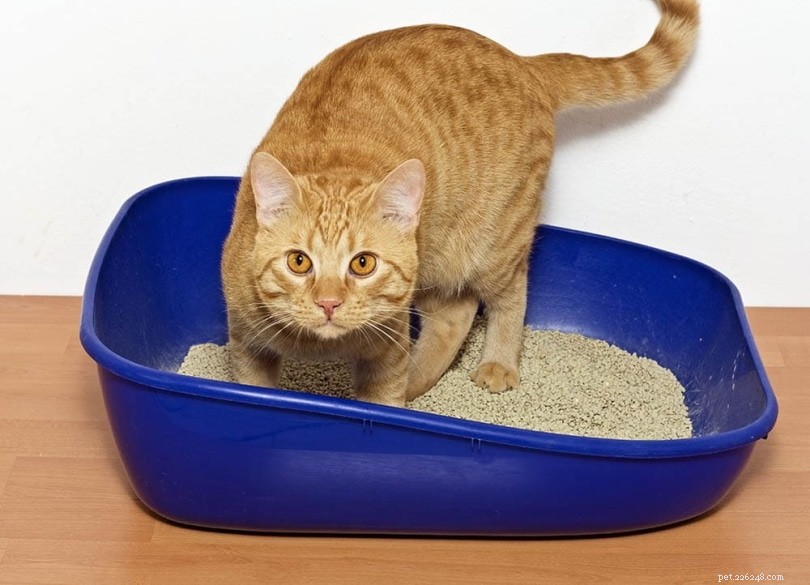
Most cats are creatures of habit, so once they like a particular type of litter, they may resist using a different kind. Therefore, it’s best to find a cat litter that works and stick with it.
If you must change your cat litter, you can try by making a gradual switch. Start by putting a small amount of the new cat litter on the bottom of the litter box. Then, cover it up with the old cat litter. Keep adding small increments of the new cat litter until you’ve entirely switched over.
The goal is to make the change unnoticeable to your cats. You can expect the switch to take up to several days to a week.
Conclusion
A clean litter box greatly benefits both humans and cats. Therefore, it’s important to develop an adequate and efficient routine. A good litter box cleaning routine includes scooping daily, regularly changing out the cat litter, and deep cleaning the litter box.
Take some time to experiment with the frequency of changing out cat litter. This process can help you save time and money in the long run and create a happy and harmonious home for you and your cats.
- Pet Behavior
- Pet Breeds
- Pet Names
- Pet Adoption
- Pet Training
- Cat Stories
- Pet Health
- Adorable Pets
- Cats
- When to Change Your Cat’s Litter: A Practical Guide
- How Deep Should Cat Litter Be? 3 Essential Tips
- Move Your Cat’s Litter Box Safely: A Step‑by‑Step Guide
- Optimal Vet Visit Frequency for Your Cat: A Comprehensive Guide
- Daily Cat Water Refresh: Why and How to Keep Your Feline Hydrated
- Rabbit Bedding Care: When to Replace Litter for a Healthy Home
- Bathe Your Cat Safely: A Step-by-Step Guide