

Are Snake Plants Poisonous to Cats? Key Facts and Safety Tips
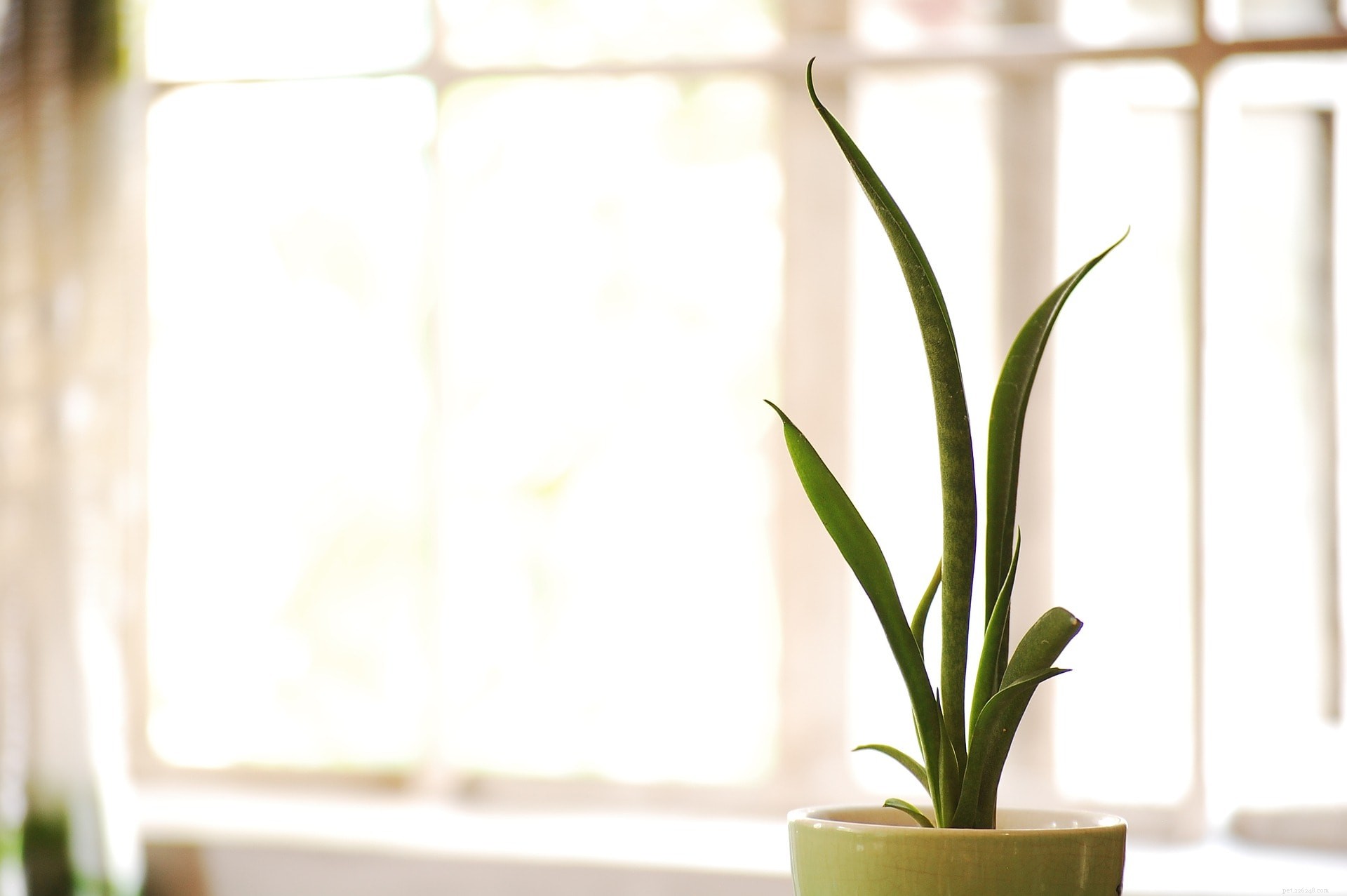
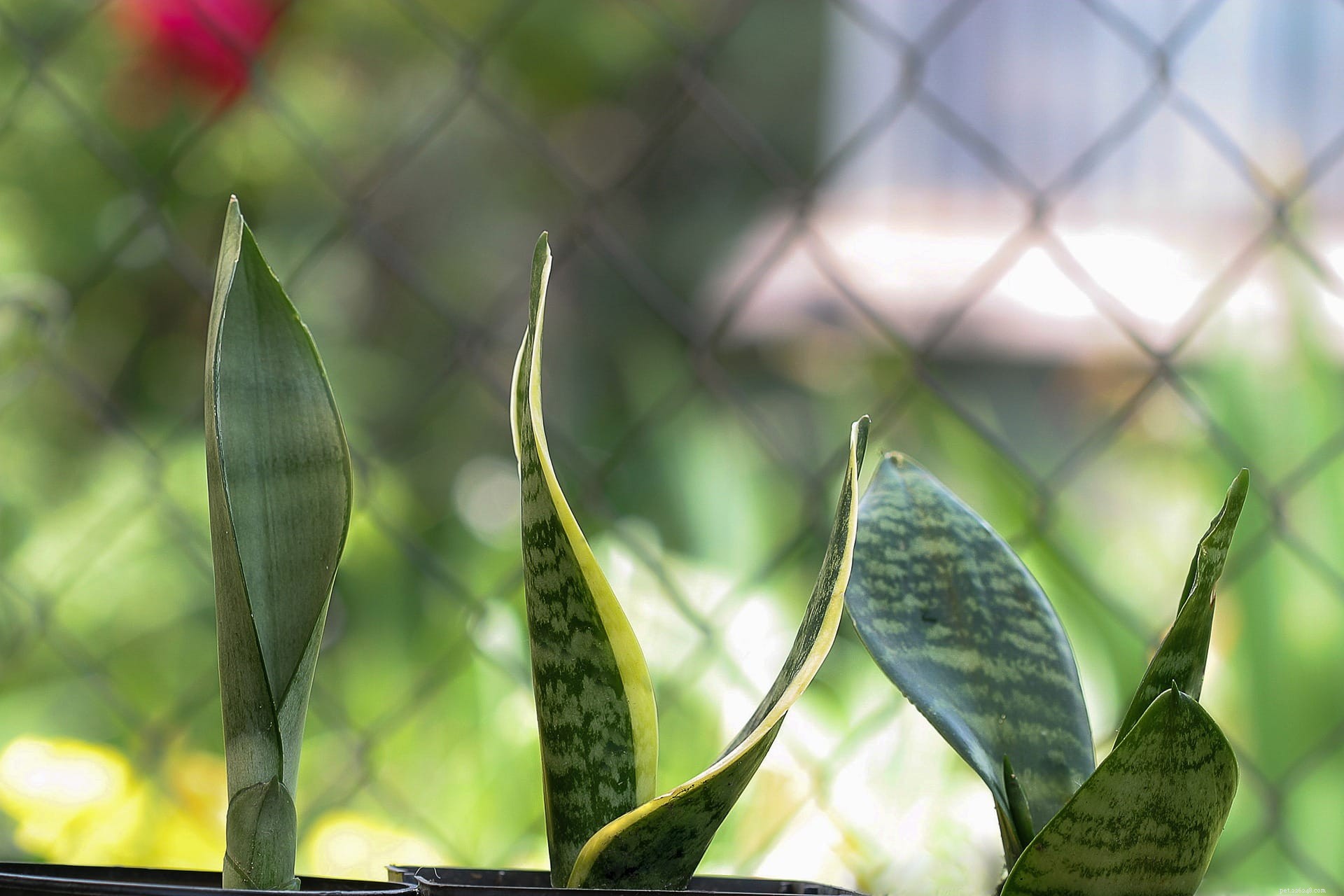
Snake plants are popular houseplants because they’re hardy plants with easy care needs. However, snake plants are toxic to cats, and dogs, for that matter. The type of toxin they contain is saponin. Saponin is a defensive mechanism that many plants use to protect themselves against insects, microbes, and fungi.
If you already have a snake plant, not all hope is lost. There are some things you can try to prevent your cats from ingesting it. There are also many other beautiful cat-friendly houseplants that you can purchase to decorate your home.
We’ve laid out everything you need to know about snake plants and several other common plants that are toxic to cats. We’ve also provided a list of cat-friendly houseplants so that you have some options to inspire your interior design creativity.
What Happens If My Cat Ingests a Snake Plant?
When a snake plant’s leaf breaks, it releases saponins. Cats that take a bite out of the plant will first experience the toxin’s bitter taste.
Then, if cats ingest the plant, they can experience several symptoms:- Nausea
- Vomiting
- Diarrhea
- Depression
- Abdominal discomfort or pain
- Drooling
- Loss of appetite
- Swollen mouth and throat
Cats with chronic illnesses or conditions are at risk of experiencing more severe symptoms.
Because of the bitter taste, cats will most likely only ingest a little bit of a snake plant leaf or may even spit it out. Fortunately, consuming a small portion of saponin isn’t fatal to cats. Therefore, you’ll most likely see your cat experiencing symptoms for about 1-2 days.
Make sure to contact your veterinarian right away if you suspect that your cat ingested a large piece of a snake plant leaf or if you notice severe symptoms or allergic reactions, such as swelling or itching.
Your veterinarian can assess the situation and prescribe antihistamines for allergies and other medication to help soothe your cat’s stomach and GI tract.

How to Stop Cats from Eating Snake Plants
You can try some methods to discourage your cats from playing near a snake plant or taking a bite out of it.
You can try these methods, but keep in mind that no method is guaranteed to prevent your cat from ingesting a toxic plant. Therefore, it’s best to remove these types of plants from your home if your cat consistently tries to eat them.
1. Relocate the Plant
You can try to keep the plant in a location that’s far away from your cat’s eating area, furniture, and litter boxes.
One of the safest places for the plant is a room that has a door that you can close so that you don’t have to worry about your cats when you can’t keep an eye on them. Fortunately, snake plants don’t require too much sunlight, so they can do well in rooms with less natural light.
2. Place the Plant on a Stand
You can also try to place the plant on a plant stand or an isolated shelf so that your cat has a more difficult time reaching it. There are many different kinds of plant stand designs, so you shouldn’t have too much trouble finding one that fits in with the rest of your furniture.
3. Make the Plant Smell Bad
You can try to repel your cat from the snake plant by surrounding it with smells that are generally unpleasant to cats. Most cats dislike citrus scents, so you use the juice or zest of lemons, limes, or oranges to discourage them from approaching the plant.
Cats also don’t like cinnamon or cayenne pepper, so you can try sprinkling either of these spices in the dirt.
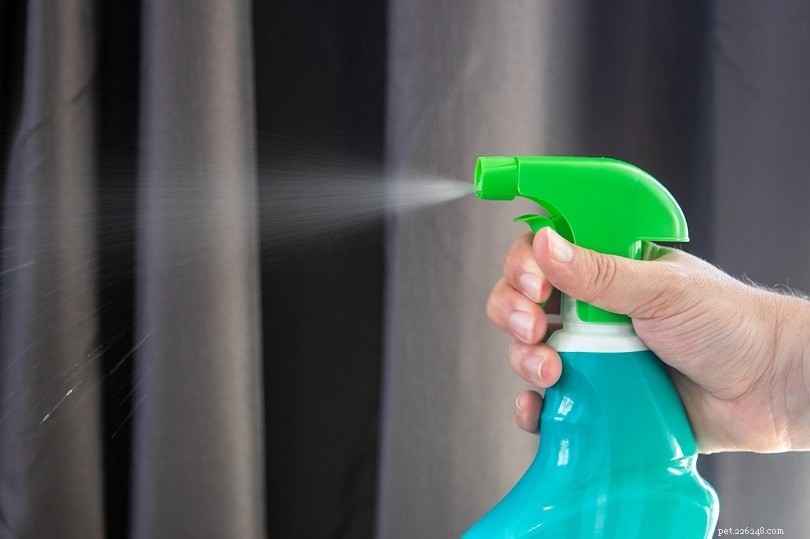
4. Spray Plant Leaves with Pet Spray
There are several plant sprays in the market that work to discourage pets from chewing on certain items. Most flavors are bitter apple or citrus. Just keep in mind that cats have different preferences, so they might not mind some sprays while they don’t like other ones. Therefore, it might take a couple of tries before you find a spray that effectively repels your cat.
You’ll also have to find a spray that’s safe for your plant’s leaves. Start by spraying one area of the plant to see if it harms the plant. Once you find a spray that works, spray the plant’s leaves with the manufacturer’s recommended frequency.
You can also use a solution of one part vinegar and three parts water to spray onto the leaves.
5. Cat Grass
If your cat just enjoys chewing on leafy things, you can try redirecting it to cat grass. Cat grass is relatively easy to grow and maintain. It also contains nutrients and fiber, so it can be a healthy snack for your cats.
Common Houseplants That Are Toxic to Cats
Houseplants add a warm and lively touch to living spaces. However, many common varieties are actually toxic to cats. Here are several popular houseplants that cat owners should avoid. Just keep in mind that this is a non-exhaustive list, so make sure to research if a plant is non-toxic before you bring it home.
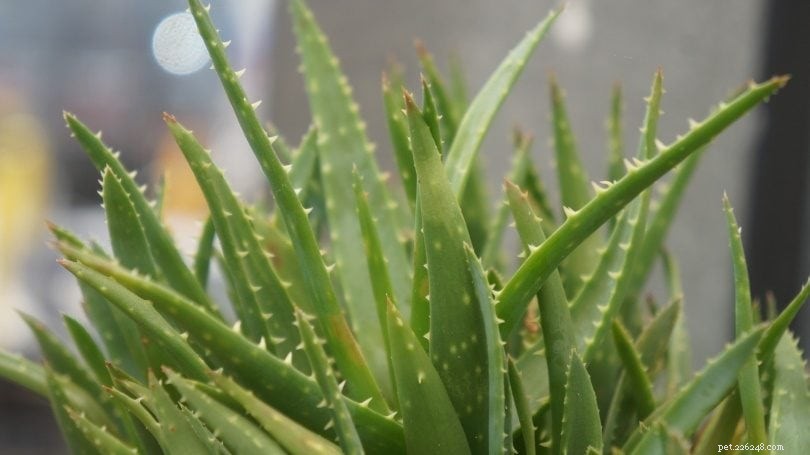
1. Aloe Vera
Humans may experience several health benefits from the aloe vera plant. However, this plant is toxic to cats. It contains saponins and anthraquinones.
Cats that ingest this plant can experience the following symptoms:
- Vomiting
- Lethargy
- Diarrhea
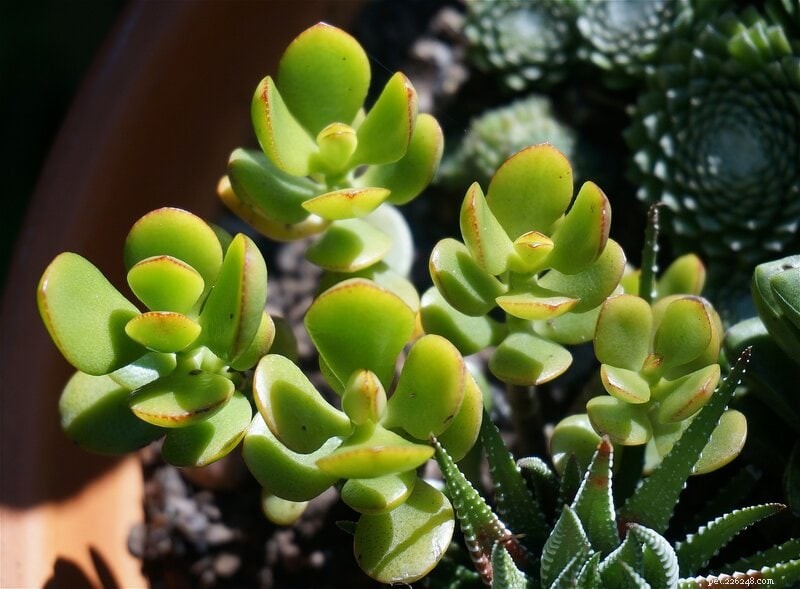
2. Jade
These plants go by several different names:
- Rubber plants
- Money plants
- Lucky plants
All jade plants are toxic to cats. Its toxic principles are currently unknown, but if you suspect that a cat has eaten a jade plant leaf.
Cats that ingest this plant can experience the following symptoms:
- Vomiting
- Depression
- Incoordination
3. Monstera Deliciosa
The monstera deliciosa is a type of philodendron with many interchangeable names used by different retailers:
- Hurricane plant
- Swiss cheese plant
- Ceriman
- Mexican breadfruit
- Split-leaf philodendron
- Window leaf plant
The toxins that this plant contains are insoluble calcium oxalates. Cats that ingest this plant can experience the following symptoms:
- Oral irritation
- Intense burning on mouth, tongue, and lips
- Drooling
- Vomiting
- Difficulty swallowing
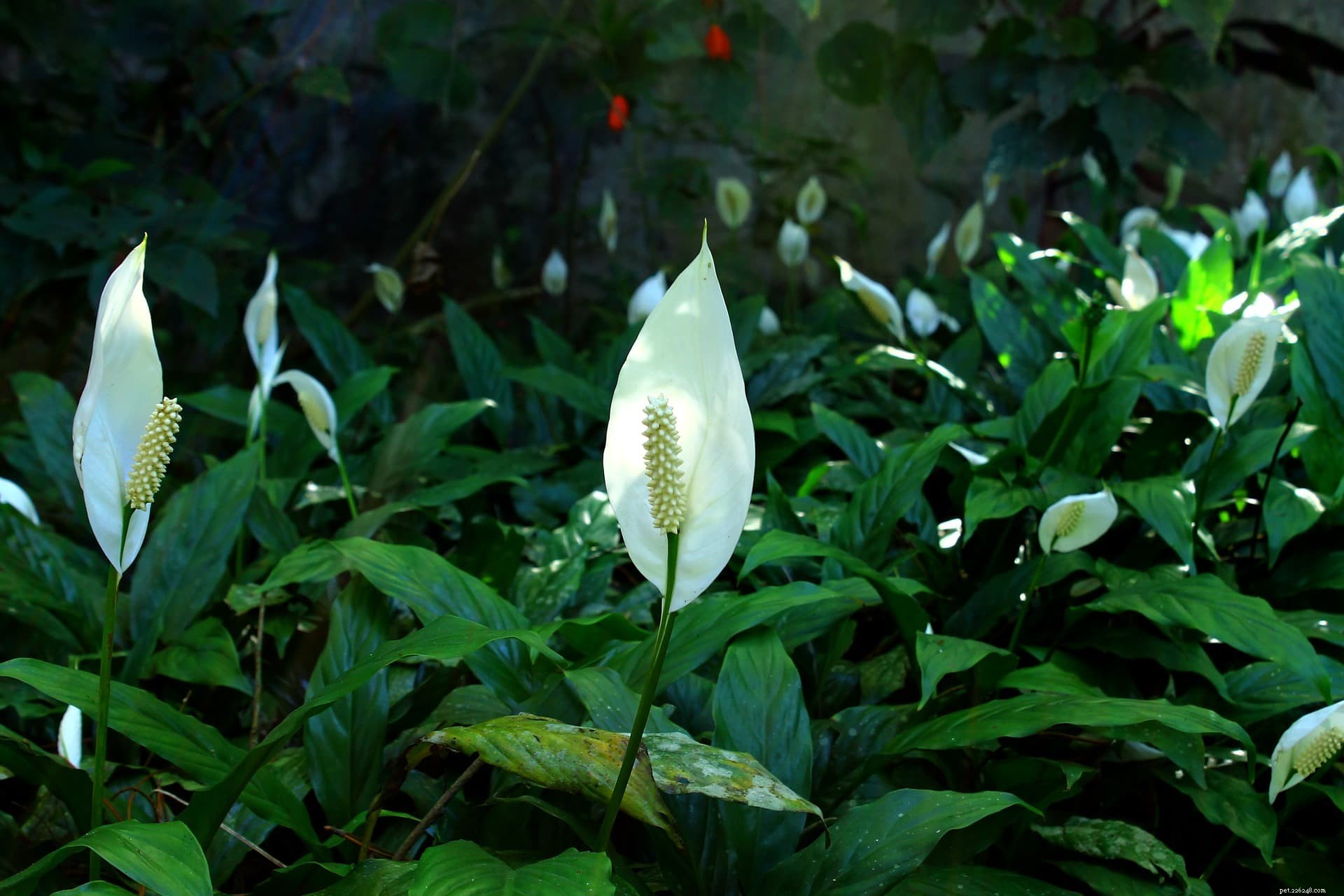
4. Peace Lilies
Peace lilies also contain insoluble calcium oxalates. Therefore, cats will show similar symptoms as cats that ingest monstera deliciosa:
- Oral irritation
- Intense burning on mouth, tongue, and lips
- Drooling
- Vomiting
- Difficulty swallowing
Related Read: Are Peace Lilies Toxic to Cats? What You Need to Know!
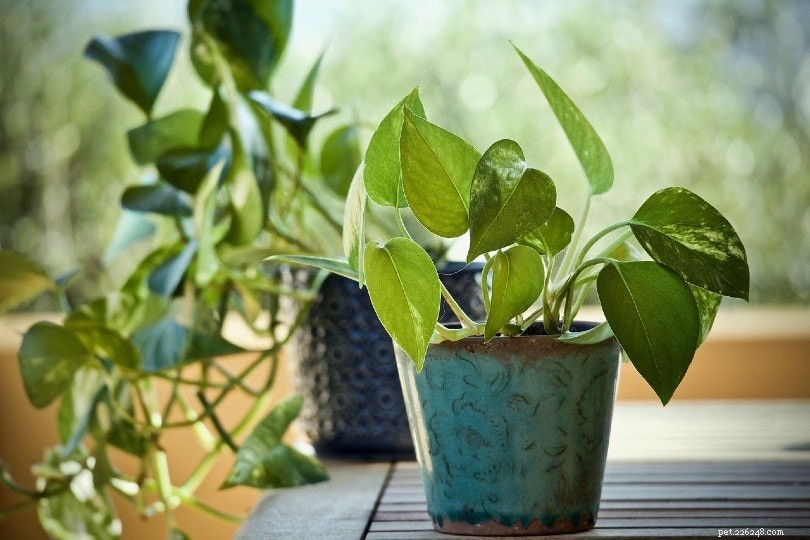
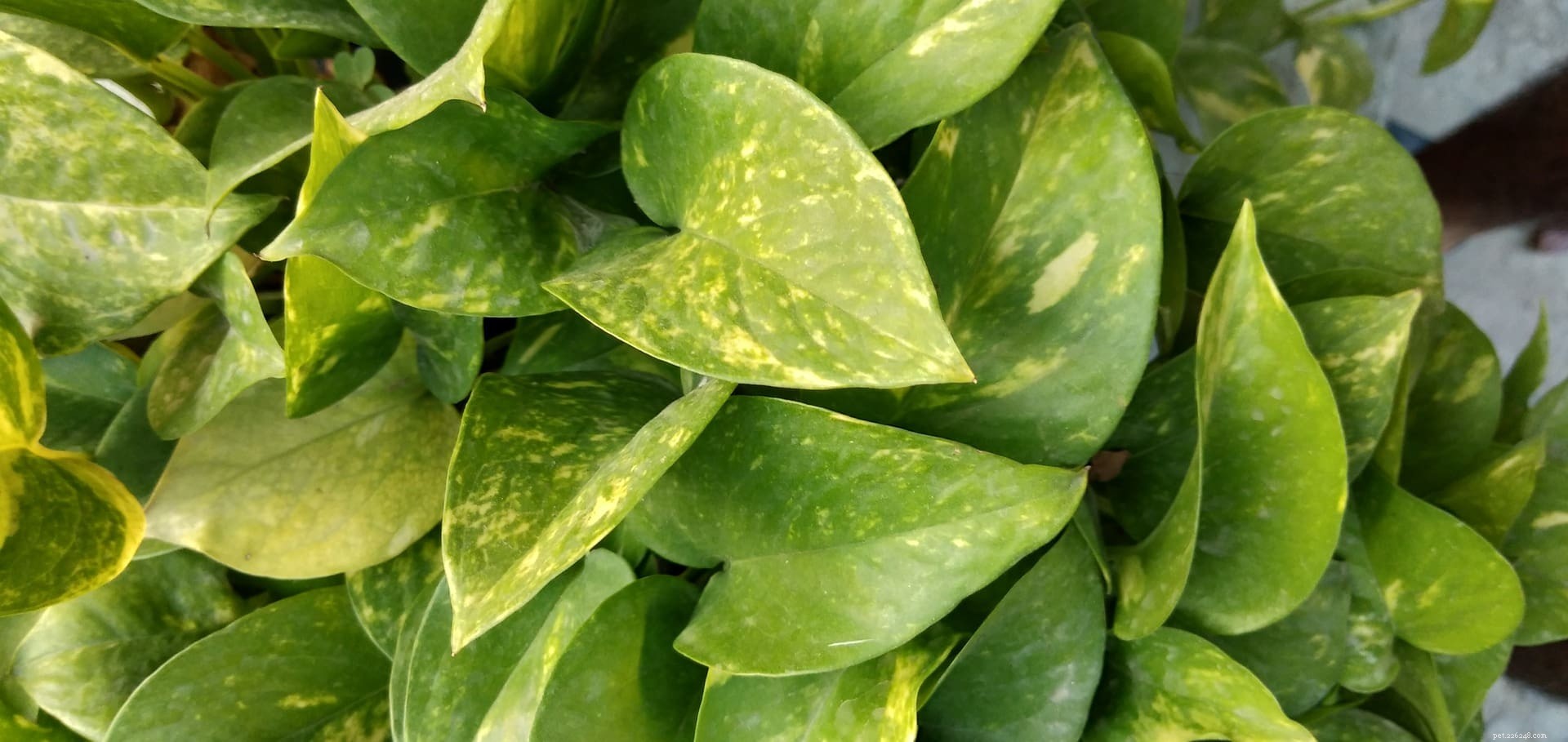
5. Pothos
Pothos are vining plants that also have several different names:
- Devil’s ivy
- Taro vine
- Ivy arum
Along with monstera deliciosa and peace lilies, pothos also contains insoluble calcium oxalates, and it will cause similar symptoms:
- Oral irritation
- Intense burning on mouth, tongue, and lips
- Drooling
- Vomiting
- Difficulty swallowing
Related Read: Are Pothos Plants Toxic to Cats? What You Need to Know!

Common Houseplants That Are Safe for Cats
Although there are several popular houseplants that are toxic for cats, there are many safe and non-toxic ones that you can find easily.
1. Peperomia Obtusifolia
This is a low-maintenance plant that requires minimal attention and care. Its other name is “baby rubber plant.” With a little love and care, they’ll seasonally produce pretty, white flowers.
2. Birds Nest Fern
Birds nest ferns are squiggly plants that add a fun touch to any room. They’re fairly low-maintenance and can even do well in bathrooms because they love humid conditions and can live in low-light environments.
3. Money Tree
Money trees come in various sizes, and they’re apparently bringers of good luck to the home. These trees often come in cool braided designs, so they’re often used as statement pieces for a room.
4. Parlor Palm
Parlor palms are hardy plants, and they thrive in rooms with direct sunlight. Once they take to a room, they grow continuously and can grow past 6 feet.
5. Pilea Peperomioides
These fun plants go by several names:
- Chinese money plant
- UFO plant
- Pancake plant
- Missionary plant
Other than preferring direct sunlight, this plant has fairly minimal care needs. Along with its unique appearance, many people see this plant as a lucky charm that brings good fortune to its owner.
Related Read: Are Roses Toxic to Cats? What You Need to Know!
Final Thoughts
Some plants just don’t do well with homes with cats, especially if the cats have particularly inquisitive personalities. If you already have a houseplant that’s toxic to cats, you can try several methods to avoid incidents of cats accidentally ingesting them.
If you ever suspect that your cat has ingested a toxic plant, don’t hesitate to contact your veterinarian. It’s better to be safe than sorry.
The best and safest way to keep plants in your home is to purchase ones that aren’t toxic to cats. Fortunately, there are so many fun and interesting houseplants that are also safe for cats.
So, don’t be afraid to stretch your creativity. You’ll have a happy and harmonious home filled with beautiful plants and cats in no time at all.
- Pet Behavior
- Pet Breeds
- Pet Names
- Pet Adoption
- Pet Training
- Cat Stories
- Pet Health
- Adorable Pets
- Cats
- Are Roses Safe for Cats? Expert Insights on Plant Toxicity
- Are Pothos Plants Dangerous for Cats? Essential Safety Guide
- Spider Plants Are Safe for Cats—Here’s What You Need to Know
- Jade Plants and Cats: Understanding the Risks and How to Protect Your Pet
- Majesty Palms & Cats: A Comprehensive Safety Guide
- Are Philodendrons Toxic to Cats? Essential Safety Tips for Pet Owners
- Bromeliads: Safe for Cats? Expert Guide for Pet Owners