

Peonies and Cats: Are These Flowers Toxic? Essential Safety Tips for Pet Owners

However pretty and attractive the plants and flowers in your garden are, they can be a real threat to your pets. Cats, among others, are sometimes victims of their overly inquisitive nature, and their attraction to the exquisite flower you just bought can take a dramatic turn.
Among the species considered toxic to pet felines, the beautiful peony is, unfortunately, part of this list. Indeed, according to the American Society for the Prevention of Cruelty to Animals (ASPCA) and the Pet Poison Helpline, peonies contain a toxin called paeonol, concentrated on the bark. If ingested in large quantities, this toxin can cause gastrointestinal problems, such as vomiting and diarrhea. However, according to the various sources consulted, the toxicity of peonies for cats is relatively mild and does not lead to death.

What Makes Peonies Toxic to Cats?
Peonies (genus Paeonia) are known by around forty species of perennial, herbaceous, or shrub plants. The leaves are tender or dark green, sometimes silvery. The flowers can be fragrant, erect and solitary, or cup or bell-shaped.
It is paeonol, a compound found in the root barks of peonies such as Paeonia suffruticosa, which is responsible for the plant’s toxicity to certain animals, such as cats, dogs, and horses. However, the mechanism of action of the toxin in cats has not yet been established. However, physiological reactions have been shown in some pets, such as vomiting, diarrhea, and even depression.

What Are the Signs of Poisoning from Peonies in Cats?
Although a priori, ingesting a part of peony is not likely to cause severe pain in your kitty, it is useful to know the symptoms related to the affected organs:
- Stomach and small intestine: Vomiting
- Colon or small intestine: Diarrhea
- Kidneys: Drinking excessively
- Respiratory tract: Difficulty breathing
- Mouth, throat, or esophagus: Difficulty swallowing
These symptoms are also likely to occur if your cat has ingested any other kind of poisonous plant.
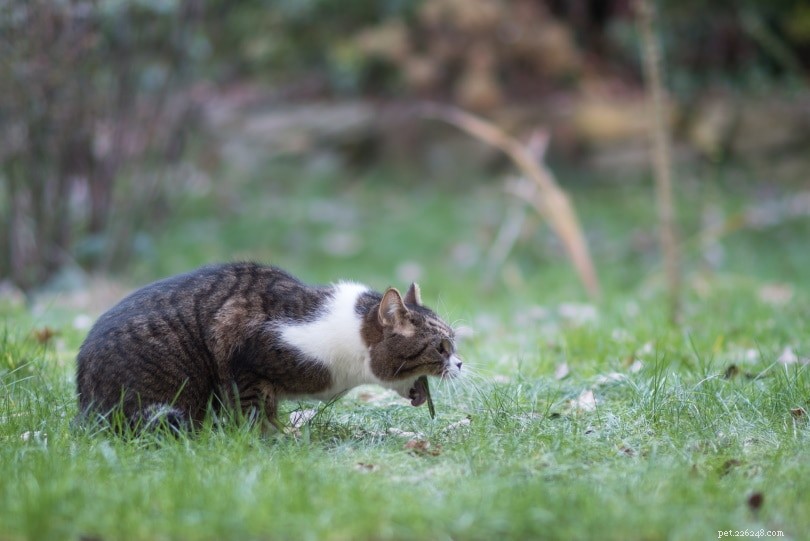
What to Do if Your Cat Has Eaten a Peony?
Either way, if you see your cat eating a plant and you’re unsure if it’s poisonous, take the following steps before taking her to your vet:
- Never force your cat to vomit. Only your veterinarian will be able to decide whether inducing vomiting is necessary, and to do this, he will administer an appropriate substance, for example, activated charcoal.
- Remove any plant matter from your cat’s hair, skin, and mouth.
- Keep your cat confined to a safe environment so that you can better supervise him.
- Call the Pet Poison helpline at 1-855-764-7661 or Animal Poison Control at 1-888-426-4435.
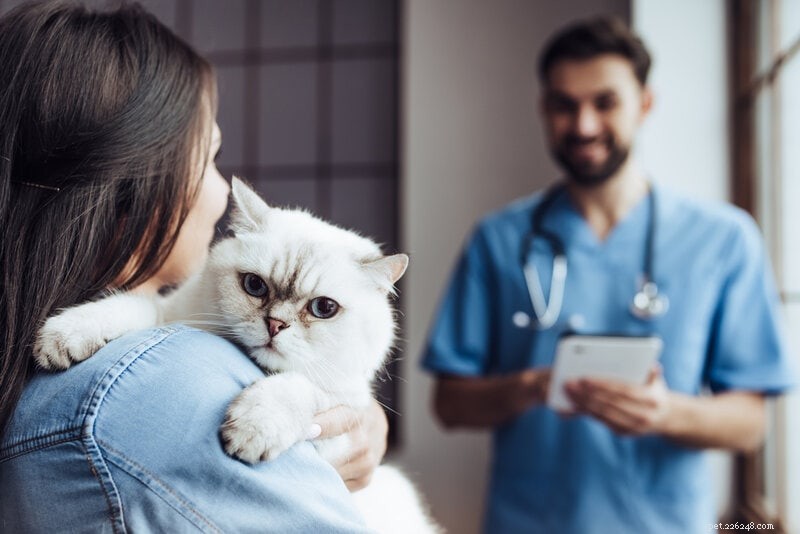
Besides, the identification of the plant is crucial in determining the treatment. If you are unsure of the name of the poisonous plant your cat has been exposed to, take a sample to your vet or a photo.

Bottom Line
Be aware that cats are very good at hiding their symptoms — it’s a defense mechanism that keeps them safe. Call your vet if you suspect your cat has consumed peonies, even if he has no noticeable symptoms. That being said, symptoms like diarrhea, lethargy, and vomiting are hard to hide. So, always be on the lookout for distress signals from your beloved feline.
- Related read: Are Bromeliads Toxic to Cats? What You Need to Know!
- Pet Behavior
- Pet Breeds
- Pet Names
- Pet Adoption
- Pet Training
- Cat Stories
- Pet Health
- Adorable Pets
- Cats
- Are Calla Lilies Toxic to Cats? Essential Information for Pet Owners
- Poinsettias and Cats: Are They Toxic? Key Facts & Safety Tips
- Can Cats Be Ticklish? Expert Insights & How to Identify Their Sensitive Spots
- Hydrangeas & Cats: Are These Plants Poisonous? Essential Safety Tips
- Are Daffodils Dangerous to Cats? Key Facts Every Pet Owner Should Know
- Are Lilacs Safe for Cats? Expert Guide to Pet-Friendly Lilac Varieties
- Begonias & Cats: Are They Poisonous? Key Facts Every Pet Owner Should Know