

Catnip Tea for Cats: How to Brew, Benefits, and Recipes
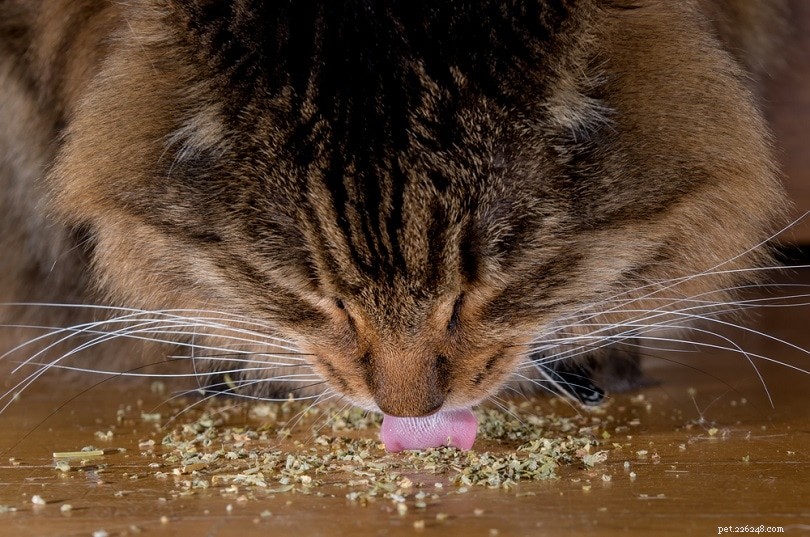
Catnip (Nepeta cataria) is a wild perennial plant that you can find growing in almost any well-drained soil, particularly in disturbed areas and along habitat edges. The ingredient that gives it its distinctive smell is nepetalactone. As a member of the Mint family, it is an aromatic species, like others in this group, such as peppermint and spearmint.
Interestingly, the chemical disappeared early in the evolutionary history of the genus only to re-emerge later. This compound serves a vital function for these plants by repelling insects. New evidence suggests that it can have a similar use for humans as a chemical that is even more effective than DEET.
Scientists theorize that its composition is like feline pheromones that influence their behavior. Animals can detect airborne concentrations as little as 1:1 trillion. Cats begin by sniffing catnip, often making them sneeze. They will eventually eat it, become playful while rolling around, and fall asleep. It is not harmful to them, nor does it have any sexual significance.
Benefits of Catnip
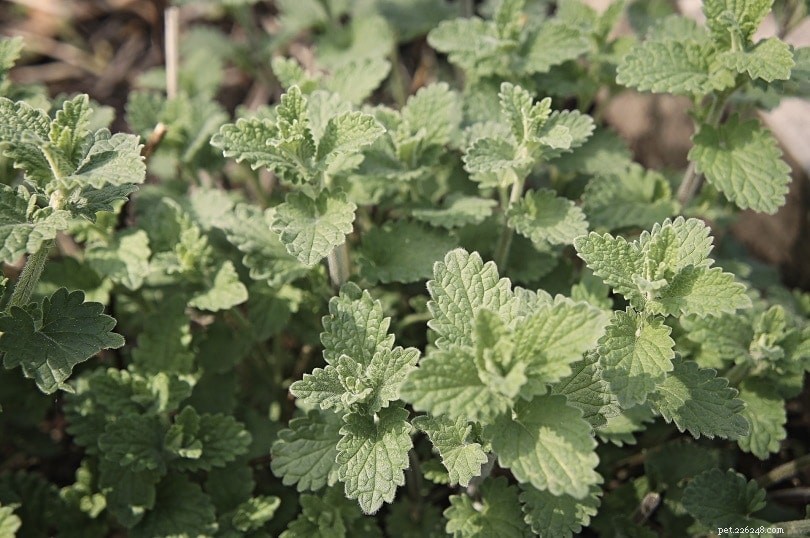
You’ll find catnip in several forms, including dried herbs, aerosol sprays, greens, and toys. While you may see it in treats, it’s not usually a tea, at least not for cats. Some evidence exists that supports some of its alleged health benefits, including antimicrobial activity against fungi and bacteria. That falls in line with the folklore uses of this plant by early settlers, Ojibwa, Cherokee, and Delaware peoples.
People sometimes use catnip tea to settle down fussy children suffering from GI issues, colic, or respiratory problems. Cats share about 90% of our DNA. They also have a similar brain structure as ours. We may surmise from these facts that catnip may convey comparable health benefits for our pets as it may have for humans.
While catnip may stir felines up, the effects are short-lived. As we mentioned earlier, they usually fall asleep after ingesting it. Cats use chemical signals to navigate their worlds and feel secure in their homes. It makes sense that the scent of brewing catnip tea may have similar effects for reducing anxiety.
Cats can certainly smell better than people, with 200 million scent receptors to our 5 million. If merely smell catnip starts a reaction, it isn’t a leap of faith that getting it another form with the volatile chemicals that give its scent available will do the trick, too. It’s beginning to sound like it’s time to put the kettle on the stove.
Catnip Tea
Catnip grows wild, so you can easily gather some and dry it yourself. We strongly urge you to vet the location where you collect it carefully. Make sure that the area isn’t sprayed with pesticides since many people consider it a weed. You should also find out whether it’s legal for you to harvest plants if you’re going on public land. You can then dry the leaves and keep the tea in a sealed container in the pantry.
The alternative is to get a commercial product where the manufacturer has done this work for you. You can buy it either in bags or loose. We recommend checking the ingredients on the package. You should only buy teas that are 100-percent catnip. Some companies will often produce blends with other aromatic plants.
Ingredients such as lemon or mint are toxic to cats. They can cause nausea and GI distress if eaten in large quantities. The same caution applies to preparing the catnip tea. Do not add a squeeze of lemon to your cuppa. While honey isn’t harmful, it’s high in sugar and can cause an upset stomach. Besides, it’s probably not wise to encourage your pet’s sweet tooth and risk obesity.
Recipe
The recipe for brewing catnip tea is straightforward.
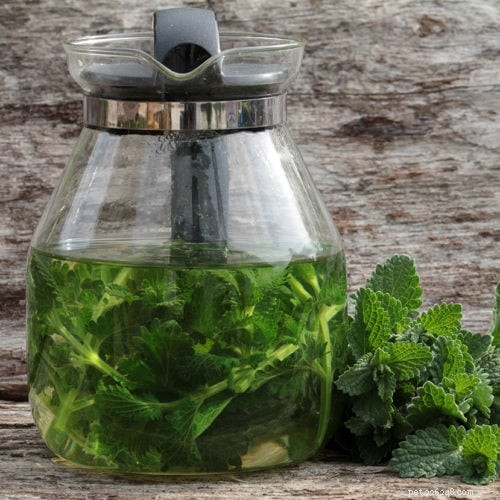
Catnip tea
No ratings yet Print Recipe Pin Recipe Prep Time 1 minCook Time 3 minsTotal Time 4 mins Course DrinksCuisine American Servings 1Calories 2 kcalEquipment
- Teapot
- Strainer (Optional)
Ingredients
- 2-3 teaspoons Catnip
Instructions
- Put a teaspoon or two in a cup or bowl.
- Add warm water and let it steep for about 3 minutes.
- You can either strain the tea or keep the leaves in the liquid for your kitty to eat.
Notes
Make sure the water isn’t too hot before serving it to your cat. It’s all right to brew it like other teas and let it cool to room temperature before offering it to your pet.Nutrition
Calories: 2kcal Keyword Catnip Tea Tried this recipe?Let us know how it was!Don’t be surprised if your cat drinks more water than it usually does. Felines typically meet their moisture needs from their food. However, the addition of catnip may change that.
Final Thoughts
We may not know precisely why catnip evolved to attract felines. Perhaps it helps with seed dispersal for the plants, which would make evolutionary sense. In any case, it’s satisfying to know that we can give our pets something that they will enjoy. If you’re lucky, your cat may even share its tea with you. Then, you’ll both get a good night’s sleep.
- Pet Behavior
- Pet Breeds
- Pet Names
- Pet Adoption
- Pet Training
- Cat Stories
- Pet Health
- Adorable Pets
- Cats
- Guide to Creating Stylish, Safe Cat Clothing
- Discover 8 Proven Benefits of Catnip for Cats: Expert Insights & Care Tips
- Understanding Catnip: Benefits, Usage, and How It Affects Your Cat (Infographic)
- Cannabis for Pet Cancer: Proven Benefits for Dogs and Cats
- Safeguard Your Home: Expert Tips to Cat‑Proof Your Living Space
- Secure Your Balcony for Your Cat: Essential Safety Tips
- DIY Cat Scratching Post: Protect Your Furniture & Keep Your Kitty Happy