

What Cats Really Think About Humans—Expert Insights
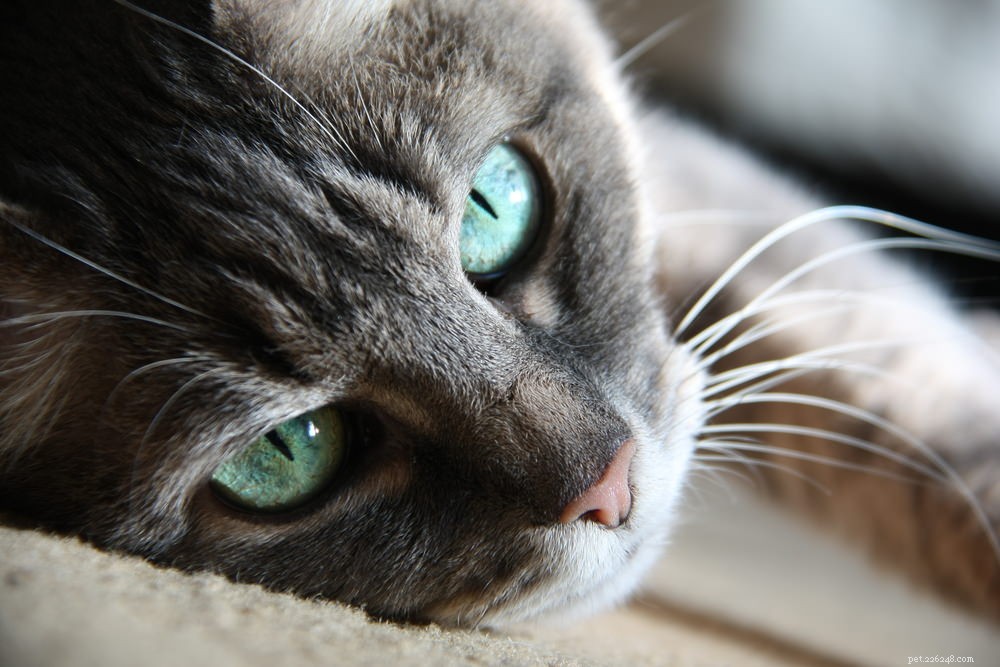
Every cat owner wonders at some point what exactly is going through their cat’s mind. They wonder if their cat is happy, if they’re in pain, or if they’re trying to communicate something to us. These are all worthwhile questions and in an interview with cat behaviorist John Bradshaw, Christine Dell’Amore with National Geographic got some interesting answers.
According to Bradshaw, cats are not the social animals we make them out to be. While they may seem to get along well with other cats, it’s very common for owners to seek veterinary medical treatment for injuries related to cat fights. Because of this and his other observations, Bradshaw concludes that cats are often much more comfortable if they don’t have to share their homes with other felines.
Another thing Bradshaw noted was that cats see us as other cats; very differently than how dogs perceive humans. Dogs, he says, treat humans like a separate species. They don’t exhibit the same behavior interacting with humans as they do with other dogs. They have a completely separate set of behaviors to communicate with humans. Cats, on the other hand, use the exact same behaviors to communicate with both other cats and humans. Just as they rub against us, raise their tails and knead their paws with humans, they do with other cats they like. Many of these behaviors they’ve learned from and exhibited towards their mothers to get the proper attention and care they needed as growing kittens.
Although it might seem like they lack some intelligence being unable to differentiate between species, Bradshaw ensures that they aren’t stupid. In fact, cats are very smart animals. They learn not only how to interact with people in general, but how to interact with certain people. They know which person in the house will feed them first thing in the morning, who will get up to turn the faucet on when they’re thirsty and who will pet them when they want it. Bradshaw also discovered that cats will use specific vocalizations to get the attention of their owners and other studies have confirmed this.
Part of Bradshaw’s research has also been geared toward cat physical health. He’s observed that humans don’t necessarily understand and pick up on their cat’s attempt to communicate stress. Many of the most common medical problems, like bladder and skin infections, are related to psychological stress. He says that the majority of problems cat owners see in their pets is related to the fact that they aren’t as social as we’d like them to be and has noticed that when cats that don’t completely get along are separated, many of their medical problems disappear.
To read the full interview, visit National Geographic’s website. John Bradshaw has done incredible research regarding feline health and behavior and we look forward to reading and learning more from his studies.
- Pet Behavior
- Pet Breeds
- Pet Names
- Pet Adoption
- Pet Training
- Cat Stories
- Pet Health
- Adorable Pets
- Cats
- Are Cats Carnivores or Omnivores? A Closer Look at Their Diet
- What Do Cats Really Like to Eat? A Comprehensive Guide
- Do Cats Dream? Exploring What Felines Sleep About
- Common Poisonous Plants that Endanger Cats – Symptoms & Prevention
- Can Cats Really Understand What We Say?
- How Cats Teach Us Confidence and Self‑Assurance
- Do Cats Truly Care About Their Humans? New Research Reveals Surprising Truth