

10 Key Symptoms of Feline Immunodeficiency Virus (FIV) to Watch For
Feline Immunodeficiency Virus, or FIV, is a slow-acting virus very similar to HIV in people. Although it might take years for symptoms to present in a cat with FIV, they do have suppressed immune systems and will be much more susceptible to infections and other ailments. If you notice any of these symptoms in your cat, be sure to seek veterinary attention.
#1 – Weight Loss
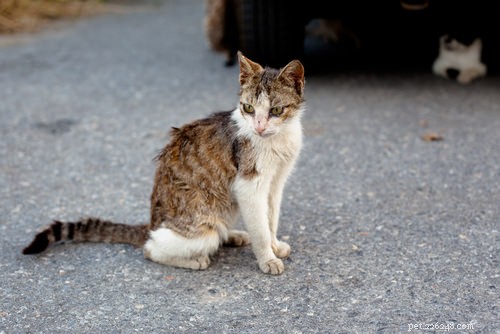
Just like people, cats with long-term illnesses such as FIV will have trouble maintaining their weight regardless of how much food they eat. If you’ve noticed rapid weight loss or unplanned weight loss, be sure to check with your veterinarian.
#2 – Conjunctivitis
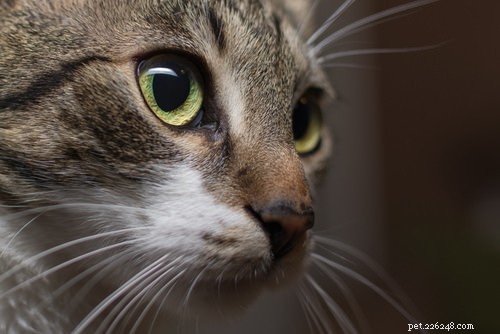
Although many cats will suffer conjunctivitis once or twice in their lives, cats with FIV are much more susceptible to small infections.This means that chronic eye infections are relatively common and are typically a sign that something more serious is going on.
#3 – Enlarged Lymph Nodes
Feline Immunodeficiency Virus is a viral infection and leads to enlarged lymph nodes throughout the body. If you notice any swelling on any or all of them, be sure to take your cat to the veterinarian immediately.
#4 – Dental Disease

Dental disease is more common in cats with FIV because they’re at a higher risk for infections. Even if you keep your cat’s mouth clean and brushed, you might notice that dental disease happens anyway.
#5 – Discharge from Eyes & Nose
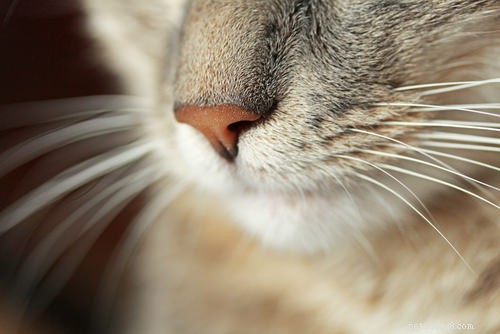
Nasal and optical discharge is common in cats infected with FIV. Even if Feline Immunodeficiency Virus isn’t the cause of the discharge, a respiratory infection may be the culprit and your cat will need veterinary care.
#6 – Sneezing

FIV puts cats at a higher risk for all infections, including respiratory ones. Sneezing could very well be a cause that something is awry, especially if it’s become chronic. Be sure to make an appointment with your veterinarian to ensure the cause of this sneezing gets under control.
#7 – Non-Healing Wounds
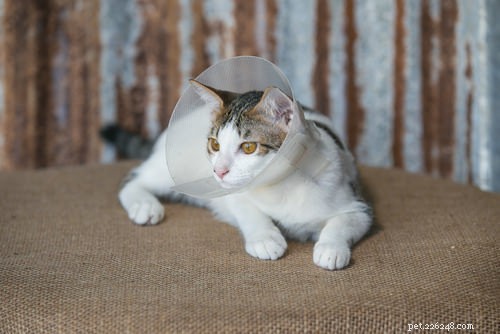
Cats infected with FIV have very weakened immune systems and you might notice that they’re unable to heal any wounds effectively. Even small scrapes and scratches can become infected and get worse very quickly. If you notice your cat has a wound that isn’t healing, be sure to see a veterinarian as soon as possible.
#8 – Poor Appetite
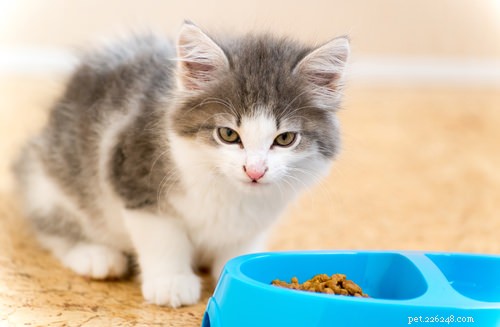
It’s very common for cats that don’t feel well to turn away from food. Because not eating can be very dangerous to cats even if only skipping one or two meals, it’s important to seek veterinary care to ensure your feline gets adequate nutrition.
#9 – Poor Coat Condition
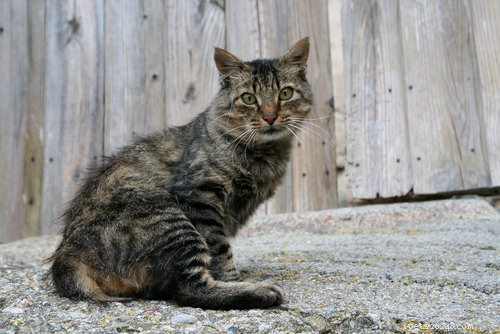
Your cat’s coat condition will tell you a lot about his general health and keeping an eye on it is important. Cats with FIV often have very poor coat conditions even with regular grooming by both the cat and you. If you notice you’re unable to keep your cat’s coat looking well kept, be sure to make an appointment with your veterinarian.
#10 – Fever
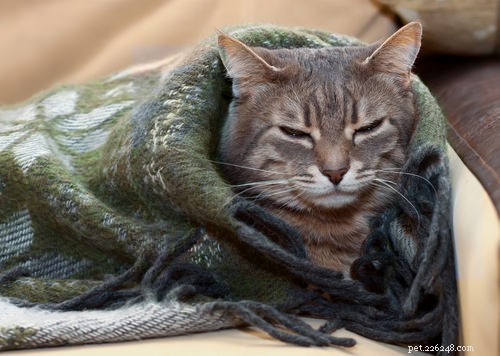
Fever is one of the main symptoms of any infection and it almost always presents in cats that have FIV. If you think your cat has a fever, you should take her to the vet as soon as possible. Even a minor infection can become a big problem.
- Pet Behavior
- Pet Breeds
- Pet Names
- Pet Adoption
- Pet Training
- Cat Stories
- Pet Health
- Adorable Pets
- Cats
- Feline Immunodeficiency Virus (FIV): What You Need to Know About Prevention, Diagnosis, and Care
- FIV Explained: What You Need to Know About Feline Immunodeficiency Virus
- Understanding Feline Immunodeficiency Virus (FIV): Symptoms, Care, and Long‑Term Management
- Understanding Feline Immunodeficiency Virus (FIV): Symptoms, Diagnosis, and Care
- Understanding Feline Immunodeficiency Virus (FIV) in Cats: Causes, Symptoms, and Care
- Understanding FIV: What Every Cat Owner Should Know
- Understanding Feline Immunodeficiency Virus (FIV): Symptoms, Transmission, and Care