

6 Clear Indicators Your Cat Is Dehydrated and Needs More Water
Like you, your cat’s body is made primarily of water. In order to remain healthy and properly hydrated, your cat must consistently take in enough water to replace what she loses through basic functions like using the litter box and breathing. When fluid levels drop below normal– either from a reduced water intake or an increased loss of fluids– your cat will become dehydrated. Proper hydration plays a critical role in all of your cat’s bodily functions, including circulation, digestion, and waste removal. Because of this, dehydration can be very dangerous and even fatal if not recognized and treated immediately.
Your cat may neglect drinking enough water for a number of reasons including (but certainly not limited to) a lack of fresh water, an inappropriately placed water bowl, or illness.
Read on for six signs that your cat needs to drink more water. Note that, since cat’s are notoriously sneaky and skilled at hiding health problems, some of these signs may not be obvious until it’s too late. It’s important that you pay attention to your cat’s drinking habits, litter box output, and general health for clues and make an appointment with your veterinarian if you suspect a problem.
Your veterinarian is the only one who can determine a true diagnosis and prescribe a treatment plan. The treatment for dehydration will likely include intravenous or subcutaneous fluids, and well as other tests to determine the cause.
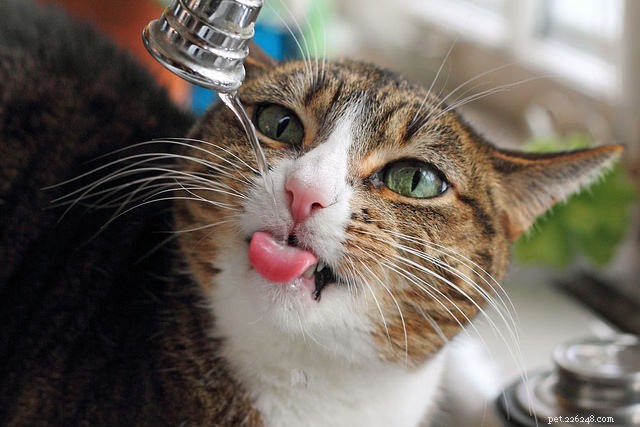
1. Not drinking water
If you have had your cat long enough to be familiar with her drinking habits, you may notice quickly if she isn’t drinking sufficient water. Paying attention to whether she drinks when she’s walking around your home or how much water is gone when you refresh her bowl can go a long way in discovering a problem before it gets out of hand.
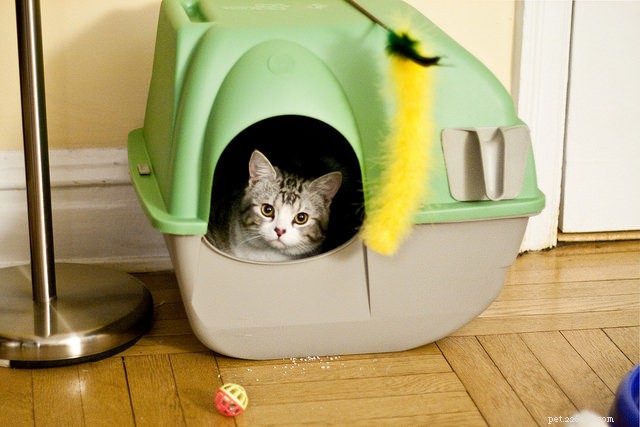
2. Increased urination
Remember that your cat needs to take in water to replace what she loses. A cat who is losing an abnormal amount of water through urination is at a high risk for being dehydrated. Increased urination can also deplete your cat of vital nutrients and can be a sign of a serious illness such as diabetes.
3. Vomiting or diarrhea
Similar to if your cat is experiencing increased urination, vomiting or diarrhea can quickly dehydrate your cat and deplete her of nutrients. In addition to dehydration, vomiting and diarrhea can signal a serious illness and can result in rapid weight loss.
4. Decreased skin elasticity
Your cat’s skin elasticity is one of the easiest ways to determine whether or not your cat is dehydrated. Simply pull up some skin at the scruff of her neck and release it. The skin of a healthy and well-hydrated cat will bounce back to normal quickly, while the skin of a dehydrated cat will stay in a stiff peak for several seconds before slowly receding.
Note: This test may not be accurate if your cat is overweight or very thin.
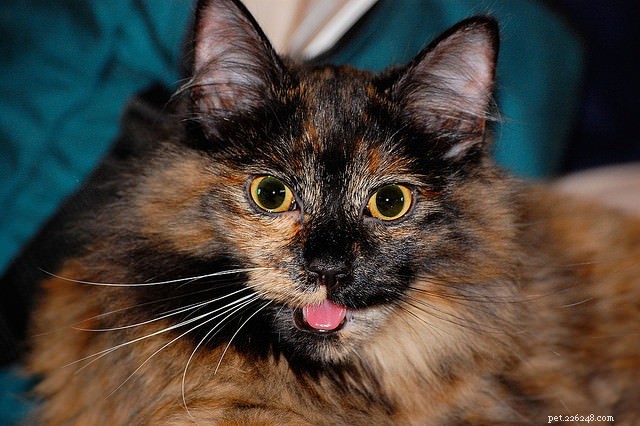
5. Panting
Cats pant as a way to regulate their body temperature since they lack sweat glands. Though intended to ward off the dangers of overheating, panting can cause its own health risk as moisture is lost through your cat’s mouth.
The risks associated with panting, of course, are twofold since a panting cat is a hot cat and heat stroke is a very serious and life threatening problem.
6. Slow capillary refill
Bad circulation can indicate dehydration. You can check this by pulling back your cat’s top lip and pressing the flat of your finger against her gum for a couple seconds. You’ll see a white mark when you remove your finger. In a healthy and well-hydrated cat the area will turn pink again within 1-2 seconds.
- Pet Behavior
- Pet Breeds
- Pet Names
- Pet Adoption
- Pet Training
- Cat Stories
- Pet Health
- Adorable Pets
- Cats
- 7 Proven Strategies to Encourage Your Cat to Stay Hydrated
- 7 Clear Signs Your Cat Needs More Exercise
- 5 Clear Indicators Your Cat Craves More Attention
- How to Spot When Your Cat Is in Heat: Essential Signs & Tips
- How to Spot and Prevent Cat Dehydration: Key Signs and Solutions
- Recognizing Stress in Your Cat: 7 Key Signs & How to Help
- 10 Proven Strategies to Encourage Your Cat to Hydrate Adequately