

Understanding Diabetes in Cats: Types, Symptoms, Causes, and Treatment Options
Types Of Diabetes
There are two types of diabetes
- Type I – This condition happens when the body falls short of normal levels of insulin
- Type II –In this case, the cells will misbehave to the insulin, and it’s called insulin resistance
Both type I and type II diabetes in cats hinder glucose conversion into energy and result in excessive glucose levels. This condition of excessive glucose is called hyperglycemia.
Diabetes In Cats
- IDDM or insulin-dependent diabetes mellitus happens when the cat’s system is not in a position to produce insulin.
- Type II diabetes or NIDDM (non-insulin-dependent diabetes mellitus) occurs when the body produces insulin, but it does not respond appropriately to process the same.
Most cases of diabetes are witnessed in older or middle-aged cats.
Signs Of Diabetes In Cats/ Diabetic Cat Behavior
Some of the symptoms of diabetes in cats include
- Coma
- Vomiting
- Depression
- Ketoacidosis
- Lethargy
- Jaundice
- Enlarged liver
- Oily coat
- Weakness in hind legs
- Weight loss
- Loss of appetite
- Frequent urination
- An excessive amount of thirst
- Obesity
What Causes Diabetes In Cats?
- Side-effects due to specific medication
- Cushing’s disease
- Hyperthyroidism
- Pancreatitis
- Obesity
- Genetics

Can Cats Eat Bread? Risks & Guidelines
Can Cats Eat Bread? Find Out The Answers For Questions Like: Can Cats Eat Bread Toast And Bread Dough?, What Are The Risks Of Feeding Bread To Cats? & More.Read MoreHow To Diagnose Diabetes In Cats?
First and foremost, your vet will conduct various tests that will include urinalysis, chemical profile, and blood count test. These tests are enough for initial diagnosis and treatment.
With diabetes, can trace an extra concentration of glucose in the urine and blood samples. High quantities of electrolyte imbalances and liver enzymes are also found.
Urine tests can reveal abnormal ketone levels due to the fatty acid mechanism in the kidney and liver. Another essential condition is diabetic ketoacidosis.
Ultrasound and abdominal x-ray will help the vet determine whether the cat is also suffering from pancreatic inflammation, kidney stones, or other issues.
Treatment For Diabetes Mellitus In Cats
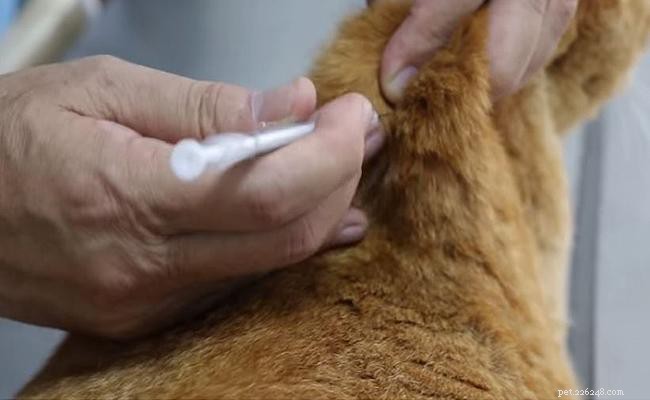
The most primary thing in managing diabetes is excellent communication between your vet and yourself. Your vet will chart out a customized individual management and treatment plan depending on your cat’s medical history.
Insulin medications are particular. They should be given every day at a precise time without fail because variation can cause ketoacidosis.
Female cats are advised ovariohysterectomy because condition during heat makes diabetes control quite tricky.
Cats With Diabetes Life Expectancy
With adequate healthcare, lifestyle changes, effective treatment, and consistent support, a diabetic cat can live the same number of years a non-diabetic cat will live.

British Shorthair Cat Breed Information – A Cute And Easy Going Champion
The British Shorthair Is An Affectionate, Easygoing Cat. It Enjoys Love And Care. Check Out The Size, Personality, Price, And Lifespan Of This Curious Cat.Read MoreDiabetic Cat Care
- Your vet will suggest moderate exercises, but strenuous ones are best avoided.
- Obesity plays a crucial role in keeping diabetes under check, and maintaining a healthy weight will help your cat stay healthy for a long.
- You should never alter your cat food without informing your vet.
- Regular checking of glucose in cats having diabetes is vital for determining this disorder’s overall position. Whether your cat is suffering from hyperglycemia or hypoglycemia, your vet will devise a specific treatment plan.
- Maintaining a weekly or daily schedule is very important to find out if any deviation has taken place to take preventive measures.
Diabetes Treatment In Cats Without Insulin
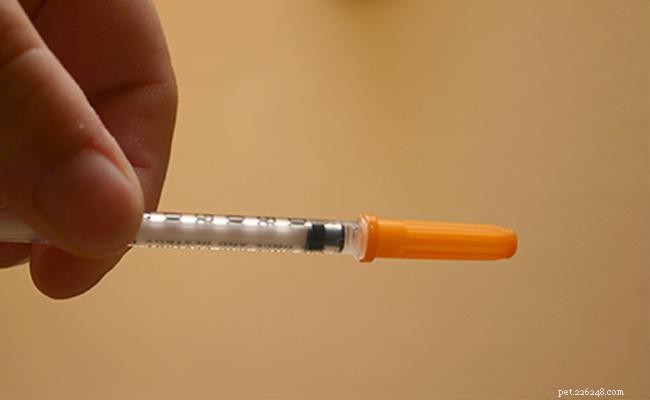
The primary understanding is that cats suffering from diabetes typically require insulin shots. In the initial stages of treatment, these cats may require insulin.
The main question is whether a diabetic cat can rely on natural treatment for a cure without taking insulin?
Some cats manage well on a food diet filled with low-carb alone, but most cats require a healthy mix of insulin and a low-carb food diet.
Simple ways to prevent diabetes in cats
- You should feed your cat with the best available canned, raw diet, or low carb food
- Feed your cat with a properly balanced diet without green peas, potatoes, sweet potatoes, and grains.
- Cranberry-based supplements can help diabetic cats manage bladder infections.
- Talk to your vet and buy products that are certified with the GMP
- The next important thing is to ensure that your cat is not sitting idle. Exercise prevents diabetes, and mainly indoor cats need more attention in this aspect than outdoor cats.
Although dietary and lifestyle changes may help manage diabetes in a cat, many cats still may require insulin injections. A mismatch between insulin shots and food can result in fatal health conditions. Plan wisely and behave well-informed.
Diabetes In Cats - Ideal Food And Diet
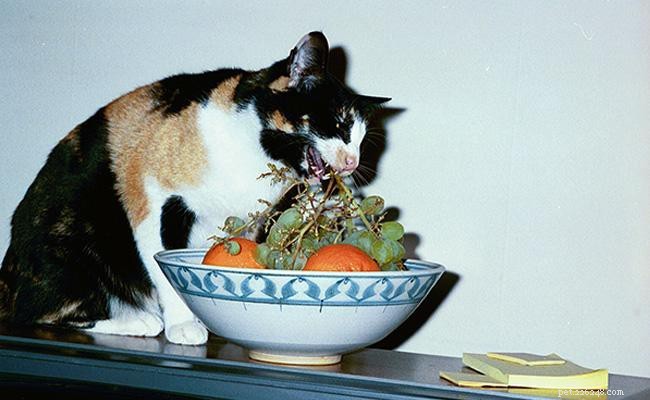
Cats are carnivores, and they do well when they eat foods low in carbs, moderate in fat, and high in protein.
A well-balanced diet includes
- Rich in water, almost 70 percent
- 2 percent calories (carbs)
- 30 to 45 percent (fats)
- 50 percent calories (animal foods)
That means a commercial available canned cat food is the best option. Dry foods contain more plant protein and less animal protein, and hence, dry foods for cats are not recommended.
Prescription foods are not necessary because high quality canned food is available at all leading pet stores.
Diabetic cats should be fed with the right quantity of cat food. Obese cats need more care and attention and they are required to maintain an ideal weight. Feeding your cat with both pertinent and tasty food matters a lot.
Proper Ways To Feed Cats With The Diabetic Condition
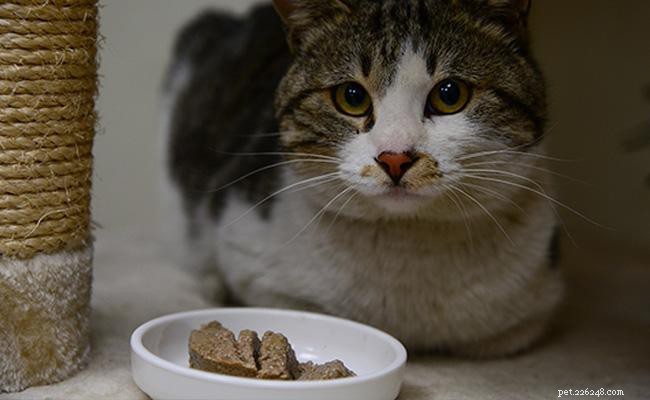
- Diabetic cats are required to consume the same quantity of food at a prescribed time daily.
- According to a vet, diabetic cats receive at least two insulin shots with a 12-hour
- Treats should never exceed 10 percent. They include foods that are rich in protein but low in carbohydrates. Freeze-dried chicken, liver, tuna, salmon, and beef are the best examples of rich foods for diabetic cats.
- Diabetes management needs a delicate balance between insulin and food levels.
The Bottomline
Remember, with due attention and care, diabetic cats can lead a normal and healthy life.
- Pet Behavior
- Pet Breeds
- Pet Names
- Pet Adoption
- Pet Training
- Cat Stories
- Pet Health
- Adorable Pets
- Cats
- FIV in Cats: Symptoms, Causes, Treatment Options & Prevention Tips
- Cat Worm Infections: Causes, Symptoms & Effective Treatment Guide
- Cat Tapeworms: Causes, Symptoms, and Effective Treatment Options
- Mange in Cats: Causes, Symptoms, and Effective Treatments
- Pica in Cats: Symptoms, Causes, and Effective Treatments
- Cat Diabetes Explained: Recognizing Symptoms, Identifying Causes, and Managing Treatment
- Ringworm in Cats: Causes, Symptoms, and Effective Treatments