

What Not to Feed a Siamese Cat: A Practical Guide to Safe Nutrition
👑 Siamese cats are renowned for their elegant blue eyes, sleek bodies, and affectionate nature. Their unique metabolism and delicate digestive system mean that a small dietary misstep can have serious health consequences. This guide outlines the foods and items you should keep far from your Siamese companion and explains why.
Essential Dietary Needs of Siamese Cats
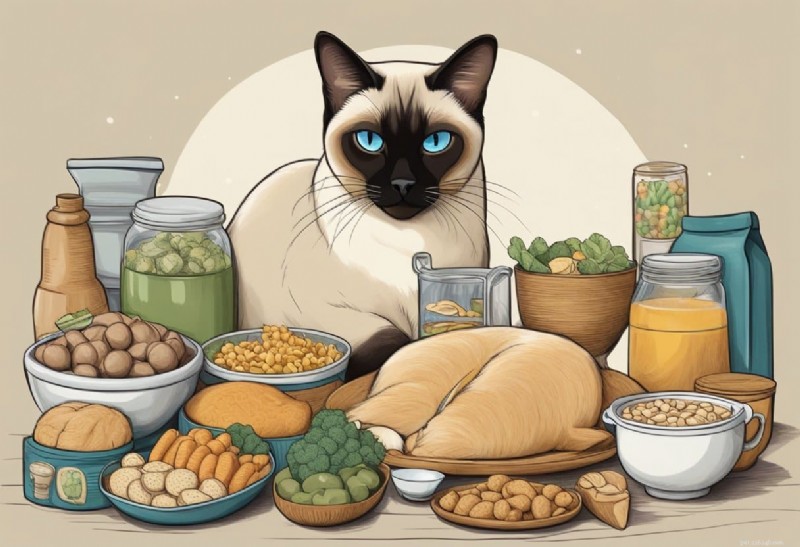
Because Siamese cats are slender, highly active predators, they thrive on a diet that mirrors their natural prey. A well‑balanced meal should contain:
- High‑Quality Animal Protein – choose foods where the first ingredient is a real animal protein such as chicken, turkey, or fish. Avoid grains and fillers that provide little nutrition.
- Adequate Hydration – cats naturally drink little water. Offer fresh water at all times and include wet food to boost fluid intake.
- Essential Vitamins, Minerals & Fatty Acids – look for products formulated specifically for Siamese or for high‑energy cats to ensure they receive the nutrients needed for skin, coat, and joint health.
Toxic Foods to Avoid
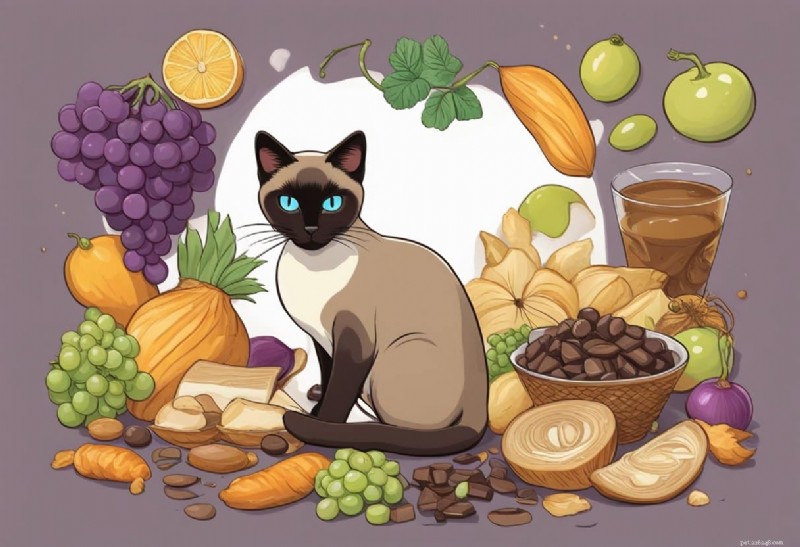
Keep the following foods out of reach of your Siamese cat. They can cause acute or chronic damage:
Onions & Garlic
All Allium family members contain disulfides that destroy red blood cells, leading to anemia. Even small amounts can be fatal, especially for Siamese cats that may already be prone to blood disorders.
Chocolate & Caffeinated Products
Chocolate’s theobromine and caffeine’s methylxanthines are toxic. Symptoms include vomiting, diarrhea, hyperactivity, and, in severe cases, seizures or death.
Grapes & Raisins
These fruits can trigger acute kidney failure. The exact mechanism is unknown, but the risk is high enough that they should never be offered.
Raw Fish & Eggs
Raw fish may harbor parasites; raw eggs contain Salmonella and can inactivate thiamine, a vital B‑vitamin, causing neurological problems. Always cook fish and eggs thoroughly.
Human Foods to Steer Clear Of
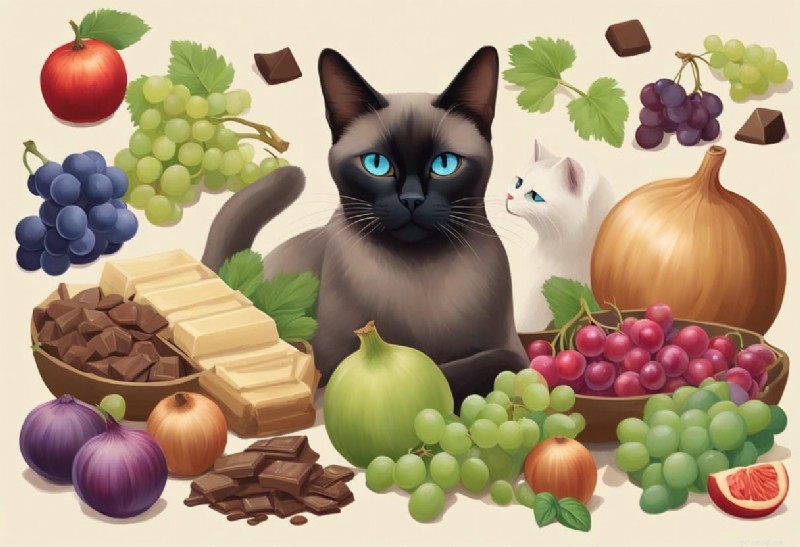
Even seemingly harmless human snacks can be dangerous. Here are common culprits:
- Chocolate & Coffee – see above.
- Alcohol & Raw Bread Dough – alcohol causes vomiting, seizures; dough can expand in the stomach, leading to bloating and rupture.
- Onions, Garlic & Chives – see above.
- Grapes & Raisins – see above.
Hazardous Non‑Food Items
Siamese cats love to explore, which can lead them to ingest harmful objects. Keep these items out of reach:
- String & Yarn – can cause intestinal blockage.
- Rubber Bands – similar risk of blockage.
- Plastic Bags – pose a suffocation hazard.
Foods & Ingredients to Avoid
Besides the obvious toxins, certain common foods can upset your cat’s digestion or lead to long‑term health problems:
- Mercury‑rich Fish (e.g., tuna, mackerel) – limit intake; stick to low‑mercury options like canned tuna.
- Raw Meat & Eggs – risk of Salmonella and E. coli.
- Dairy for Adults – most adult cats are lactose intolerant; opt for lactose‑free or cat‑specific treats.
Supplements & Medications to Avoid
Never give your Siamese human medicines or off‑label products without veterinary guidance. The following are particularly dangerous:
- Acetaminophen (Tylenol) – liver toxicity.
- Ibuprofen (Advil, Motrin) – ulcers, kidney damage.
- Dog Flea & Tick Treatments – can cause seizures and tremors.
- Unapproved Vitamins – high doses can be harmful; always consult a vet.
Feeding Practices to Prevent Obesity
Obesity in Siamese cats can lead to diabetes, heart disease, and joint pain. Use these strategies to keep your cat at a healthy weight:
- Portion Control – measure food based on age, weight, and activity; use a scale or measuring cup.
- Meal Frequency – small, frequent meals keep metabolism steady and reduce overeating.
- Limit Treats – keep treats to <10% of daily calories; choose lean proteins like cooked chicken or fish.
- Choose Balanced Cat Food – avoid table scraps; stick to premium formulas.
Signs of Dietary Distress
Even with a careful diet, issues can arise. Watch for:
- Vomiting & Diarrhea – indicate intolerance or toxin ingestion.
- Lethargy or Loss of Appetite – may signal digestive upset or underlying illness.
- Skin & Coat Changes – dull coat, dry skin, or allergies can reflect nutrient deficiencies.
If you notice any of these signs, contact your veterinarian promptly for evaluation.
🐾 Lisa Illman is the Founder of Kritter Kommunity, LLC! She’s proud of her tuxedo cat who’s been her sidekick since kittenhood. Prior to Finnegan, Lisa cared for two FIV‑positive cats for over a decade, inspiring her to build cat enclosures and portable catios for sunbathing and fresh breezes. She grew up sharing her home with a Poodle and a lively parakeet!



- Pet Behavior
- Pet Breeds
- Pet Names
- Pet Adoption
- Pet Training
- Cat Stories
- Pet Health
- Adorable Pets
- Cats
- Top 5 Cat Breeds Known for Their Chatty Personalities
- Princess & Her Kittens: A Sponsor Portrait by Simon Tofield
- Do Dogs Remember Their Mothers? Exploring Canine Memory and Attachment
- How to Safely Serve Apples to Your Dog: A Proven Guide
- Essential Guide to Caring for Your Cat’s Eyes
- Comprehensive Care Guide for the Martinique Pink Toe Tarantula (Caribena versicolor)
- Mastering Canine Communication: Teaching Dogs Sign Language