

Recognizing Fever in Cats: Signs, Temperature Checks, and When to Seek Veterinary Care
Cats are famously stoic, which makes early signs of illness easy to miss. A fever, however, is a clear indicator that something is wrong and should prompt prompt veterinary care. This guide explains the normal temperature range for cats, key fever symptoms, how to measure body temperature accurately, and when to call your vet.
What Is a Normal Cat Temperature?
Veterinary literature agrees that adult cats normally maintain a body temperature between 100 °F and 102.5 °F (37.8 °C–39.2 °C). A 2015 study in the Journal of Feline Medicine & Surgery reported a reference interval of 98.1 °F to 102.1 °F (36.7 °C–38.9 °C). While the exact range can vary slightly by breed and age—kittens typically run a degree higher—temperatures above 102 °F are generally considered elevated.
Elevated temperatures may arise from two distinct conditions:
- Hyperthermia—a rise in body heat caused by environmental heat, vigorous activity, or seizures.
- Fever—an immune response to infection, injury, autoimmune disease, or cancer. Fever warrants veterinary evaluation.
6 Key Signs Your Cat May Have a Fever

While measuring temperature is the most definitive test, look for these warning signs when your cat is reluctant to cooperate:
- Lethargy—reduced activity and increased sleeping.
- Reduced appetite—little interest in food or water.
- Shivering—similar to human chills.
- Poor grooming—fuzzy, unkempt fur.
- Visible wounds or swellings—inflammation or infection sites.
- Warm to the touch—especially hot ears or face, but be mindful of environmental factors.
Other illnesses such as coughing or diarrhea often coexist with fever, so monitor for those symptoms as well.
How to Take a Cat’s Temperature Safely
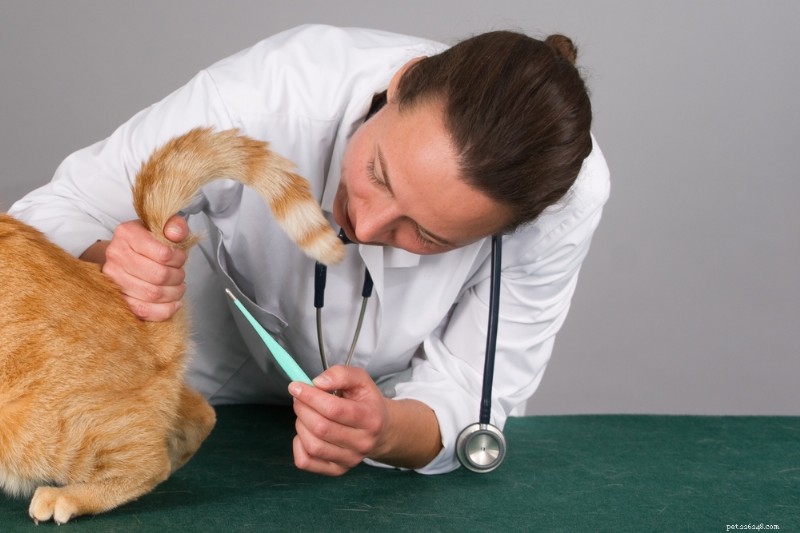
Veterinarians recommend three primary methods. Use a digital thermometer designed for veterinary use and label it to avoid cross‑contamination with human thermometers.
1. Axillary (Armpit) Temperature
Least invasive but least accurate. Place the tip in the armpit, keeping the limb down to keep the probe in place until the reading stabilizes.
2. Rectal Temperature
Most accurate for cats. Use a short‑tipped veterinary rectal thermometer, lubricate the tip, and gently insert about ½‑inch. Clean the thermometer and hands afterward. Having a helper helps keep the cat calm.
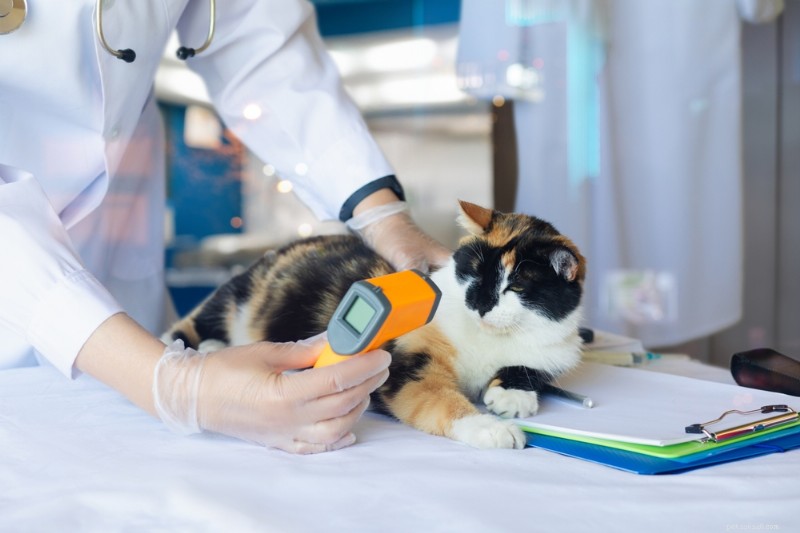
3. Ear (Otoscopic) Temperature
Less invasive than rectal, but accuracy depends on a clear ear canal. Avoid use if the ear is infected or has debris.
Regardless of method, a second person can assist in holding the cat and providing reassurance. If your cat resists, contact your veterinarian before proceeding.
When to Seek Veterinary Care
Call your vet immediately if:
- Temperature exceeds 102.1 °F (39 °C) and your cat shows abnormal behavior.
- Temperature is above 103.5 °F (39.4 °C).
- Your cat has seizures, disorientation, breathing difficulty, or cannot urinate/defecate.
- Severe diarrhea or vomiting persists.
- Food intake drops to zero or the cat collapses.
- Trauma such as a road‑traffic injury.
In an emergency, seek immediate care or an urgent‑care clinic.
During the visit, the vet will perform a physical exam and may order diagnostics—bloodwork, urinalysis, X‑rays, or ultrasound—to identify the underlying cause. Treatment can include NSAIDs like meloxicam, fluid therapy, and targeted medications based on the diagnosis.
Prompt recognition and treatment of fever often prevent serious complications. Even if your cat appears “normal,” a fever can signal severe disease—acting early saves lives.
Reference
Levy, Julie & Nutt, Kelly & Tucker, Sylvia. (2015). Reference interval for rectal temperature in healthy confined adult cats. Journal of Feline Medicine and Surgery, 17, 950–952. https://doi.org/10.1177/1098612X15582081
- Pet Behavior
- Pet Breeds
- Pet Names
- Pet Adoption
- Pet Training
- Cat Stories
- Pet Health
- Adorable Pets
- Cats
- Mastering Dog Handling: Grooming and Emergency Prep for Pet Owners
- Optimal Diet for Diabetic Dogs: Feeding Tips & Guidelines
- Why a Consistent Dog Feeding Schedule Matters — Tips for Health & Well‑Being
- Understanding Heartworm: Causes, Symptoms, and Prevention
- Doberman Pinscher: Trusted Family Companion & Powerful Guard Dog
- Top 6 Rosella Birds: Ideal Pets for Long‑Term Companionship
- Effective Kitten Socialization: A Guide to Raising Confident Cats