

Feline Lower Urinary Tract Disease (FLUTD): Symptoms, Causes, Diagnosis, and Treatment
As a cat owner, you strive to keep your feline companion healthy, yet certain conditions can unexpectedly emerge. One of the most frequently encountered issues is Feline Lower Urinary Tract Disease, commonly abbreviated as FLUTD.
According to Dr. Jim D. Carlson, a holistic veterinarian and owner of Riverside Animal Clinic and Holistic Center, approximately 20%–25% of cats will exhibit signs of FLUTD at some point in their lives.
What is FLUTD?
FLUTD covers a spectrum of disorders that affect the lower urinary tract—including the ureters, bladder, and urethra—ranging from mild irritation to life‑threatening obstructions. In cats under 10 years old, the most common cause is feline idiopathic cystitis (FIC), followed by bladder stones and urethral plugs. Senior cats (over 10 years) are more likely to develop urinary tract infections or bladder stones.
Dr. Sara Ochoa, a veterinarian at Whitehouse Veterinary Hospital, explains that the bladder lining, composed of glycoproteins called PSGAGs, normally protects the bladder from the varying pH and potential irritants in urine. When this lining is compromised, the bladder is exposed to urine, leading to inflammation and pain.
Symptoms of FLUTD in Cats
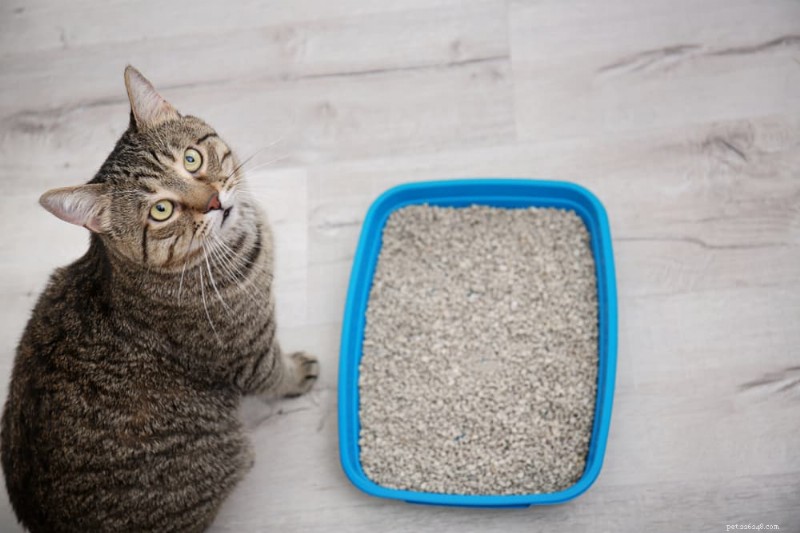
Early detection of FLUTD symptoms is crucial for effective treatment. The hallmark symptom is painful or difficult urination, which may manifest as:
- Bloody urine
- Straining to urinate
- Urinating outside the litter box
- Licking the urethral opening
- Frequent urination
- Increased aggression
- Vocalizing while urinating
- Reduced appetite or vomiting
Causes of Feline Lower Urinary Tract Disease
The exact cause of FLUTD is often unknown (idiopathic). However, several factors are recognized:
- Stress and environmental changes (e.g., new household members, construction, weather events, or a recent move)
- Dietary changes or new food brands
- Inadequate resources in multi‑cat households (shared water bowls, food dishes, litter boxes, or bedding)
- Dirty or disliked litter
- Cat‑to‑cat aggression or bullying
- Limited opportunities for natural behaviors such as hunting or scratching
While hereditary predisposition exists—Persian cats are at higher risk—and male cats are more frequently affected, most cases are multifactorial.
Diagnosing FLUTD
Diagnosis begins by ruling out other urinary problems like bladder stones or infections. A standard urine dipstick test often reveals an elevated pH and, sometimes, crystals. Recurrent or severe cases may warrant a urine culture and imaging (ultrasound or X‑ray) to identify stones or structural abnormalities.
Treatment Options
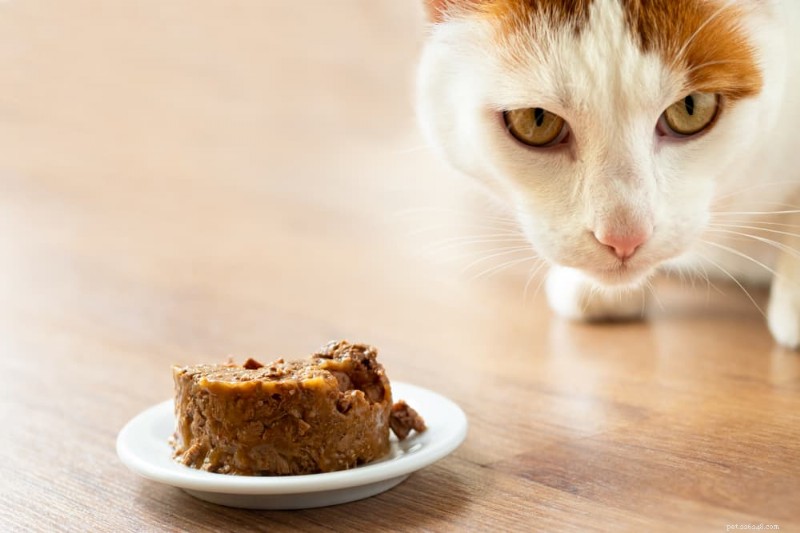
Treatment is tailored to the underlying cause and severity:
- Medications to ease urination and reduce bladder inflammation (e.g., phenylpropanolamine, ursodeoxycholic acid, or anti‑inflammatories).
- Catheterization for obstructions, often followed by hospitalization for monitoring, pain relief, and antibiotics.
- Environmental management to lower stress—maintaining consistent routines, providing multiple litter boxes, and ensuring a calm home environment.
- Dietary changes—prescription urinary formulas to control pH and increase water intake, or transitioning to wet food.
- In some cases, supplements such as glucosamine, pentosan polysulfate sodium, omega‑3 fatty acids, and certain anti‑anxiety medications may be recommended.
Choosing the Right Food for Urinary Health
Wet food increases water consumption, which is essential for proper urine flow and pH balance. Prescription urinary diets often contain reduced levels of certain minerals and additional nutrients that help prevent stone formation and promote bladder health.
Estimated Costs
Costs vary based on location and severity:
- Mild cases (check‑up, urine test, medications, diet): $200–$300.
- Moderate cases (blood in urine, additional tests): $300–$500.
- Severe cases requiring emergency care, hospitalization, or surgery: $3,000–$5,000.
Preventing FLUTD
While it may not be possible to eliminate risk entirely, proactive steps can significantly reduce incidence:
- Maintain a stress‑free environment—consistent routines, quiet spaces, and minimal sudden changes.
- Provide ample fresh water; most cats need about one ounce per pound of body weight daily.
- Offer wet food, flavored water (tuna juice or low‑sodium broth), or a running water fountain to encourage drinking.
- Keep litter boxes clean and use a litter type your cat prefers.
- Ensure each cat has separate food, water, and litter areas.
Related Health Concerns
Recurrent FLUTD can lead to kidney complications or chronic urinary tract inflammation. Additionally, bladder discomfort may cause constipation, affecting overall colonic health.
- Pet Behavior
- Pet Breeds
- Pet Names
- Pet Adoption
- Pet Training
- Cat Stories
- Pet Health
- Adorable Pets
- Cats
- Do Dogs Truly See in the Dark? Exploring Their Night Vision Capabilities
- Lhasa Apso Puppy Development: Key Growth Stages & Care Tips
- 202 Disney‑Inspired Dog Names: Choose the Perfect Name for Your Pup
- Top 10 Most Dangerous Birds on Earth—Surprising Creatures & Their Threats
- Mastering Off‑Leash Recall: Train Your Dog to Run Confidently
- How to Pick the Healthiest Dog Treats: 7 Key Factors
- Tortoiseshell Cats: Personality, Color Myths, and Care Guide