

Why Cats Chase Strings: A Behavioral and Scientific Explanation
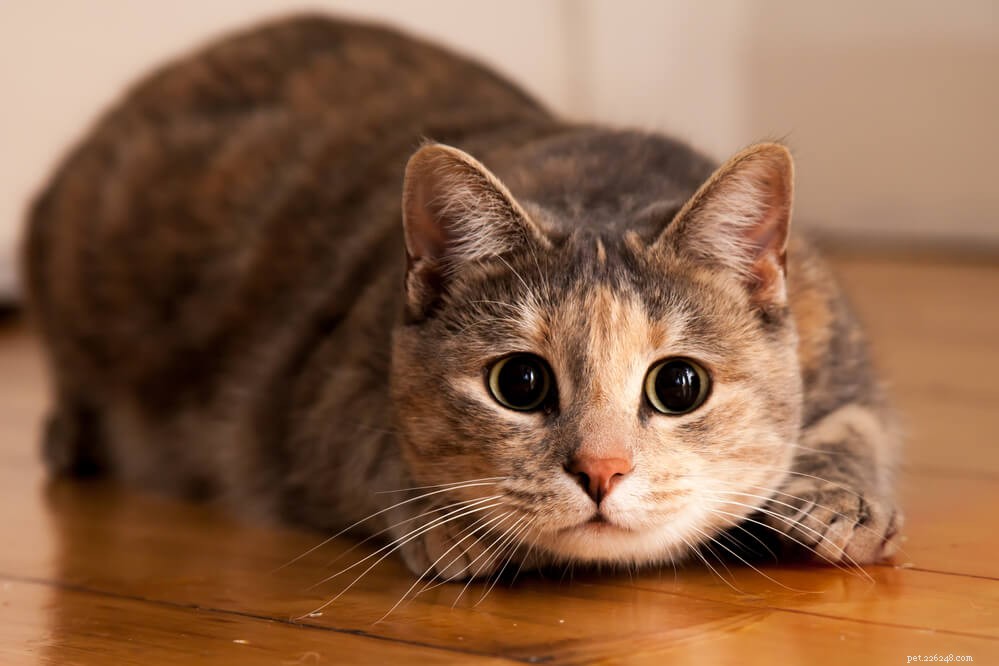
So, why do cats play with string? Well, partly for entertainment purposes. If you do not believe me, just grab a long string, and walk across the room in front of your cat and his attention will be solely on the string. Oddly enough, they never look at the person pulling the string, just the string itself. It’s so funny to watch. The eyes and ears focus forward, maybe they even give a little shimmy, and in a few seconds they are ready to pounce. I’m sure you have asked yourself, “why do cats attack string?” But why do cats chase string? Are they just interested in string? Or does it have something to do with nature?
Animal behavioralist have come up with many reasons why your cat chases string. And it is not only string. Cats chase shoelaces, ribbons, and any kind of sewing thread that comes in their path.
Table of Contents
Hunting
As you surely know, your cat is a predator species closely related to lions and tigers. Now, naturally your cat isn’t that dangerous. However, there’s an old expression that goes, “You can take the boy out of the country, but you can’t take the country out of the boy.” I believe that may be apropos here. Because you can domesticate wild animals, but you can’t domesticate the wild from them.
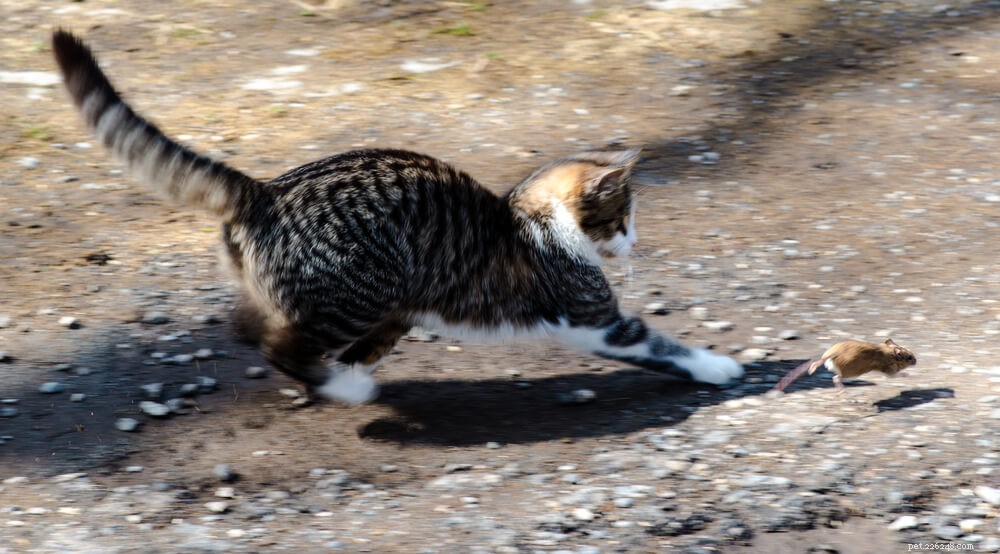
Moving strings, threads and yarn across the floor can closely resemble a snake, a lizard tail, mouse tail and that can excite your cat, triggering their natural hunting instincts to attack. Naturally, snakes are dangerous to feral cats and can also be their prey as well. Of course your cat is fully aware that the string is not the predator or prey in the wild – it is just honing its hunting and defensive skills.
In other words, Fluffy may be a cute, innocent, white fluffy cat, but, Fluffy is by nature a stalker. One whose DNA tells her to stalk, catch, kill and eat whatever she may consider her prey. She may be sitting on your lap, purring, but her instincts are right there, just waiting to pounce on anything she may conceive as prey or predator.
Motion and eye sight
You may have observed your cat looking outside for long periods of time and wondered what was of great interest. Believe it or not, what your was doing was searching for predator or prey. You see, in the wild, their eyes and ears are their best sensors. They can hear and see things moving at a distance far greater than we can. In fact they have eyes that can notice the tiniest of movements in a field before them. Once your cat’s eyes have locked on to it, which only takes a moment, it decided if it is time to hunt, fight or take flight.
Natural instincts
Once your cat has decided that this isn’t something bigger or more dangerous, it is time to do what house cats do best besides sleep for long periods of time. Play. This is nature’s way of telling your cat to hone his/her skills. Your cat may honestly know that that is just a string, just like you do, but for the moment, it loses sight of that concept and if fully engaged in getting better at its craft, even though it is not in the wild, and that is one of the biggest reasons why cats chase string.
Resembles cat’s tails
Do you remember when your cat was just a little, cute kitten? Most likely one of the things he did, which had you scratching your head and laughing at the same time, was chasing his tail. Kittens love to chase their tails. Naturally as your cat grew older the inclination to chase its own tail decreased and may have even ended altogether as it aged. Your cat did that as a kitten because that is what most likely resembled prey that it would find in the wild. That was just another way that instinct and DNA taught your cat to be a successful hunter, by chasing its own tail.
- Pet Behavior
- Pet Breeds
- Pet Names
- Pet Adoption
- Pet Training
- Cat Stories
- Pet Health
- Adorable Pets
- Cats
- Why Dogs Chase Cats: Instincts, Behavior, and Building Harmony
- Why Your Cat Is Extra Needy: Uncovering the Roots of Their Attachment
- Understanding Cat Chirping: Causes, Significance, and Owner Tips
- Understanding Why Cats Chase Their Tails: Insights & Tips
- Why Cats Are Drawn to Strings: The Science Behind Their Playful Obsession
- The Science Behind Why Cats Chase Laser Dots
- Why Do Dogs Chase Cats? Uncovering Instincts & Behavior