

Can Cats Eat Raw Squid? Risks, Benefits, and Safe Feeding Guidelines
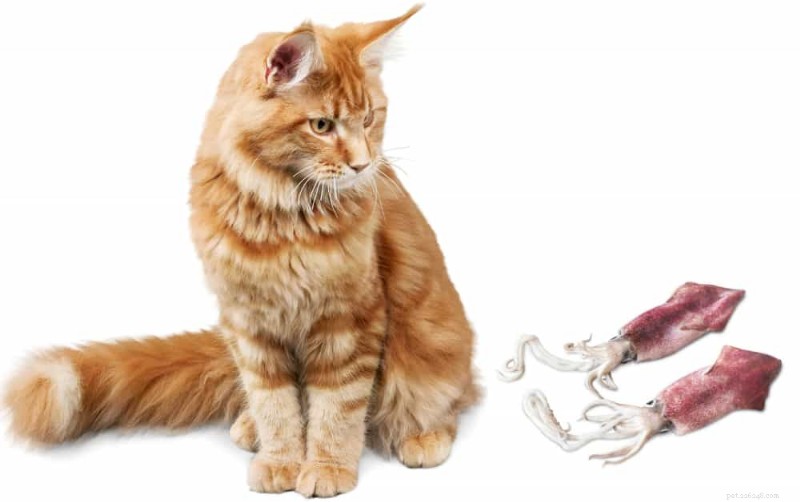
Squid is a delicate, soft‑bodied cephalopod celebrated in Mediterranean and Japanese kitchens. While it offers a burst of flavor for humans, many cat owners wonder if it’s a safe treat for their feline companions.
This guide, crafted by veterinary nutrition experts, explains whether cats can safely consume raw or cooked squid, the potential health hazards, and how to incorporate it responsibly into a balanced diet.
Can Cats Eat Squid?
Yes—when cooked and served in moderation, squid can be a protein‑rich treat for cats. Cooked squid is free of the harmful bacteria found in raw preparations and provides essential nutrients such as protein, vitamin C, calcium, and iron that support heart health, pregnancy, and glossy fur.
Always slice the squid into bite‑sized pieces to prevent choking and avoid over‑feeding, as cats have small stomachs and are prone to weight gain from excess protein.
Why Raw Squid Is Not Recommended
Raw squid carries two primary risks for cats:
- Foodborne Bacteria – Raw squid can harbor pathogens such as Vibrio vulnificus, which can cause severe vomiting, diarrhea, and in rare cases, septic shock.
- Thiamine Degradation – Certain raw cephalopods contain enzymes that break down thiamine (vitamin B1), leading to neurological symptoms like ataxia, muscle weakness, and even paralysis.
Given these dangers, veterinarians advise against feeding raw squid to cats.
Benefits of Cooked Squid for Cats
When properly cooked, squid offers a safe source of zinc, the mineral that promotes healthy skin, a lustrous coat, and optimal reproductive function in female cats. However, excessive zinc intake can cause toxicity, presenting as tremors, anorexia, lethargy, or, in extreme cases, fatal organ failure. Limit cooked squid to no more than a few small pieces per week.
Potential Side Effects of Raw Squid
Feeding raw squid can result in:
- Foodborne infections (e.g., Vibrio)
- Choking hazards due to its chewy, flexible texture
- Risk of developing a compulsive eating habit if the cat becomes overly attracted to the taste.
Recognizing Raw Squid Toxicity in Cats
Watch for excessive drooling, vomiting, diarrhea, or signs of neurological distress such as stumbling or loss of balance. If any of these symptoms appear, contact your veterinarian promptly.
Could Raw Squid Lead to Paralysis?
Yes. The thiamine‑depleting enzymes in raw squid can impair nerve function, potentially causing weakness, unsteady gait, and in severe cases, paralysis. This underscores the importance of feeding only cooked squid.
Should Kittens Consume Squid?
It is best to avoid giving squid to kittens. Their immature digestive systems are ill‑equipped to handle the high protein and potential bacterial load, and the texture of raw or even cooked squid can be difficult to chew. Instead, feed age‑appropriate commercial kitten food rich in essential nutrients.
What About Raw Calamari?
Like raw squid, raw calamari poses bacterial risks and can cause digestive upset. Offer only cooked calamari, finely chopped, and in small amounts.
Conclusion
While squid can be a tasty treat for adult cats when properly cooked and portioned, raw squid is unsafe due to bacterial contamination and thiamine breakdown. Prioritize balanced, species‑appropriate diets and consult your veterinarian before adding new foods.
Related Topics:
- How Much Onion Is Toxic to Cats?
- What Do Savannah Cats Eat? 4 Safe Food Groups
FAQ
Can Cats Eat Shrimp?
Cooked shrimp is safe and protein‑rich, but due to its high sodium and cholesterol content, it should be given sparingly.
Can Cats Eat Raw Fish?
Raw fish carries similar bacterial risks and can trigger thiamine deficiency, leading to neurological issues. Cooked fish is recommended.
Do Cats Eat Squirrels?
Cats may chase squirrels, but the animal’s claws and teeth can injure the cat. It’s best to discourage hunting outside.
- Pet Behavior
- Pet Breeds
- Pet Names
- Pet Adoption
- Pet Training
- Cat Stories
- Pet Health
- Adorable Pets
- Cats
- Shocking Discovery: Fringe-Limbed Treefrog Tadpoles Consume Their Father's Skin
- Discover the World of Tabby Cat Breeds: Facts & Fun
- Ultimate Puppy Socialization Checklist: Step-by-Step Exposure Guide
- Debunking the Curse: Why Black Cats Are Often Seen as Bad Luck
- Gabapentin for Dogs: Expert Guide to Pain & Anxiety Relief
- The Fascinating Science Behind Your Cat’s Nose
- Discover 15 Unique Dog Breeds Native to Latin America