

Can Cats Safely Consume Whipped Cream? Expert Insights on Pros, Cons, and Alternatives
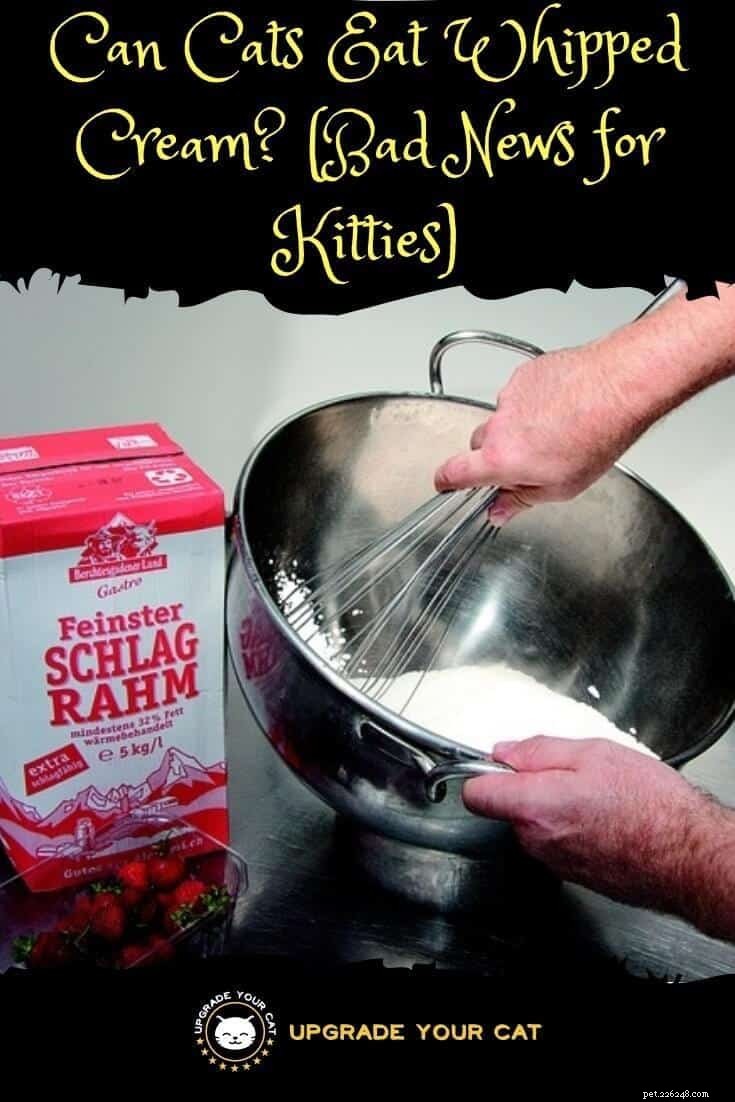
We all love a dollop of whipped cream, but when it lands in the paws of a curious feline, the question arises: is it safe for them to indulge? After reviewing veterinary literature and speaking with animal nutritionists, the consensus is clear—whipped cream is not a suitable treat for cats.
What Exactly Is Whipped Cream?
Whipped cream, also known as Chantilly or squirty cream, is produced by aerating heavy cream until it becomes light and airy. The process traps countless tiny air bubbles, giving it its characteristic fluffy texture. While it’s a staple topping for desserts and beverages, its high lactose content makes it problematic for most cats.
Can Cats Eat Whipped Cream?
Although cats can physically consume whipped cream, they should not. Cats are naturally lactose intolerant; after weaning, the lactase enzyme that digests lactose declines sharply. Consequently, lactose-rich foods can upset their digestive systems.
What Happens If a Cat Consumes Whipped Cream (And Other Lactose‑Rich Foods)?
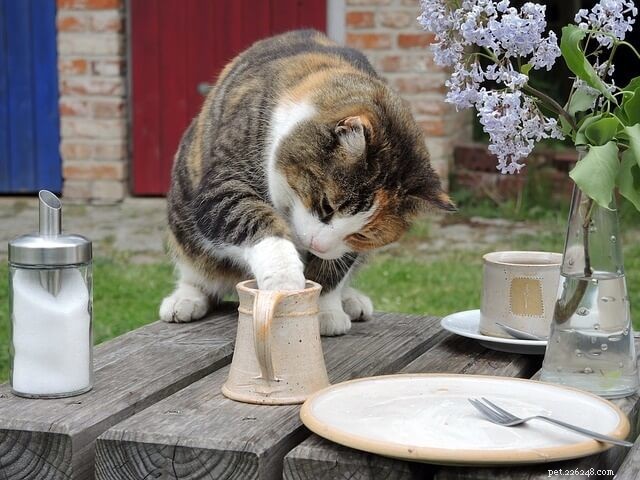
Even a single lick can trigger gastrointestinal distress. The undigested lactose draws water into the intestines, and gut bacteria ferment the sugars, producing gas and fluids that lead to vomiting and diarrhea within 8–12 hours. A study published in the VCA Hospitals Journal confirms these symptoms as typical of lactose intolerance in felines.
Does This Mean Cow’s Milk Is Bad for Cats?
Yes—traditional cow’s milk is unsuitable for most adult cats. However, specially formulated cat milks can provide a lactose‑reduced alternative. For example, the Hartz Powdered Kitten Milk Replacer contains 98% less lactose, reducing the risk of digestive upset while still offering flavor.
Hartz Powdered Kitten Milk Replacer Formula
Check the latest price and availability on Amazon.com.
The Honest Kitchen’s Instant Goat Milk for Cats
Available on Amazon, this product is also lactose‑reduced and suitable as an occasional treat.
Both options should be offered sparingly—just a shallow saucer a day for a few days—so your cat can enjoy a dairy experience without adverse effects.
TL;DR – In Summary
Whipped cream, heavy cream, and cow’s milk are all high in lactose and can trigger vomiting or diarrhea in cats. Once kittens transition away from mother’s milk, their ability to digest lactose diminishes, making these foods risky. If you wish to treat your cat with dairy, opt for lactose‑reduced cat milks and limit portions to maintain digestive health.
- Pet Behavior
- Pet Breeds
- Pet Names
- Pet Adoption
- Pet Training
- Cat Stories
- Pet Health
- Adorable Pets
- Cats
- Stop Your Cat from Clawing You: Proven Tips for a Pain-Free Home
- Male vs Female Poodle: Key Personality and Care Differences Explained
- Expert Guide: Caring for Your Freshwater Fish Tank
- Do Dogs Really Sense When You Kiss Them? Understanding Their Emotional Response
- Professional Homeopathic Solutions for Your Dog or Cat’s Dental Health
- How Ducks Adapt Their Behavior to Thrive in Aquatic Environments
- Vetster: Convenient At‑Home Vet Consultations for Your Pet