

Are Sardines in Olive Oil Safe for Cats? All the Facts You Need
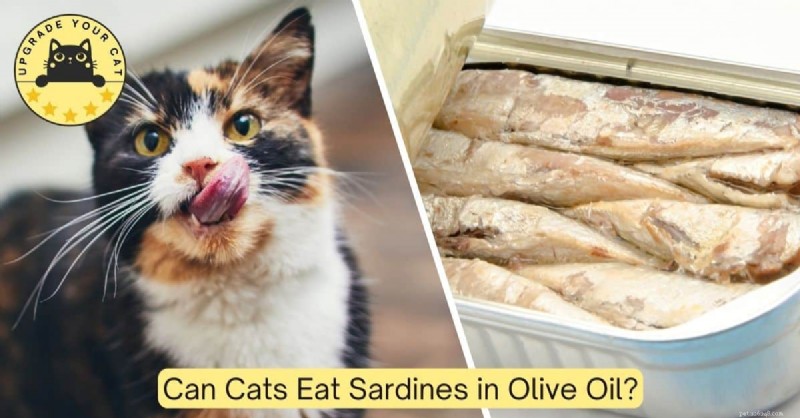
Sardines are a nutrient‑dense fish, packed with omega‑3 fatty acids and high‑quality protein. A 3‑ounce serving delivers roughly 2 grams of omega‑3, supporting heart health in humans and pets alike. If you’re a cat owner, you’re probably wondering whether sardines—especially those packed in olive oil—are a healthy treat for your feline companion.
Are Sardines in Olive Oil Safe for Cats?
When given in moderation, sardines are a safe and beneficial addition to a cat’s diet. They provide:
- Omega‑3 fatty acids that help reduce inflammation and support cardiovascular health.
- Vitamin B12, essential for nerve function and energy metabolism.
- High‑quality protein and calcium that aid in bone maintenance.
- Low carbohydrate content—an advantage for diabetic cats.
- Antioxidants that can help manage anxiety and promote overall well‑being.
Because of these benefits, many veterinarians recommend sardines as an occasional treat. The key is to keep the portion small and avoid any additives that could upset your cat’s stomach.

How to Feed Sardines to Your Cat
Cats are generally attracted to the aroma of fish, so offering sardines can be an easy way to add variety to their meals. Here are safe feeding practices:
- Serve only one sardine per meal, no more than three times a week.
- Choose sardines packed in water or olive oil—avoid those in brine, sauce, or with added seasonings.
- If you prefer a smoky flavor, opt for commercially smoked sardines that contain no onions or garlic.
- Remove all bones before feeding, as even tiny bones can cause injury.
- Introduce sardines gradually to monitor for digestive upset.
Overfeeding sardines can lead to an excess of fat and a fishy odor in your cat’s stool. Moderation and monitoring are essential.
Preparing Sardines for Your Cat
Preparing sardines for feline consumption is straightforward. Consider the following steps:
- Start with sardines in water if you’re new to feeding them. They are bland and less likely to cause upset.
- For a richer taste, sardines in olive oil are acceptable—but use only a thin layer, as too much oil can trigger diarrhea.
- Frozen sardines can be thawed, minced, and blended into a paste for a smooth texture.
- Place a single sardine on top of your cat’s regular food, or mix the paste into wet food.
- Batch‑cook a week’s worth of sardine paste to save time and keep the meal interesting.

Frequently Asked Questions
Can cats eat sardines in sauce?It’s best to avoid sardines packed in sauce or brine, as these often contain onions, garlic, or other spices that are toxic to cats. If you insist on using sauce, drain the sardines first and limit the amount of sauce you serve.
Can cats eat olive oil?Olive oil is safe in small quantities and can provide healthy fats. However, excessive oil can raise the fat content of a cat’s diet, potentially leading to diarrhea or vomiting. Use a teaspoon or less per meal.
Are sardines good for cats with diabetes?Because sardines contain no carbohydrates and are high in protein and omega‑3s, they can be a useful component of a diabetic cat’s diet when used sparingly.
Why does my cat have diarrhea after eating sardines?Common causes include too much oil, added seasonings, or a sudden increase in fish intake. Reduce portion size or switch to sardines in water to alleviate symptoms.
Conclusion
Sardines are a nutrient‑rich treat that can benefit cats when fed responsibly. Opt for water or olive‑oil packed sardines, avoid sauces and spices, and keep portions modest to prevent digestive upset.
Image Credits:
https://depositphotos.com/239285342/stock-photo-sardines-baltic-herring-rosemary-thyme.html
https://depositphotos.com/10220585/stock-photo-cat-eating-fishes-in-fishing.html
- Pet Behavior
- Pet Breeds
- Pet Names
- Pet Adoption
- Pet Training
- Cat Stories
- Pet Health
- Adorable Pets
- Cats
- Effective Ways to Remove Matted Hair from Your Dog
- Why Grapes and Raisins Are Toxic to Cats – A Vet-Backed Guide
- Dog Shaking Explained: Causes, Symptoms, and Vet-Approved Treatments
- Do Dogs Experience Sadness? Understanding Their Emotional Well-Being
- Top Dog Breeds for Allergy-Friendly Homes
- 16 Cozy Pets That Bring Warmth and Joy to Your Home
- Top Dog Food Picks for Every Age: Expert‑Approved Nutrition