

3 Essential Overlooked Factors in Senior Cat Care
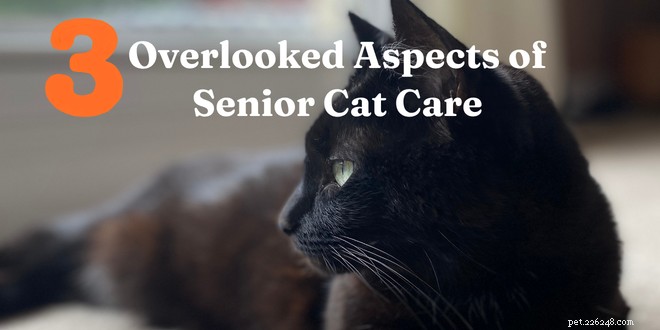
With advances in veterinary medicine and a deeper understanding of feline nutrition, cats now enjoy longer, healthier lives. In my own home, I’ve witnessed one cat reach the remarkable age of 24 years. Yet, many owners overlook the subtle signs that signal their companion has entered the senior stage because the cat still appears lively and curious.
Conversely, some cats enter retirement with inactivity, pain, isolation, and a diminished interest in activities that once delighted them. These changes are often dismissed as “old‑age flatulence,” but they may indicate underlying pain or disease. Regular veterinary check‑ups—ideally twice a year for seniors—are crucial for early detection and effective management. If you have previously skipped appointments due to transportation challenges, it’s time to reschedule. Prioritizing your cat’s health now can dramatically improve comfort and longevity.
Senior years are a special chapter in your cat’s life. They deserve to enjoy continued affection, comfort, and a high quality of life.
Beyond routine exams, here are three often‑neglected aspects of senior cat care that can make a meaningful difference:
1. Foster Mental Stimulation
Engaging your cat in activities that challenge the mind helps preserve cognitive function. Interactive play, puzzle feeders, and enrichment toys keep hunting instincts alive while sharpening problem‑solving skills. Choose puzzle feeders that match your cat’s difficulty level—start simple and gradually increase complexity. Positive reinforcement training, such as clicker training, can also be a fun way to keep the mind active. Keep sessions short, rewarding, and tailored to your cat’s physical ability.
2. Maintain Physical Activity
Regular movement preserves joint health and prevents muscle atrophy. Adjust play intensity to your cat’s physical limits—ground‑based toys like feather wands or small balls often suffice when vertical leaps become difficult. A few minutes of gentle play each day can keep muscles supple without overexertion. If your cat’s enthusiasm wanes, consider incorporating low‑impact activities such as guided walks on a leash or interactive laser pointers.
3. Optimize the Environment
Senior cats may struggle with mobility, vision, and bladder control. Small environmental tweaks can restore independence:
- Install ramps or steps to reach favorite high‑altitude spots.
- Switch to elevated food and water bowls to reduce neck strain.
- Provide additional scratching posts, including horizontal pads, for easier access.
- Increase litter box numbers and use low‑entry or high‑side boxes to accommodate limited climbing ability.
- Use motion‑activated nightlights or textured mats to aid navigation if vision is fading.
- Consider temporary gates or barriers to prevent falls near staircases.
Other considerations—dietary adjustments, ongoing medication, regular grooming, and temperature regulation—are also vital. Together, these measures create a supportive environment that promotes comfort and well‑being.
Need More Guidance?
For deeper insights into feline behavior and training, explore the best‑selling books by Pam Johnson‑Bennett. For health concerns, always consult a licensed veterinarian; this article is not a substitute for professional care.
- Pet Behavior
- Pet Breeds
- Pet Names
- Pet Adoption
- Pet Training
- Cat Stories
- Pet Health
- Adorable Pets
- Cats
- How to Keep Your Home Clean: Removing Dog Hair and Reducing Shedding
- Seamless Cat Introductions: A Step-by-Step Guide for a Harmonious Home
- Does Your Dog Have Natural Healing Powers?
- Why Does Your Cat Struggle to Coexist With Other Cats?
- Why a Dog Poop Deep Clean Is Essential for Your Neighborhood
- Kintamani Dog: Bali’s Heritage Spitz with International Recognition
- Expert Guide: Clean Your Cat’s Litter Box Like a Pro (Behaviorist Approved)