

Fishing Cats: The Rare Water‑Loving Feline – Essential Facts & Conservation Insights
Wrangel/Getty Images
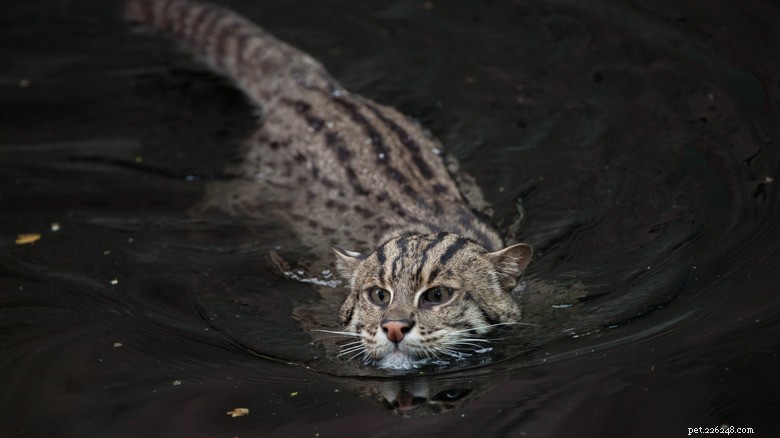
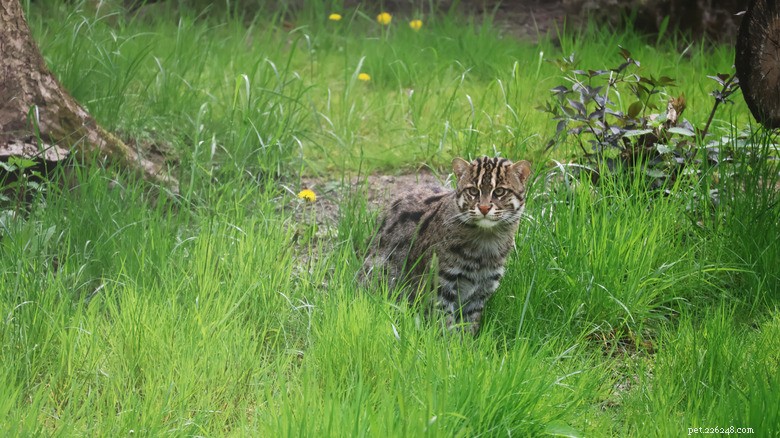
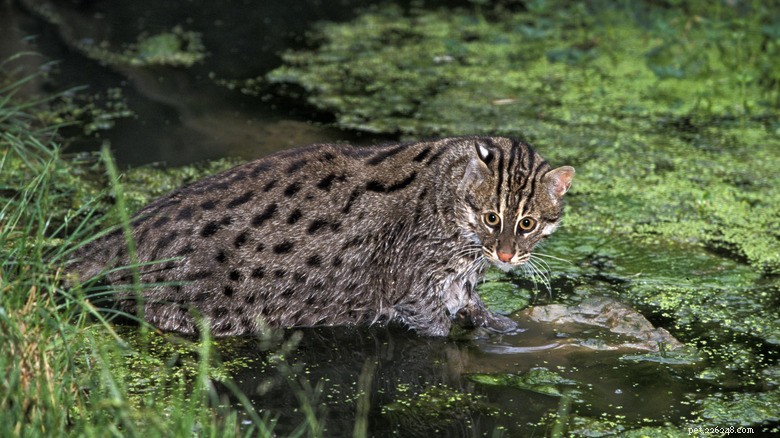
While many domestic cats avoid water, the fishing cat (Prionailurus viverrinus) thrives in aquatic habitats. Native to the wetlands of southern Asia—Sri Lanka, Bangladesh, Cambodia, Thailand and surrounding regions—this elusive wild felid is uniquely adapted for life in marshes, swamps, and riverbanks.
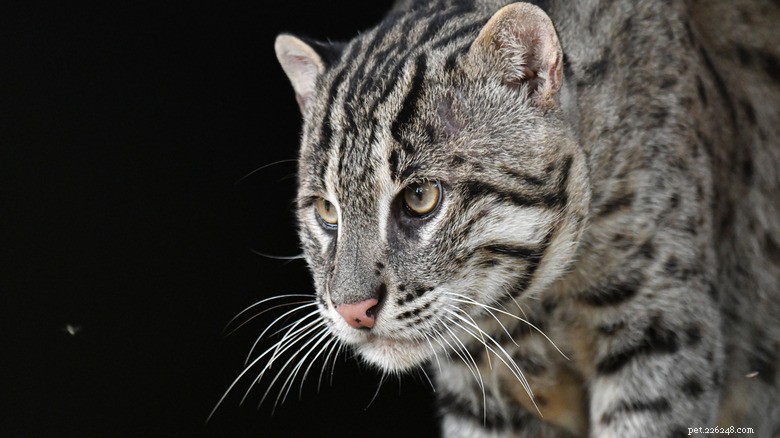
Its partially webbed toes and retractable claws enable efficient swimming and precise hunting in muddy environments. With a striking coat of stripes and spots that provide camouflage, the fishing cat exemplifies evolutionary specialization for an amphibious lifestyle.
They’re on the larger side of small
Guy‑ozenne/Getty Images
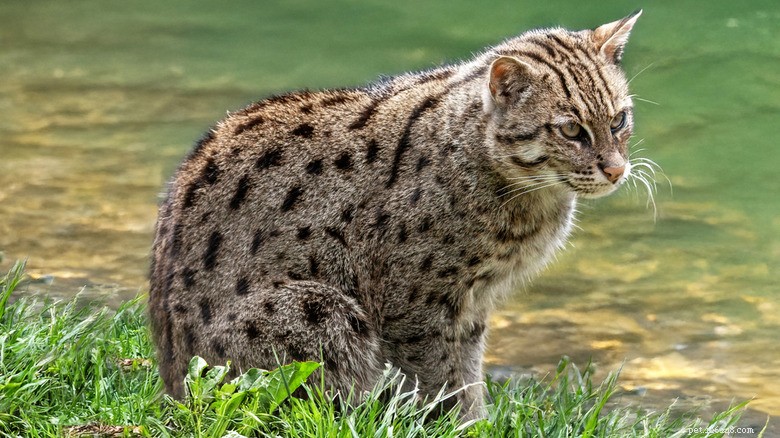
Most wild cats are modest in size—about 80 % of the family weigh no more than a domestic cat (via A‑Z Animals). Fishing cats, however, rank toward the larger end of this spectrum. Females can reach 20 lb (9 kg), while males may weigh up to 30 lb (13.5 kg), compared with the typical domestic cat ceiling of ~20 lb.
Skilled piscivorous hunters
Slowmotiongli/Getty Images
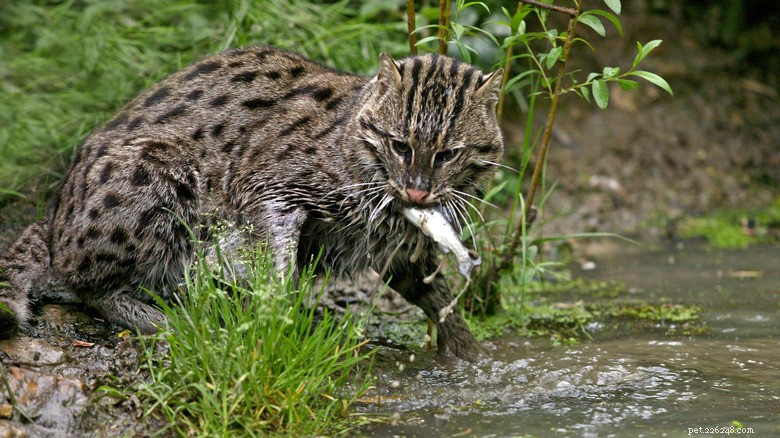
As true piscivores, fishing cats employ remarkable tactics: they stalk prey nocturnally, dive to seize fish, and use their paws to scoop slippery catches. Their diet is not limited to fish; they also take small rodents, crabs, frogs, and occasionally birds.
Learning by observation
rachanon cumnonchai/Shutterstock
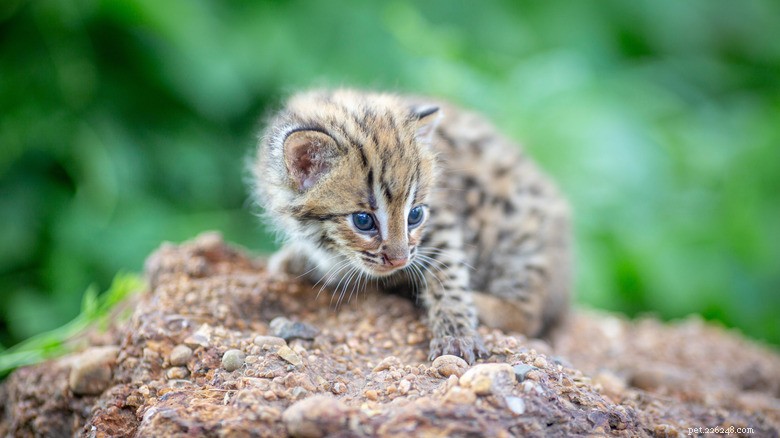
Kittens acquire hunting and swimming skills by watching their mothers from as early as one month old. The male does not participate in rearing; maternal guidance alone prepares juveniles to hunt independently before they reach one year of age.
Mysterious and solitary
Angela Emanuelsson/Getty Images
Fishing cats are primarily solitary hunters. Litters usually consist of two kittens, and once they mature, each individual goes its own way. Because sightings are rare, scientific understanding of their social interactions remains limited.
Evolutionary ties to leopards
Sithumina Photography/Shutterstock
Genetic studies indicate that fishing cats diverged from leopard ancestors roughly six million years ago. Despite this distant relationship, they share comparable coat patterns and hunting instincts, which sometimes leads to misidentification and illegal skin trade that threatens both species.
Conservation status
Slowmotiongli/Getty Images
The IUCN lists the fishing cat as Vulnerable, with national classifications of Endangered in Bangladesh and Nepal. Habitat loss from wetland drainage, pollution, over‑exploitation, and climate change has driven dramatic population declines, forcing some individuals into urban fringe areas, as reported in Sri Lanka. Ongoing conservation efforts focus on habitat protection, scientific research, rescue operations, and public awareness to avert extinction.
- Pet Behavior
- Pet Breeds
- Pet Names
- Pet Adoption
- Pet Training
- Cat Stories
- Pet Health
- Adorable Pets
- Cats
- Lyme Disease in Dogs: Recognizing Symptoms & Choosing Effective Treatments
- Keep Your Cat Safe This Halloween: Expert Tips for a Cat-Friendly Spooky Season
- Pug Dog Breed: Characteristics, Care, and Training Guide
- Cat Glaucoma: Symptoms, Causes, and Treatment Options
- Understanding Cat Jealousy: Why One Cat May Envy the Other
- Stop Your Dog from Peeing Inside: Proven Strategies for House Training
- Hamster Wheels: Hidden Hazards and How to Keep Your Pet Safe