

Scientists Identify Genetic Mutation Behind Finland’s “Salty Licorice” Cat Coat Pattern
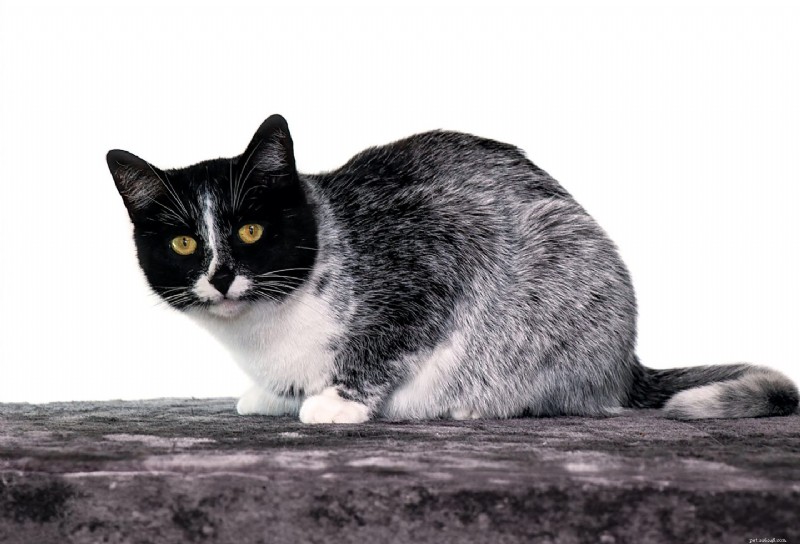
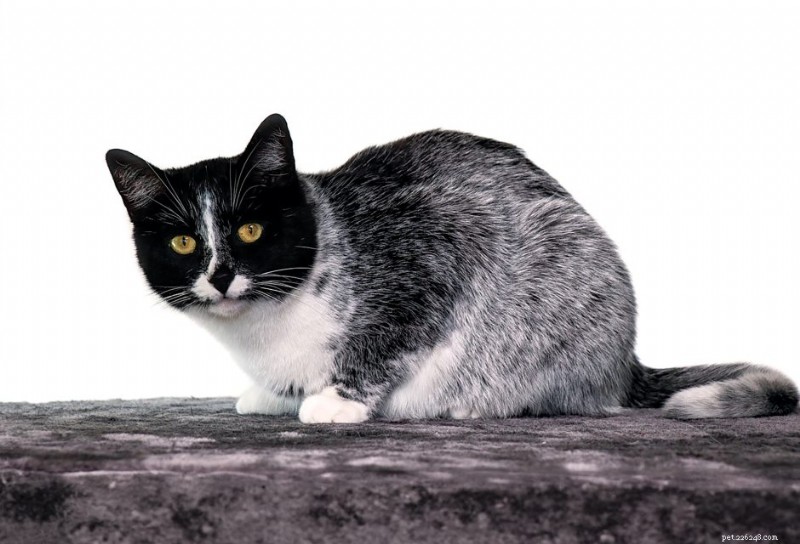
Genetic mutation behind Finland’s “salty licorice” cats identified
Last Updated: March 10, 2026
Featured Photo: Ari Kankainen
A collaboration between the University of Helsinki and the pet‑genetic testing company Wisdom Panel has uncovered the mutation responsible for the striking “salty licorice” coat seen in a handful of Finnish cats.
What is a “salty licorice” cat?
The nickname comes from a popular Finnish candy—black licorice speckled with white salt. Cats with this pattern display a dark base that fades to white toward the back of the body and tail, creating an ombré effect that resembles the candy.

AdobeStock/Tobias Arhelger
How the pattern differs from a tuxedo coat
While both patterns feature black and white fur, “salty licorice” cats have a gradient: the fur is darkest at the roots, lightening progressively to white on the shoulders, back, and tail tip. Traditional tuxedo cats have stark, well‑defined black and white patches.
The discovery
Geneticist Hannes Lohi and his team at the University of Helsinki examined DNA from over 5,000 blood samples representing more than 40 feline breeds. Cat owners and breeders donated DNA from “salty licorice” cats for the study, which was published in *Animal Genetics* (May 2026).
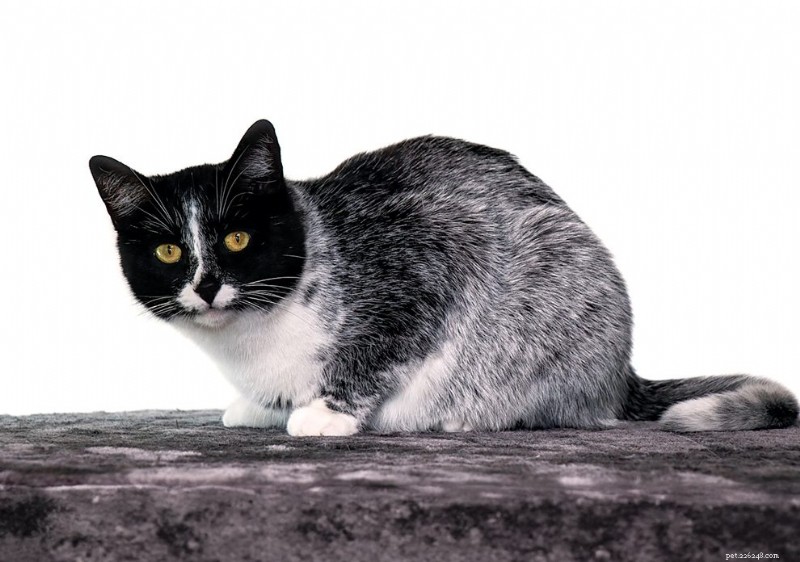
Photo: Ari Kankainen
The w‑sal mutation
The researchers identified a novel recessive variant of the KIT proto‑oncogene, which they named **w‑sal** (for “salmiak”). Cats homozygous for w‑sal display the characteristic coat; heterozygous cats carry one copy without showing the pattern, and wild‑type cats have none.
The KIT gene influences melanocyte development. In other species, KIT mutations can cause white fur and sometimes deafness, but the w‑sal variant appears not to affect hearing in cats.
Implications for breeders
Lohi notes that the primary goal of the research is to understand the molecular basis of feline traits and disorders. He adds that breeders may be interested in developing a line of “salty licorice” cats, but stresses the need for long‑term health monitoring to ensure no hidden colour‑related issues arise.
This article originally appeared in the award‑winning Modern Cat magazine. Subscribe today!
- Pet Behavior
- Pet Breeds
- Pet Names
- Pet Adoption
- Pet Training
- Cat Stories
- Pet Health
- Adorable Pets
- Cats
- Border Terrier: Traits, Care, and Lifestyle
- Master Dog Training: Proven Pro Tips for Ultimate Obedience
- Veterinary Insights: 7 Key FAQs on Owning a Samoyed in Singapore
- How to Select the Right Veterinary Practice for Your Cat
- Ringworm in Dogs: Symptoms, Causes & Quick Treatment Guide
- 6 Expert Strategies to Safeguard Your Bird Cage from Cats
- Is Your Dog Truly Happy When It Sleeps All Day? Understand Canine Rest and Health