

Master Litter Training Your Cat in 5 Simple Steps – The Ultimate Guide
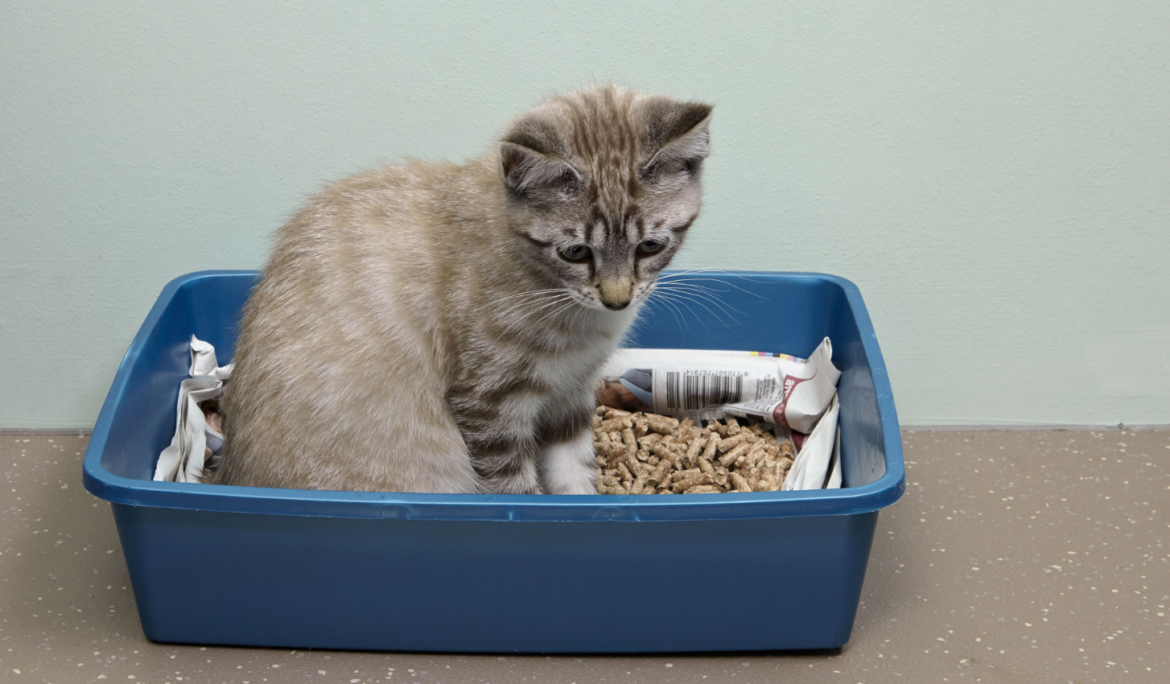
It is instinctive in cats to bury the evidence after doing their business. This makes litter training a cat super easy.
And it is important to litter train a cat so that your surroundings will remain as clean as you love them.
If you have just adopted a cat then you should read this article to the end. I described the steps on how to litter train a cat.
In this post, you will learn
- Step On How To Litter Train A Cat
- What To Do When Your Cat Fails To Use The Litter Box
Are you ready? Let’s get started!
Step On How To Litter Train A Cat
Follow these basic steps to litter train a cat:
-
Buy The Litter Box
The first step on how to litter train a cat is to get the right litter box.
Your cat will appreciate a box that it can enter and exit easily. A box that is not too high is my recommendation.
Also, the size of the box matters. Your cat needs ample room to do his business. You should therefore go for a box that is slightly bigger than your cat.
Another factor to consider is whether the box will be covered or uncovered. Your cat may prefer either (that is for you to discover, #winks).
A covered box will provide more privacy which most cats love but then it also traps the odour of the mess, making the box less appealing.
Furthermore, it is advisable to have an extra litter box. That is one more litter box than the number of cats in your home.
-
Choose A Litter Material
After securing a litter box, the next thing is to choose a litter material.
There are various types including Clay, Wood, Coconut husks, Walnut shells, Corn, Wheat, Recycled newspaper, and Silica-based gel crystals.
Generally, cats prefer a clumping material because it is easy to dig and bury in. It also makes clean-up less difficult.
Additionally, unscented litter has proven to be a safe option for your cat as it reduces the risk of allergic reactions.
Again, the amount of litter in the box is significant. Don’t put too much and don’t put too little either.
If it is excess, it may splash on the floor as your cat digs and buries. When it is insufficient, your cat will not have enough to dig and bury. It will also be difficult to clean.
Moderate quantity is the best choice here. You can begin by filling the box to about 2 inches. Then add more if the need arises. However, have you known how to give a cat a pill and alternative ways to give your cat a pill.
-
Place The Box In A Good Location
Thirdly on how to litter train a cat is to place the litter box in the right location.
Where you place the litter box can influence your pet to use it, or not.
Consider the following when choosing the location for your cat’s litter box:
- The box needs to be in plain sight where your cat can access it easily
- Place the litter boxes on different floors in the house so that your pet can quickly reach the one closest to him when he needs to go.
If you can afford to, place a box on each floor in your home.
- Avoid putting the box in a dark corner so that your cat does not feel trapped when he wants to do his business.
- If there is no natural light where you want to keep the box, add an artificial one. Your pet needs to see the box to use it.
- Remove any source of distraction in the place where you intend to keep the box. Cats need help to stay focused and do their thing.
- For obvious reasons, the litter box should not lie side by side with the food and water bowls.
If you devoted one room to your cat then place the meal bowls and litter box at opposite corners of the room.
For your cat’s health, space in between them ought to be very wide.
- Lastly, avoid moving the litter box from time to time. It can confuse your pet and promote unwanted behavior.
Find a purr-fect spot and leave it there permanently. However, have you known how to maintain healthy cat teeth: why, how & steps to achieve it?
-
Get Your Pet To Use The Litter Box
After you have placed the litter box in the desired position, it is time to introduce your pet to the box.
Take your cat through the floors and show him all the litter boxes in the house. Let him sniff them and even paw at them if he so wishes.
You can place your pet inside each box to make the experience more real. Then play around with the litter with your fingers to give your cat the idea of digging and burying.
Another way to encourage your cat to use the litter box is to place him in it after meal or nap time. Continue with this routine until your cat starts using the box on his own.
-
Maintain The Litter Box
The last step on how to litter train a cat is to maintain the litter box. In other words, keep the litter box clean always.
This has two benefits – removes the cat smell from your home and makes the box appealing to your cat.
How to:
- Clean up the litter box daily. Remove your cat’s deposits and refill or replace the litter when it is due.
- Wash the box as often as possible (especially when you replace the litter) using mild soap or a solution of water and vinegar.
Avoid using bleach or other strong chemicals as they may be harmful to your cat. However, have you known how to toilet train your cat: importance, merits and demerits?
What To Do When Your Cat Fails To Use The Litter Box
Say, you have followed the steps above yet your cute kitty does not seem to get the message, different factors can be responsible.
It could be that you have a picky feline. Try another shape or size of the litter box to see if there will be an improvement.
If that does not cut it, switch from covered to an uncovered box or vice versa, maybe your cat is feeling too confined or too exposed as the case may be.
Another approach is to change the type of litter in the box. For example, replacing clay with wheat litter.
In a case where your cat was using the box but gradually stopped, it could be that you are leaving the soiled trays for a long time before cleaning up. Change that!
It could also be a result of a medical condition such as a urinary tract infection. So, do well to inform your vet if you suspect any disruption in your cat’s health.
Stress and anxiety have also been found to make a cat stop using its litter box abruptly. Check for any sudden changes in your cat’s environment and then inform your vet.
Assuming your cat is aged, joint pain or stiffness may be making access to the box difficult. Consider using only a tray of litter.
The only problem with this approach is that more litter will splash on the floor as your cat digs and buries. Thereby, giving you extra clean-up duties. But then, anything for your furball, right? However, to get a cat to like you, kindly follow these 9 essential tips.
Take Away!
If you adopted an older cat that used to be outdoors, and you’re having a challenge, training it to use the litter box, fill the box with outdoor soil to encourage your new love to use the box.
With time, you can gradually transit to another litter as your cat gets used to entering the box.
Conclusion
We have now come to the end of our discussion on how to litter train a cat. It will only cost you some patience and encouragement.
In good time, your pet will use the litter box on its cue.
Did you find this article helpful? I certainly hope so. Please share it with fellow cat owners.
Also, you are free to ask any questions you may have or make suggestions on the topic in the comments section.
I look forward to hearing from you. Meow!
- Pet Behavior
- Pet Breeds
- Pet Names
- Pet Adoption
- Pet Training
- Cat Stories
- Pet Health
- Adorable Pets
- Cats
- Step-by-Step Guide to Litter Training Your New Kitten
- Master Cat Litter Training: Easy Steps for a Clean, Happy Home
- Master Litter Training for Your Rats: 3 Simple, Proven Steps
- Easy Guide: How to Give Your Cat a Pill in 3 Simple Steps
- Master Cat Training: 6 Proven Steps for a Well‑Behaved Feline
- Training Your Cat to Use a Top-Entry Litter Box: A Step-by-Step Guide
- Expert Guide: Toilet Training Your Cat in 6 Simple Steps