

When Do Goats Go Into Heat? 10 Key Signs Every Farmer Should Know
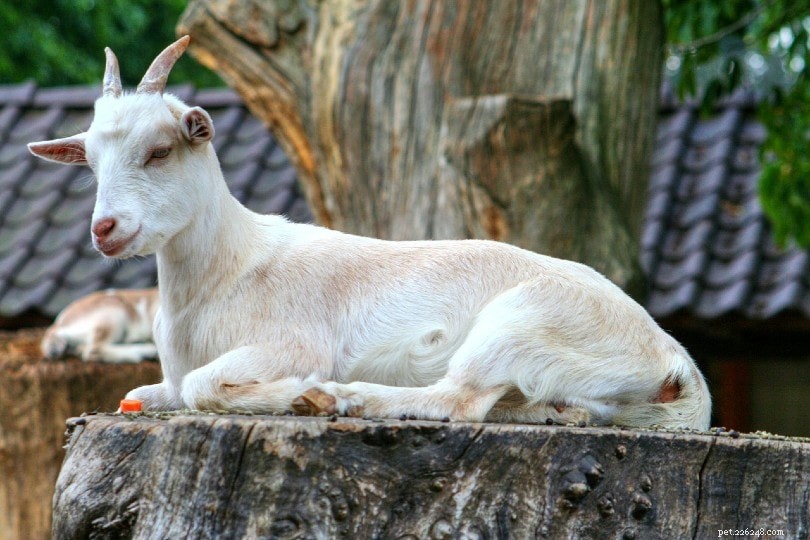
Recognizing when your goat is in heat will help you when you decide to breed them. Your female goat (doe)’s heat cycle is short and there’s only a brief period when she’s willing to let a buck mount her. Noticing the signs will help ensure that you don’t miss the chance.
We put together this guide to help teach you how often goats go into heat — whether they’re seasonal or year-round breeders — and the common signs to look for to make sure the breeding season is successful.
How Often Do Goats Go Into Heat?
Many goats are seasonal breeders, which means they only go into heat during one part of the year, usually from September to February. Does will have several heat cycles during this period that occur every 18–22 days.
Your doe will only be in heat for 48–72 hours, however, and there’s an even shorter amount of time when she’ll be willing to let a buck mount her.
10 Signs Your Goat Is in Heat
Not all goats exhibit all these signs when they’re in heat; some only show a few, while others show many. If you’re not sure your goat is in heat but they’re showing signs of strange behavior, make a note on your calendar. In 18–22 days, if the behavior repeats, your goat is likely to be in her estrus period and ready for breeding. Here are the signs to look for.
1. Behavior Change
Knowing when your goat is in heat depends on how well you know your doe. Since goats are individuals with rambunctious personalities, heat can affect them in numerous different ways.
Behavior changes are the most obvious. Your doe might be grouchier than usual or friendly when they’re usually aloof. They might even act more buck-like themselves and mount the other female goats that they’re penned with, especially if there isn’t a buck nearby.
2. Excessive Tail Wagging
Goats wag their tails frequently while they’re eating or playing around. Does in heat will take this to the extreme, which is known as “flagging.”
This is a sign that will persist through a goat’s entire estrus cycle and doesn’t necessarily mean she’s reached her standing heat phase.
3. Non-stop Talking
Depending on how loud your goat is most of the time, this sign can be more obvious for some goats than others. When your goat is in heat, she may demonstrate an unusual desire to talk. While some goats don’t make much noise when they’re in heat, others use their vocals to express their interest to any nearby bucks.
4. Vaginal Discharge
This is one of the more obvious signs, particularly when the discharge makes your goat’s tail look wet or dirty. It’s also a good way of judging how far along your goat’s estrus cycle is. At the start of the 48 hours, their vaginal discharge will be clear and sticky, and it will turn a milky white toward the end.
5. Swollen Vulva
For some goats in heat, another obvious sign is that their vulva swells. It’ll also be slightly red in appearance. Paying attention to your goat’s appearance throughout the year will help you notice this change more easily.
- Understanding Goat Affection: 7 Key Behaviors That Show Love to Humans and Fellow Goats
- How to Spot Happiness in Your Rabbit: 5 Clear Indicators
- 8 Clear Signs Your Pet Turtle Has Passed Away
- How to Spot a Happy Pet Rat: 11 Clear Signs Your Rat Loves You
- Recognizing a Happy Snake: 5 Key Signs Every Owner Should Know
- Spotting Joy in Your Bearded Dragon: 10 Key Signs of a Content Reptile
- 3 Clear Signs Your Betta Fish Is Truly Happy